
Watching your backyard bloom is very joyful for gardeners. But, keeping that beauty needs careful watching and some knowledge. Learning how to prevent fungal diseases in flowers helps keep your garden lush all season.
Consistent observation is your best defense. Catching early signs of trouble helps keep your plants safe. Starting these habits now helps your plants stay healthy and strong.
Understanding the Causes of Fungal Growth
Your flowers face invisible threats every day. These threats can harm their health and beauty. Often, the blame falls on pests, but fungal growth causes come from the environment you give your plants.
The Role of Humidity and Moisture
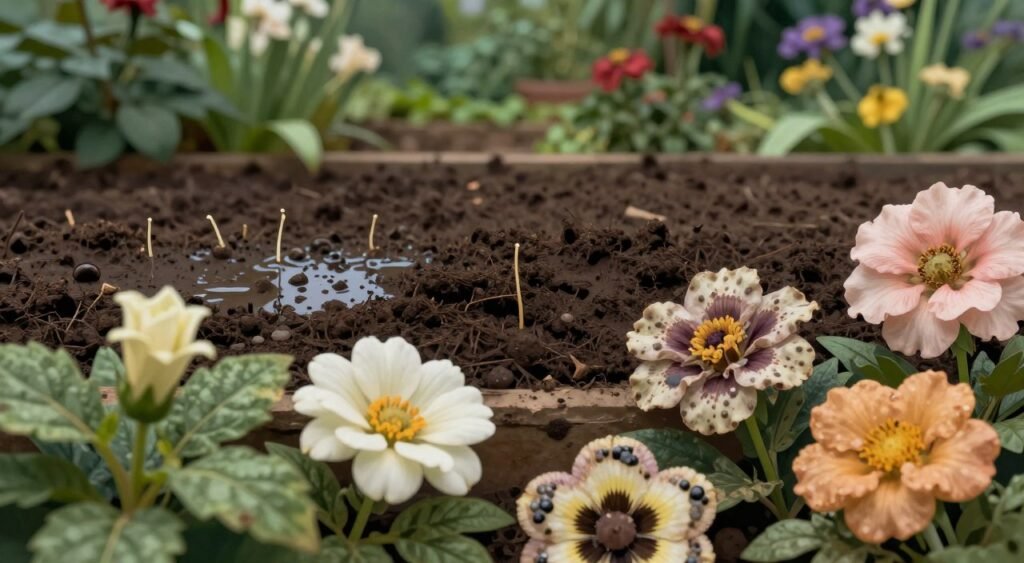
Too much moisture is a big problem for plants. Water on leaves for too long invites mold and mildew. Keeping your garden well-ventilated helps stop these harmful pathogens.
Make sure your garden beds get air to dry leaves fast after rain or watering. High humidity traps moisture, weakening plant defenses. Moving air helps keep a healthy balance.
How Spores Spread in Your Garden
Fungal spores are tiny and spread easily through air, water, and tools. To stop fungal spore prevention, reduce these paths. Catching an infected leaf early stops spores from spreading.
«A healthy garden is not one without pathogens, but one where the gardener understands how to manage the environment to keep those pathogens in check.»
Identifying Environmental Stressors
Stressed plants are more likely to get sick. Lack of nutrients or too much shade weakens them. Spotting these fungal growth causes early helps prevent big problems.
| Environmental Factor | Impact on Plants | Risk Level |
|---|---|---|
| High Humidity | Promotes spore germination | High |
| Poor Airflow | Traps moisture on leaves | Medium |
| Overcrowding | Limits light and circulation | High |
| Wet Foliage | Encourages fungal entry | High |
By controlling humidity and preventing spores, you make your garden strong. Your watchfulness is key to a vibrant, disease-free garden all season.
Essential Strategies for How to Prevent Fungal Diseases in Flowers
Learning how to prevent fungal diseases in flowers helps your garden stay healthy all season. By being proactive, you can stop diseases from spreading. A little preparation keeps your flowers looking great.
Step 1: Assessing Your Garden Site
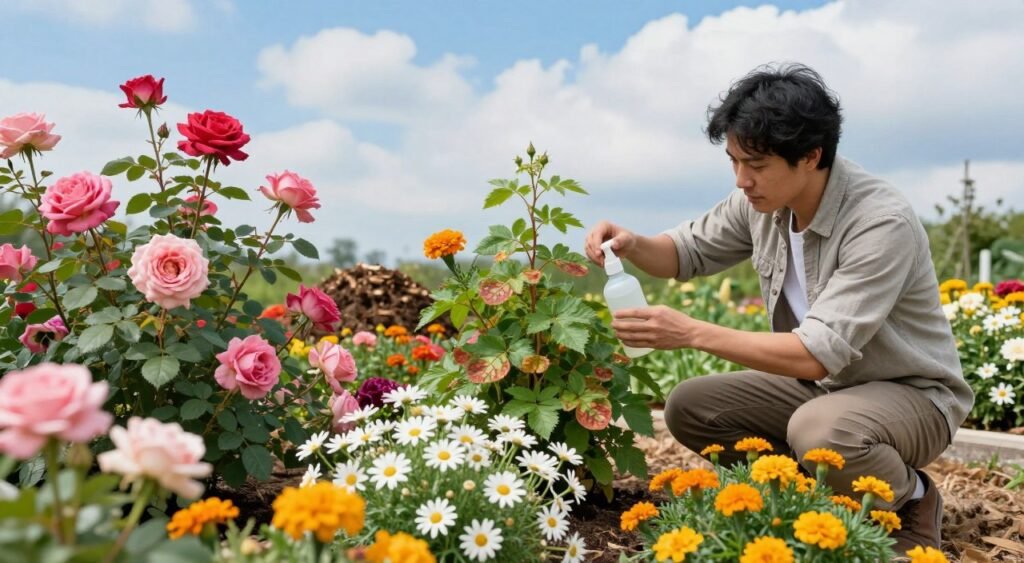
Look at your garden before planting. Fungi like damp, still places. So, pick spots with good airflow and lots of sun.
Make sure your spot gets at least six hours of sun a day. Sun helps dry leaves and stops spores from growing. Choosing the right spot is key to a healthy garden.
Step 2: Implementing a Consistent Maintenance Schedule
Being consistent is important for a strong garden. Set aside time each week to check your plants. This helps catch problems early.
Also, watch how much you water. Too much water makes a humid place that fungi love. Sticking to a routine keeps your plants happy.
Step 3: Practicing Good Garden Hygiene
Keeping your garden clean is crucial. Remove dead leaves and old flowers right away. These can carry spores that harm your plants.
Also, clean your tools with bleach after each use. This stops fungi from spreading. By doing these things, you’ll keep your garden healthy and beautiful.
Selecting Disease-Resistant Plant Varieties
Starting a strong garden begins before you start digging. Choosing plant disease resistance early saves you time later. This makes your garden grow well and stay healthy.
Why Genetic Resistance Matters
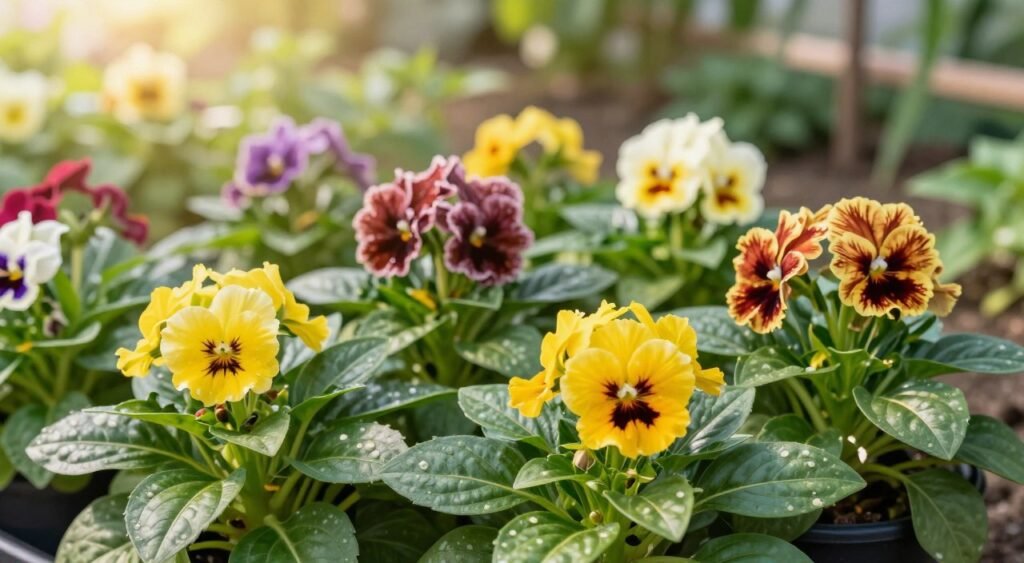
Plants with special traits often fight off diseases well. Picking varieties with plant disease resistance gives your garden a shield. This helps your plants stay healthy, even when it’s wet or humid.
- Less need for chemicals.
- Stronger growth in wet weather.
- Less chance of losing all your plants to disease.
Reading Plant Labels for Disease Tolerance
At the nursery, check the plant tags closely. Many plants have labels about their disease resistance. Knowing this helps your garden do well for a long time.
If a label says «high resistance» or «tolerant,» it means the plant fights off diseases well. Ask the nursery staff if you’re unsure. Choosing these plants keeps your garden bright all year.
Choosing Native Plants for Your Region
Native plants have grown well in your area for a long time. They are better at fighting off diseases than plants from other places. Using local plants helps keep pests away.
Native plants support local bees and need less care. They handle your area’s weather well. A garden with native plants is easier to care for and better for the planet.
Mastering Proper Watering Techniques
Proper watering is key to fighting off common fungal problems. When you water flowers right, you make it hard for bad stuff to grow. It’s not just about how much water, but when and how you water.
The Importance of Watering at the Base
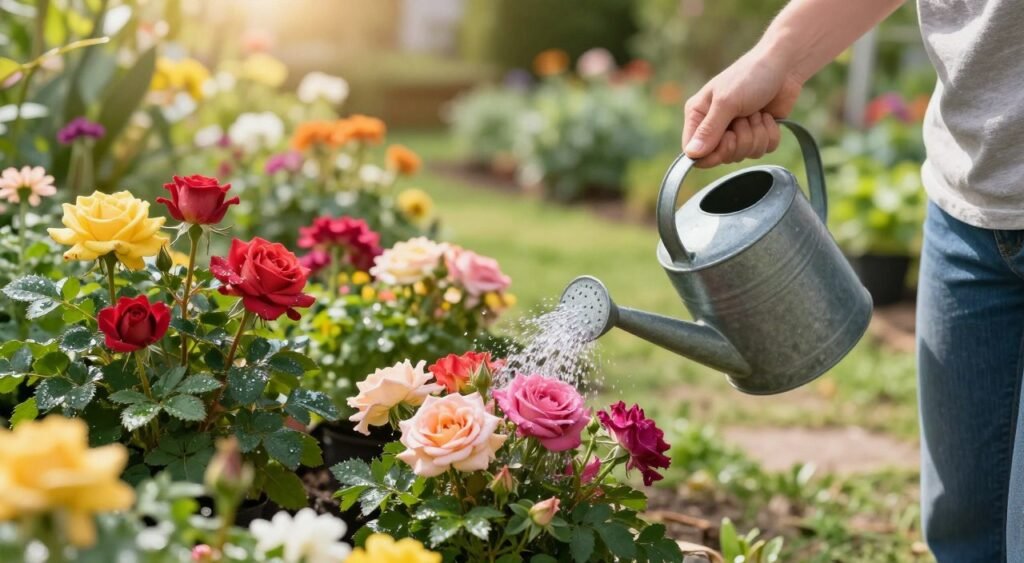
Water your plants at the soil surface, near the roots. This keeps the leaves dry, stopping fungal spores from growing. Direct root-zone hydration gives your plants the water they need without inviting mildew.
Avoiding Overhead Irrigation
Don’t water from above. It’s a big mistake. Spraying water on leaves and stems creates a perfect spot for mold to grow. This can spread fast across your garden.
Timing Your Watering for Maximum Evaporation
Water your plants in the morning. This lets the sun dry any water on leaves before it gets hot. Evening watering is bad because water stays on plants all night, helping fungi grow.
«Healthy soil is the foundation of a resilient garden, and how you manage moisture determines the long-term success of your floral displays.»
Managing Soil Drainage to Prevent Root Rot
Even with good watering, bad soil can cause problems. Make sure your garden drains well to prevent root rot. Adding compost helps soil breathe and water drains better, keeping roots safe.
| Technique | Benefit | Risk Factor |
|---|---|---|
| Base Watering | Keeps foliage dry | Low fungal risk |
| Morning Watering | Fast evaporation | Minimal mold growth |
| Good Drainage | Prevents root rot | Stronger root health |
Optimizing Air Circulation and Spacing
Creating the right environment for your flowers starts with space and airflow. Good garden air circulation helps dry out dew and rain fast. This stops fungi from harming your flowers and leaves.
When plants are too close, moisture gets trapped. This is a bad place for disease to grow.
Calculating Proper Plant Spacing
Using a plant spacing guide keeps your garden healthy. Check the plant tags for specific needs. Different plants need different spaces for growth.
Enough space lets wind move between stems. This keeps leaves dry and strong.
| Plant Type | Minimum Spacing | Airflow Benefit |
|---|---|---|
| Small Annuals | 6-8 inches | Prevents leaf rot |
| Perennial Flowers | 12-18 inches | Reduces mildew risk |
| Large Shrubs | 3-5 feet | Promotes deep drying |
Pruning for Better Airflow
Plants grow and change over time. Strategic pruning helps keep air flowing. Remove dead or crossing branches to let light and air in.
This stops fungal issues in their tracks.
Managing Overcrowded Flower Beds
If your flower beds are too crowded, thin them out. Overcrowding hurts garden air circulation and stresses plants. Divide perennials or move smaller flowers to new spots.
Doing this early in the season makes your garden vibrant and disease-free. It will thrive all year.
Maintaining Soil Health and Sanitation
A clean garden is key to a beautiful landscape. By following garden sanitation tips, your flowers can grow well. They won’t be bothered by fungal diseases.
The Benefits of Mulching Correctly
Mulch protects your garden beds. It keeps soil and leaves apart.
This helps stop spores from getting on leaves. Keeping plants dry and clean is important for their health.
Removing Infected Plant Debris
Fungal spores hide in old leaves and stems. If you don’t remove them, disease can come back.
«The health of your garden is a direct reflection of the care you take in removing what no longer serves the plant.»
Always remove yellow or spotted leaves right away. This stops disease from spreading to other plants.
Sterilizing Your Gardening Tools
Your tools can carry disease. Sterilizing gardening tools is crucial to keep your garden safe.
When you move between plants, you might spread spores. Clean your tools quickly to keep them safe.
Best Practices for Tool Maintenance
To keep your tools in good shape, follow these steps:
- Wipe blades with a solution of one part bleach to nine parts water.
- Dry your tools well after cleaning to prevent rust.
- Sharpen your blades often for clean cuts that heal fast.
Looking after your tools well is a great garden sanitation tip. When you sterilize gardening tools, you protect your flowers from disease.
Natural and Chemical Preventative Treatments
Keeping your flowers safe from fungus might need special help. Sometimes, your garden needs more than just good care. Knowing how to use organic fungicide helps keep your flowers safe without harming the environment.
Using Organic Fungicides
Organic fungicides are a good choice for gardeners. They use minerals like sulfur or copper to stop fungus. This way, you avoid harming your plants with harsh chemicals.
Using these products regularly is key. Apply them before you see any disease. Always check the label to make sure it’s right for your flowers.
Applying Neem Oil Safely
Neem oil fights fungus and some bugs. Use it when it’s cool, like in the morning or evening. This keeps your plants safe and doesn’t hurt bees.
Follow the instructions to mix the right amount of neem oil. Spray all parts of the leaves well. Light, regular sprays work better than one big spray.
When to Use Synthetic Fungicides
Use strong chemicals only when disease spreads fast. They work deep inside the plant to stop fungus. This is for when your plants are really sick.
Safety Precautions for Chemical Application
When using strong chemicals, safety comes first. Wear gloves, long sleeves, and eye protection. Don’t spray on windy days to avoid spreading it too far.
Store chemicals safely to protect your family. Keep them in a cool, dry place where kids and pets can’t get to. This way, you can fight disease safely.
| Treatment Type | Best For | Frequency | Environmental Impact |
|---|---|---|---|
| Organic Fungicide Use | Prevention | Weekly | Low |
| Neem Oil | Mild Infestations | Bi-weekly | Minimal |
| Synthetic Fungicides | Severe Outbreaks | As Needed | Moderate |
Monitoring Your Garden for Early Warning Signs
Watching your garden closely is key for every gardener. By doing garden pest and disease monitoring weekly, you can spot problems early. Just a few minutes of checking your garden can save a whole season.
Recognizing Powdery Mildew
Powdery mildew is a common problem. Look for a white, dusty look on leaves and stems. It can make leaves curl or turn yellow.
Spotting Leaf Spot and Rust
Other fungal threats show up as spots on leaves. Leaf spot has dark circles with lighter centers. Rust looks like bright orange or reddish-brown pustules on the undersides of leaves. If you see these, check other plants fast, as these diseases spread quickly.
Taking Immediate Action Upon Detection
Act quickly when you see a problem. Start by isolating the affected plant to stop the fungus. Use sterilized shears to cut off the infected parts. Don’t put the cut parts in your compost.
After removing the infected parts, use an organic fungicide to stop the spread. Regular garden pest and disease monitoring helps you stay ahead. Remember, your quick response is the best medicine for keeping your flowers healthy and vibrant all year long.
Conclusion
Your journey to a thriving landscape starts with daily habits. By following these steps, you keep your flowers healthy and vibrant all season.
Being consistent with watering, pruning, and watching your plants is key. Small changes in your routine help your plants grow strong.
Tools from brands like Fiskars and Bonide are essential. They help you fight off problems before they harm your garden.
This guide gives you the power to keep your garden healthy. You can create a beautiful space that makes you happy. Share your garden’s progress and photos with our community.