
Do you dream of a backyard filled with vibrant garden blooms that capture everyone’s attention? You don’t need harsh chemicals or expensive synthetic fertilizers. By focusing on your plants’ basic needs, you can create a lush, colorful landscape.
Learning how to improve flower blooming naturally starts with knowing your plants. Give them the right sunlight, water, and organic nutrients. Your greenery will show off with stunning results.
These simple, eco-friendly changes will help your garden reach its full potential. A healthy ecosystem is the secret to every successful, eye-catching display.
Understanding the Science of Natural Blooming
Every vibrant petal in your garden has a story. It’s about chemical reactions and energy changes. Your plants are not just decorations; they are active biological systems that react to their world. By understanding how they work, you can help them bloom better.
The Role of Photosynthesis in Flower Production
Photosynthesis is key to every bloom. It’s how plants use sunlight to make essential energy for growth. Without this energy, plants can’t make flowers.
When plants get enough light, they make lots of glucose. This sugar is the base for stems, leaves, and flowers. Optimizing light exposure helps plants use energy to bloom fully.
How Hormones Influence Bud Development
Plants also have an internal network for talking to each other. Hormones like auxins and gibberellins send signals for bud growth. These signals come from changes in temperature and daylight.
Think of these hormones as the master switches of your garden. When the right balance is reached, plants focus on making flowers. Healthy soil and the right environment help plants send these signals well. This leads to more prolific and healthy flowers all season.
Assessing Your Garden Soil Health
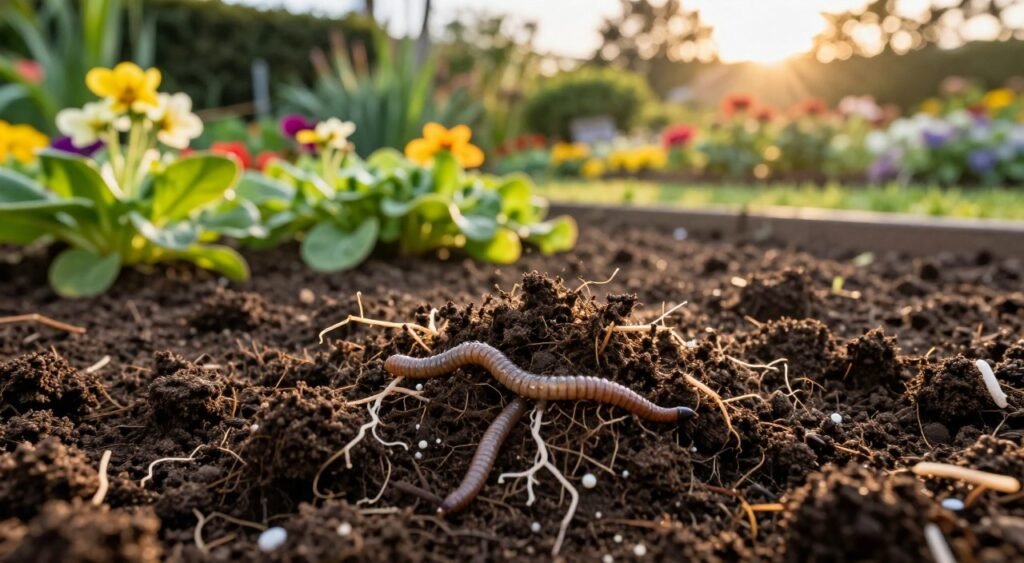
Your garden’s health starts deep down. Healthy garden soil health is key for your plants. It gives them life. Checking your soil helps your plants grow well.
Testing Your Soil pH and Nutrient Levels
First, test your soil’s pH. Most plants like a slightly acidic to neutral soil. You can buy a kit or a digital meter for this.
Knowing your soil’s pH helps you choose the right care for your plants. Testing often helps avoid too much fertilizer. This saves time and money and keeps your plants healthy.
Amending Soil with Organic Compost and Humus
Improving your soil is rewarding. Use natural materials like compost. It makes your soil better for plants.
Compost makes your soil hold water but also drains well. This is good for your plants’ roots.
Benefits of Adding Leaf Mold
Leaf mold is great for your soil. It holds water well, which is good in summer. It also helps worms and microbes in your garden.
Using Aged Manure Safely
If you use manure, make sure it’s aged. Fresh manure can harm plants. Aged manure gives plants a slow release of nutrients.
How to Improve Flower Blooming Naturally Through Organic Fertilization
Want to make your flowers bloom more? Start with your garden soil and organic stuff. Good organic food is key for lots of flowers. It makes your garden healthy without harsh chemicals.
Choosing the Right Organic Nutrients
Find the best organic fertilizer for flowers. Look for stuff that feeds the soil. Organic stuff gives nutrients slowly. This makes your plants strong and pretty.
Applying Bone Meal for Phosphorus Boosts
Want more flowers? Focus on phosphorus for flowers. Bone meal is great for this. It helps perennials and bulbs grow strong.
«The soil is the great connector of lives, the source and destination of all.»
Utilizing Liquid Seaweed and Fish Emulsion
Need a quick flower boost? Use liquid seaweed and fish emulsion. They give plants quick nutrients. This helps them grow fast.
Frequency of Application for Best Results
Use organic fertilizers often for best results. Put down granular stuff like bone meal early. Use liquid stuff every two weeks when plants are growing fast. Don’t overdo it to avoid too much leaf growth.
Mastering Proper Watering Techniques for Maximum Blooms
Watering your garden is more than just a simple task. It’s a science that affects how well your flowers bloom. Using the best watering practices for gardens keeps your flowers happy and healthy. This way, your garden will look its best.
The Dangers of Overwatering and Root Rot
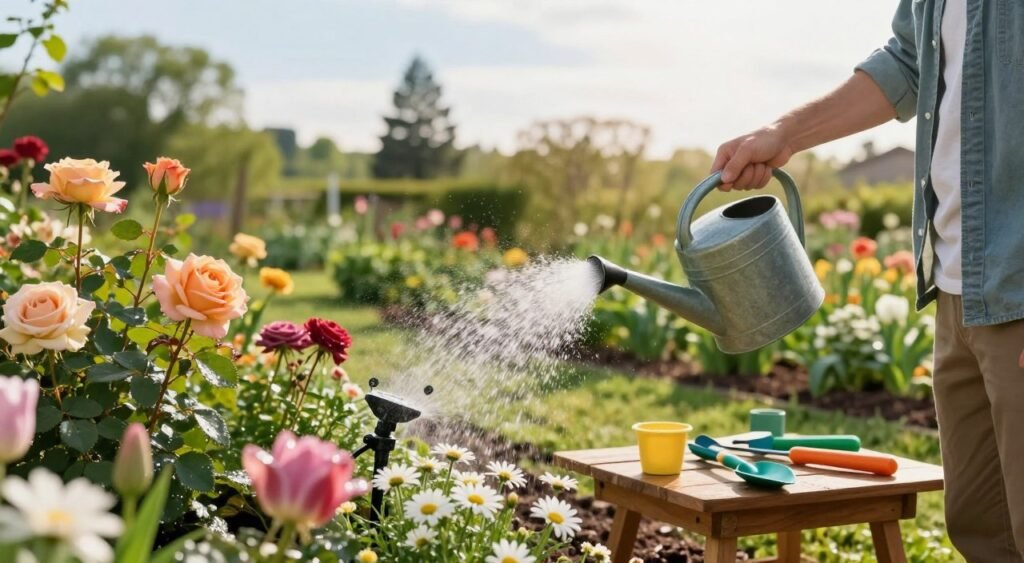
Many gardeners think more water is always better. But, too much water can harm your plants. When the soil is always wet, it stops oxygen from getting to the roots. This can cause root rot.
Root rot makes plants look sick, even when the soil is wet. Check the soil before watering. If it’s damp, wait a bit longer before watering again.
Deep Watering vs. Shallow Sprinkling
How you water affects your flowers a lot. Shallow sprinkling only moistens the surface. This makes roots weak and vulnerable to heat. On the other hand, deep watering makes roots grow deep and strong.
Deep watering makes sure water reaches all roots. This is a key best watering practice for gardens. It means you water less often but your plants grow better.
| Watering Method | Root Development | Frequency | Bloom Impact |
|---|---|---|---|
| Shallow Sprinkling | Weak/Surface | Daily | Low/Stressed |
| Deep Watering | Strong/Deep | Weekly | High/Vibrant |
| Drip Irrigation | Consistent | Automated | Maximum |
Using Mulch to Retain Soil Moisture
Adding organic mulch is a big help. It keeps the soil moist. Mulch also protects the soil from the sun, stopping water from evaporating fast. This makes your garden cooler and needs less watering.
- Use wood chips or straw to suppress weeds and hold water.
- Apply a 2-3 inch layer around the base of your flowers.
- Ensure the mulch does not touch the plant stems directly to prevent rot.
By using deep watering and mulch, your garden will thrive. These steps will make your garden lush and colorful all season.
The Importance of Sunlight and Strategic Placement
Light is key for your plants to grow well. It gives them the energy to make food and flowers. Knowing the sunlight requirements for plants helps them bloom fully.
Identifying Full Sun vs. Partial Shade Requirements
Watch how light changes in your yard. Most flowers need the right amount of sun. Full sun means six to eight hours of direct light. Partial shade is good for hot afternoons.
Check your garden’s light zones in the morning, noon, and afternoon. This helps avoid putting sun-loving flowers in dark spots.
Moving Potted Plants to Optimize Light Exposure
Container gardening lets you change your plants’ spots. If a potted flower looks weak or doesn’t bloom, it might need more sun. Just move your pots to a sunnier spot.
Rotate your containers every few days. This keeps them growing evenly and blooming well.
Reflecting Light in Shady Garden Corners
Even without direct sun, you can brighten up your yard. Use light-colored stones, white trellises, or mirrors to reflect light. This makes dark spots brighter.
These tricks help your plants get more light. They make your garden lush and full of flowers, even in shady spots.
Pruning and Deadheading for Continuous Growth
You can make your garden always look beautiful with a few easy steps. Sunlight and water are key, but you need to help your plants grow. By taking care of your plants, your garden will stay alive and thriving all season.
The Art of Deadheading Spent Blooms
Keeping your garden fresh is easy with deadheading flowers. When a flower fades, it starts making seeds. By cutting off these old flowers, you make the plant think it’s still growing.
This simple trick makes your plants bloom longer. It’s a small step that makes a big difference in your garden’s look. You’ll see truly spectacular results from this effort.
When and How to Prune Perennials
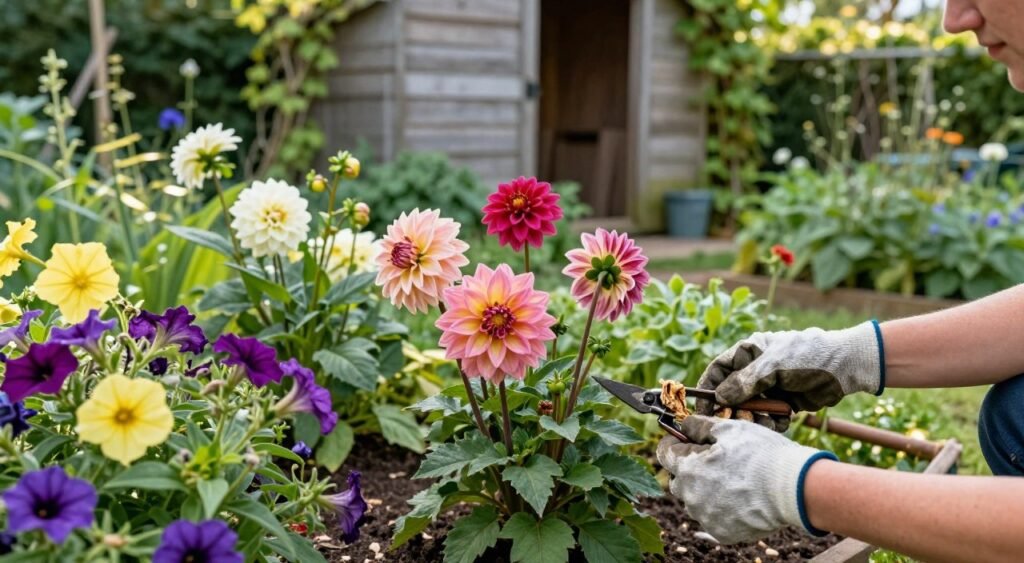
It’s important to prune perennials right. Prune most plants after they stop blooming. This lets them rest before growing again.
Tools You Need for Clean Cuts
Using the right tools is key to keeping plants healthy. Make sure your shears are sharp and clean before you start. A clean cut heals faster and keeps plants safe from disease.
| Task | Best Time | Primary Benefit |
|---|---|---|
| Deadheading | As blooms fade | Prolongs flowering |
| Light Pruning | Mid-season | Encourages shape |
| Hard Pruning | Late winter/early spring | Rejuvenates growth |
Encouraging Lateral Branching for More Flowers
Trimming your plants can make them fuller and more flower-filled. By cutting off the top of stems, you help them grow sideways. This makes your plants bushier and more colorful.
By pruning perennials this way, you make your garden stronger. Your plants will be dense and healthy, showing off color all the time. With a little care, your garden will look fuller and more professional.
Managing Pests and Diseases Without Synthetic Chemicals
Keeping your flowers safe from bugs is easy with nature’s help. Natural pest control makes your garden safe for plants and the environment. You don’t need harsh chemicals for a colorful garden.
Identifying Common Garden Pests
First, know what’s eating your flowers. Look at leaves and stems for trouble signs. Aphids are tiny, soft insects on new growth.
Spider mites cause yellow leaves and fine webbing. Catching them early stops big problems.
Natural Remedies for Aphids and Mites
Spotting pests means using organic solutions. Insecticidal soap washes away aphids safely. Mix neem oil with water for a barrier.
Apply these treatments when it’s cool. Test on a small area first. Use them every few days until pests are gone.
Promoting Beneficial Garden Insects to Protect Your Flowers
Invite beneficial garden insects to fight pests. They protect your flowers. Avoiding synthetic pesticides keeps them around.
Attracting Ladybugs and Lacewings
Plant nectar-rich flowers to attract ladybugs and lacewings. They love dill, fennel, and yarrow. A diverse garden keeps them coming back.
| Pest Type | Primary Damage | Natural Solution |
|---|---|---|
| Aphids | Stunted growth | Insecticidal soap |
| Spider Mites | Leaf stippling | Neem oil spray |
| Whiteflies | Yellowing leaves | Beneficial insects |
Supporting natural balance protects your flowers and pollinators. Your garden will bloom stronger and more vibrant all season.
Selecting the Right Plant Varieties for Your Climate
Choosing plants that love your local weather is key to a great garden. When you pick plants that fit your area, you spend less time fixing problems. You get to enjoy your garden more.
Understanding Your USDA Hardiness Zone
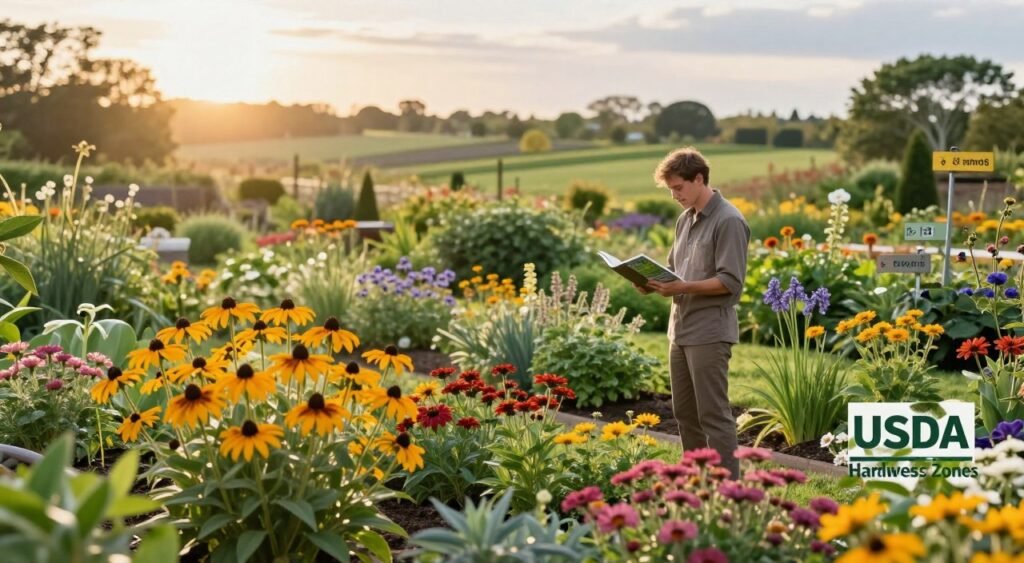
The first thing to do is find out your USDA hardiness zone. This zone shows the coldest winter temperature in your area. Knowing your zone helps pick plants that can handle the cold.
Remember, zones are just a guide. Things like wind and soil can also affect how well a plant does.
Choosing Native Plants for Better Resilience
Using native plant gardening is smart for your garden. These plants have grown in your area for thousands of years. They know how to deal with local weather and pests.
«The best gardens are those that work in harmony with the local ecosystem, requiring less intervention and providing more beauty.»
Native plants need less water and food, making them good for the planet. They’re an eco-friendly choice for gardeners.
The Benefits of Heirloom Flower Varieties
Heirloom flower varieties add special charm to your garden. These plants have been loved for generations. They’re known for their superior fragrance and history.
Heirlooms connect us to the past and add beauty to our gardens. Growing them helps keep plant diversity alive. It also brings a sense of history to your outdoor space.
- Resilience: Native plants withstand local weather extremes.
- Fragrance: Heirlooms often outperform modern hybrids in scent.
- Efficiency: Climate-matched plants require fewer chemical inputs.
Seasonal Maintenance Tips for Year-Round Color
Keeping your garden colorful all year needs regular care. Learn how to take care of your flower garden well. This way, your garden stays beautiful no matter the weather.
Preparing Your Garden for Spring Growth
When the frost melts, your garden comes back to life. It’s time to get rid of dead leaves and old stuff. This helps your plants grow without getting sick.
Start by loosening the top soil. Then, add compost to feed your plants. Getting ready is key for a great growing season.
Summer Care to Prevent Heat Stress
Hot weather can make plants weak. It’s important to keep them cool and wet. Water them deeply in the morning to keep the soil moist.
«The glory of gardening: hands in the dirt, head in the sun, heart with nature. To nurture a garden is to feed not just the body, but the soul.»
Use mulch to keep the sun off your plants. It keeps the soil cool and wet. If plants look wilted, give them shade to rest.
Fall Cleanup and Winter Protection Strategies
In autumn, get your garden ready for winter. Cut back old plants to help them grow strong. This also keeps pests away.
To keep plants safe in winter, try these:
- Put straw or pine needles on the soil to keep it warm.
- Wrap shrubs in burlap to protect them from wind.
- Water your garden well before it gets really cold.
These steps help your garden survive winter. When spring comes, your garden will bloom again.
Conclusion
Your journey to a lush landscape starts with small, intentional changes. By using these sustainable gardening tips, you make a space where nature grows well. This is all without using harsh chemicals.
You can turn your outdoor space into a sanctuary with vibrant garden blooms. Every step you take helps your plants grow stronger. This is because of better soil health and careful watering.
See how your flowers change with the seasons. Your hard work keeps your yard healthy and strong for years. This is thanks to organic care.
Begin using these tips today for a more beautiful garden. Seeing your hard work pay off with vibrant blooms is very satisfying. These tips are a clear guide for anyone who loves plants.