
Do you dream of a vibrant backyard all year? Creating a beautiful garden needs more than luck. It takes knowing the flower gardening basics.
Whether you’re new or experienced, learning these basics is key. It helps you create a lush, healthy space right outside your door.
This guide covers how to care for your plants all year. We share practical, easy-to-follow advice. This advice lets you care for your plants with confidence and joy.
By following our tips, you’ll learn to adjust your care for different climates and plants. You’ll make your garden a stunning, year-round masterpiece.
You deserve a peaceful and happy outdoor space. Let’s look at the simple steps to make your garden beautiful all year.
Understanding the Seasonal Needs of Your Garden
Knowing your garden’s rhythm is key to keeping it lively and healthy all year. By understanding how plants react to their environment, you can make your garden a lush haven. Good garden maintenance means knowing what your flowers need before they get stressed.
Recognizing the Growth Cycles of Perennials and Annuals
To get the hang of flower gardening basics, you need to know the difference between perennials and annuals. Perennials are like the steady friends of your garden, coming back every year. They need care during their quiet times so they can shine when it’s warm.
Annuals, on the other hand, live fast and die young, blooming all season until the cold comes. With the right annual flower tips, like regular trimming, they’ll stay colorful from spring to fall.
How Local Climate Zones Influence Your Care Schedule
Your location greatly affects when to plant, prune, or feed your garden. The USDA Plant Hardiness Zone map is your go-to for knowing which plants will do well where you live. Timing is everything in gardening.
In cold places, your perennial care will differ from someone in a warm spot. Always check your frost dates to apply your annual flower tips perfectly. Matching your garden maintenance to your local climate will make your garden the most beautiful it can be.
Essential flower care tips for every season: Spring Awakening
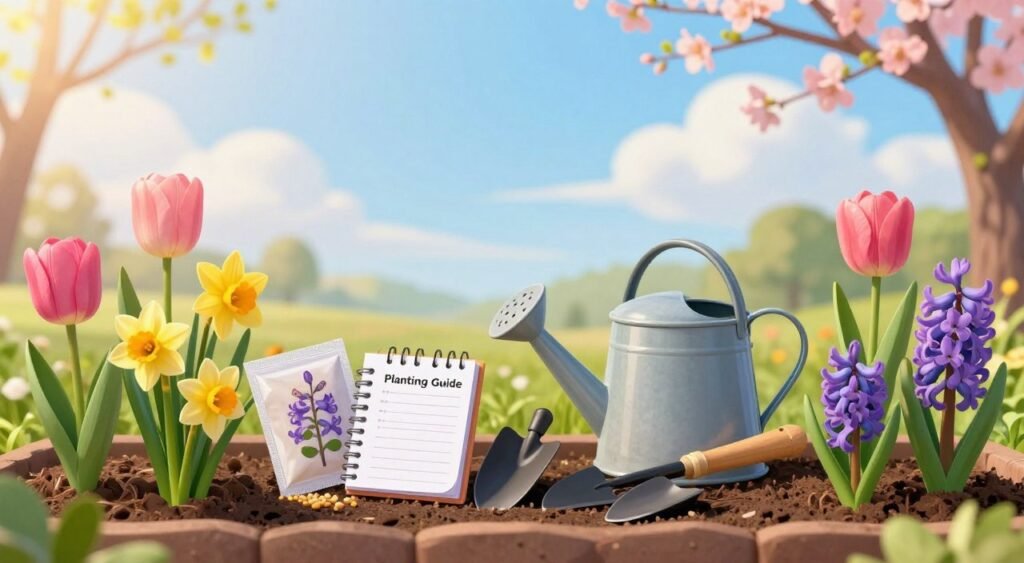
As the frost melts away, your garden calls for a fresh start. This seasonal planting guide helps you transition from winter to a vibrant, blooming landscape. By taking action now, you set the stage for a healthy and productive growing year.
Preparing Your Soil for New Plantings
Healthy soil is key for a successful garden. Before planting, make sure the soil is rich in nutrients and well-aerated. Adding organic compost or aged manure helps a lot.
Test your soil pH early to see if it needs lime or sulfur. Proper preparation helps roots grow fast, giving your plants a good start.
Dividing Perennials and Clearing Winter Debris
Spring is the best time for perennial care. It’s when you should divide overcrowded plants. This encourages them to grow strong and healthy.
While dividing, also clear away dead leaves and broken stems. This keeps your garden clean and prevents pests and diseases.
Selecting the Right Fertilizers for Early Growth
Choosing the right nutrients is key for your garden’s growth. Young plants need a balanced, slow-release fertilizer. This supports steady growth.
Don’t over-fertilize, as it can harm your plants. Always follow the package instructions. Light, consistent feeding helps your flowers grow well.
| Task | Frequency | Primary Benefit |
|---|---|---|
| Soil Amendment | Once per season | Improves nutrient density |
| Perennial Division | Every 3-4 years | Prevents overcrowding |
| Debris Removal | Weekly in spring | Reduces pest habitats |
| Early Fertilization | Once at planting | Boosts root development |
Summer Maintenance for Vibrant Blooms
Keeping your garden lush in the summer is rewarding. Garden maintenance helps protect your plants from heat. It keeps your outdoor space healthy all season.
Optimizing Watering Schedules During Heatwaves
High temperatures can dehydrate plants fast. Water them early in the morning. This lets the soil absorb water before it gets hot.
Don’t water plants in the middle of the day. Water droplets on leaves can make them hotter. Water at the base to keep roots hydrated. Consistency is truly the key to keeping plants healthy.
Applying Mulch to Retain Moisture and Suppress Weeds
Organic mulch is great for your garden. A two-to-three-inch layer keeps soil cool and moist. It also stops weeds from growing.
Mulch blocks sunlight from weeds, saving you time. Your plants will grow better in a stable environment.
Managing Sunlight Exposure for Shade-Loving Varieties
Not all plants like direct sunlight. If your shade plants get scorched, they need shade. Use shade cloth or tall plants to cover them.
Watch your garden for too much sun. Move plants to cooler spots. Protecting your plants keeps them colorful all season.
Autumn Preparation for Dormancy
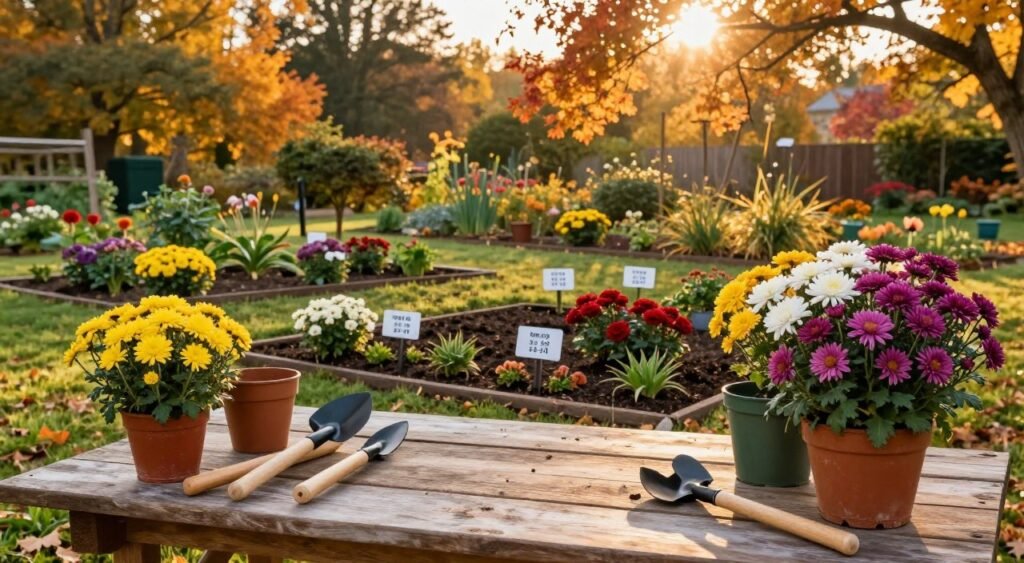
Autumn brings golden hues to your garden. It’s a time for plants to rest. This plant dormancy helps them save energy for next year.
By taking steps now, your garden stays healthy. It will bloom beautifully in the spring.
Planting Spring-Flowering Bulbs Before the First Frost
Autumn is the best time for seasonal planting guide bulbs. Tulips, daffodils, and crocuses need cold to grow. Plant them when the soil is cool but still workable.
«To plant a garden is to believe in tomorrow.»
Cleaning Up Spent Foliage to Prevent Disease
As it gets colder, flower bed maintenance is key. Remove dead leaves to stop pests and diseases. This keeps your garden clean and healthy.
Protecting Tender Plants from Early Cold Snaps
Cold snaps can surprise gardeners. Watch the weather for frost. Here’s how to protect your plants:
- Cover plants with burlap or frost cloths at night.
- Use mulch to keep roots warm.
- Move plants to a garage or porch.
Good flower bed maintenance makes your garden ready for spring. Follow this seasonal planting guide to keep your garden thriving.
Winter Protection Strategies
Winter is a time to protect your garden and get ready for new growth. As it gets colder, your plants go into plant dormancy. This is important for their health.
Insulating Root Systems with Organic Materials
The soil keeps your plants warm, but sometimes it needs extra help. Use organic mulch like shredded bark or straw around your plants. This essential insulation keeps the soil from freezing.
Monitoring Indoor Potted Flowers and Houseplants
While your outdoor plants rest, watch your indoor plants closely. Dry air from heaters can harm them. Check your houseplants weekly to keep them healthy.
Planning Your Garden Layout for the Upcoming Year
Winter is a great time to plan your garden layout. Use a notebook or digital tools to plan where to put new plants. This helps you be ready for spring.
Planning your garden layout now saves you work later. You’ll be ready to start planting when it’s warmer.
Mastering Soil Health and Fertilization
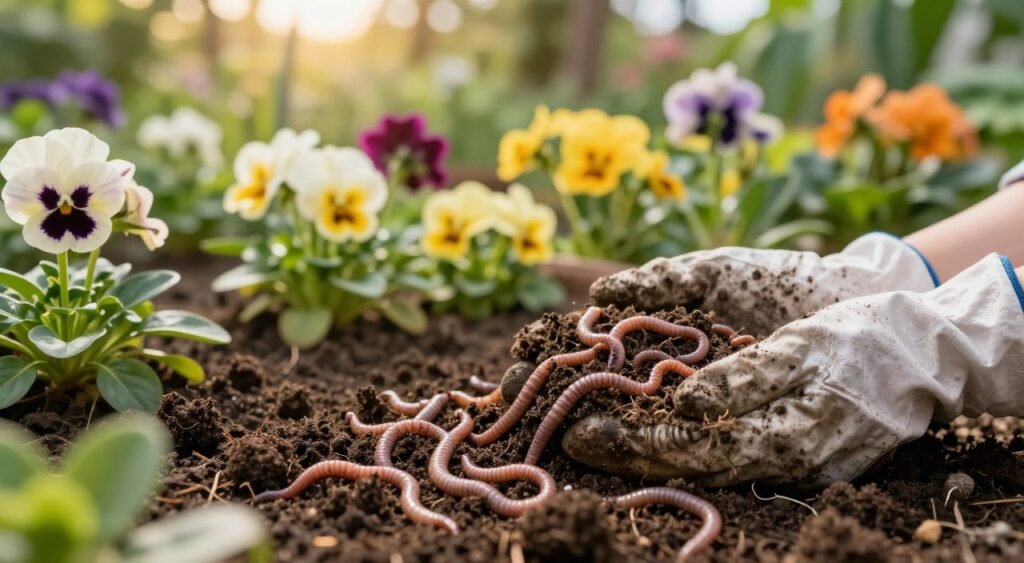
Building a thriving landscape starts with understanding your garden soil. Soil health is key for every flower bed. It helps plants grow well. Good soil makes your garden strong and healthy.
Testing Your Soil pH for Optimal Nutrient Absorption
Before adding anything, test your soil pH. This tells you if your plants can get the nutrients they need. If it’s off, plants may not grow well, even with lots of minerals.
You can buy a home testing kit at a garden center. Aim for a neutral pH for most plants to bloom well. Regular testing helps you know what your garden needs.
Choosing Between Organic Compost and Synthetic Fertilizers
Choosing between organic gardening and synthetic fertilizers is a big decision. Organic compost makes soil better over time. It feeds microbes and helps soil stay healthy.
Synthetic fertilizers give quick nutrients for fast growth. But they don’t help soil health. Many use compost for the base and synthetic fertilizers for extra help.
| Feature | Organic Compost | Synthetic Fertilizer |
|---|---|---|
| Nutrient Release | Slow and steady | Rapid and immediate |
| Soil Structure | Improves over time | No significant impact |
| Environmental Impact | Eco-friendly | Requires careful usage |
The Importance of Soil Aeration for Root Health
Roots need oxygen like water to grow. Compacted soil stops air from reaching them. This can hurt growth or cause root rot.
Good aeration lets water drain and keeps roots healthy. By focusing on these, your flowers will start strong. Healthy roots mean a beautiful garden all season.
Watering Techniques for Different Flower Types
Your garden’s health depends on how you water flowers. Giving the right amount of water at the right time keeps plants alive and strong.
Drip Irrigation Versus Manual Watering Methods
Choosing the right way to water can save time and help plants. Drip irrigation gives water slowly and directly to the roots. This cuts down on water lost to evaporation.
Manual watering lets you check each plant closely. It’s good for catching problems early. But, it takes more work and you must be consistent.
- Drip Irrigation: Best for large beds and busy gardeners.
- Manual Watering: Ideal for small gardens or specific high-maintenance varieties.
Avoiding Common Mistakes Like Overwatering and Leaf Wetness
One big mistake is getting leaves wet. Water on leaves can cause diseases and rot, more so in humid weather.
Always water at the base of the plant. Also, don’t overwater. Wet soil stops roots from getting oxygen.
| Mistake | Consequence | Solution |
|---|---|---|
| Overhead watering | Fungal growth | Water at the base |
| Daily light misting | Shallow roots | Deep, infrequent soaking |
| Saturated soil | Root rot | Improve drainage |
Adjusting Water Frequency Based on Container Versus In-Ground Planting
Where your plants live affects how much water they need. Plants in pots dry out faster than those in the ground. This is because pots have less soil.
Check potted plants every day in hot weather. Plants in the ground do well with deep waterings once a week. Learning these watering tips will keep your garden looking great all season.
Pruning and Deadheading Best Practices
Learning to care for your garden is key to a beautiful landscape. By taking time to groom your plants, they stay healthy and look great all season. These simple steps help manage your blooming flowers well.
Why Deadheading Encourages Continuous Blooming
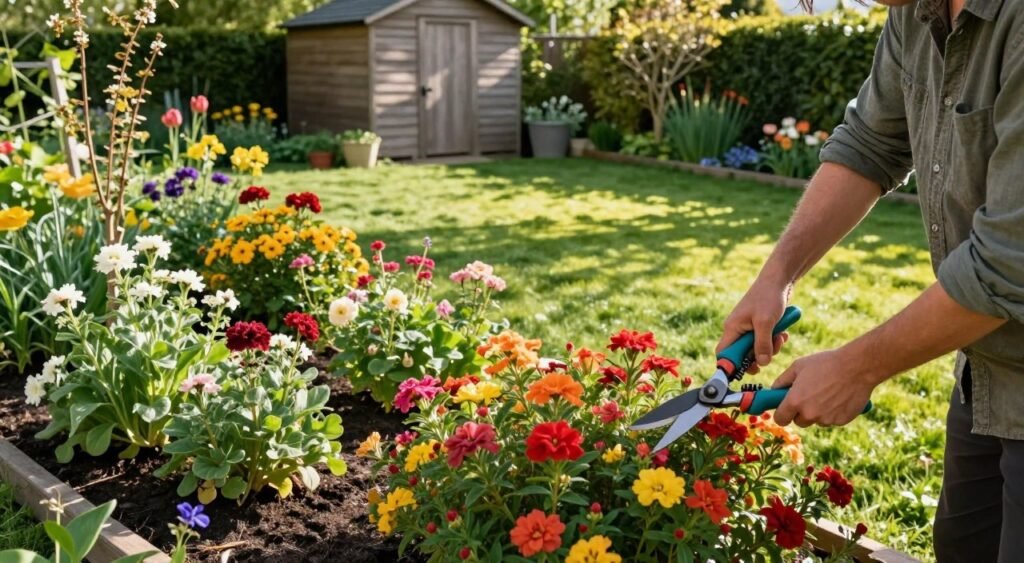
Deadheading means taking off old flowers from your plants. This stops the plant from using energy to make seeds. Instead, the plant uses that energy to grow new buds and keep blooming.
This is great for annuals and many perennials that bloom in cycles. By doing this often, your garden stays colorful and looks cared for all year.
Techniques for Proper Pruning to Maintain Plant Shape
Pruning is more than just removing old flowers. It’s also about keeping your plants the right size and shape. Always cut at a slight angle above a leaf node to help them grow well.
It’s also key to remove dead or crossing branches. This keeps the plant healthy and stops diseases. Regular care keeps your garden neat and prevents plants from getting too big or straggly.
When to Use Sanitized Tools to Prevent Pathogen Spread
Keeping your tools clean is crucial for your garden’s health. Germs like bacteria and fungi can spread easily on dirty blades. Always clean your shears with rubbing alcohol or a bleach mix before using them on different plants.
This is very important if you see any disease signs like spots or wilting. Clean tools protect your garden from stress. These small steps help keep your garden safe and healthy for all your plants.
Identifying and Managing Common Garden Pests
A thriving flower bed attracts more than just looks. It can also attract unwanted visitors. Keeping your garden clean is key to fighting off pests.
Spotting Early Signs of Aphids and Spider Mites
Spotting pests early is crucial. Aphids cluster on leaves and near new growth. They look like tiny green, black, or pink dots.
Spider mites are tiny and hard to see. Look for fine, silky webbing or yellowed leaves. Quick action is needed to stop them.
Natural Remedies for Pest Control in Your Flower Beds
Many gardeners choose organic gardening. A hose can wash away pests without harming plants. This method is safe and effective.
Introducing beneficial bugs like ladybugs helps too. Neem oil and insecticidal soap are also good choices. They keep your garden safe without harming it.
When to Intervene with Targeted Treatments
Sometimes, natural methods aren’t enough. If plants are wilting or damaged, it’s time for stronger treatments. Always check the labels to make sure they’re safe for your flowers.
Prevention is better than fixing problems later. By watching your garden and using organic gardening, your flowers will stay beautiful. This way, your garden stays healthy and lovely for all to see.
Essential Tools for Every Flower Gardener
Getting the right tools makes gardening fun. With good gardening tools, you can do tasks easily and feel confident.
Selecting High-Quality Pruning Shears and Hand Trowels
Pruning shears are key. Choose ones with sharp, steel blades for clean cuts. A sharp blade helps plants heal fast.
For hand trowels, pick sturdy ones. A strong handle means they won’t break. This saves money by lasting longer.
The Benefits of Ergonomic Gardening Equipment
Gardening should be fun, not painful. Ergonomic gardening tools fit your hand well. This reduces wrist pain. It makes a big difference in comfort.
These tools are great for people with arthritis. They make gardening easier and longer. It’s good for your health to choose tools that fit you.
Maintaining Your Tools for Longevity and Performance
Clean your tools after each use. This stops rust. Keeping tools clean keeps them sharp.
Clean tools also help fight pests. Dirty blades can spread disease. Sanitize with bleach or alcohol to keep your garden healthy.
Oil your shears to keep them working well. Good tools make gardening easy. Taking care of your tools means they will last a long time.
Conclusion
Your journey to a beautiful garden starts with small steps. By following these flower care tips, you create lasting beauty outside. Plants love regular care and watching over them.
Being patient is key as you learn about your flowers. You’ll see your garden grow from spring to winter. Each season is a chance to get better and connect with nature.
We hope this guide helps you care for your flowers all year. Learning these tips lets you enjoy your garden’s beauty. Get your tools ready and go outside to see what your garden needs today. Your hard work makes a beautiful place that grows more lovely every year.