
Do you dream of a landscape that stays vibrant all year? Creating a colorful sanctuary is a goal for many. By learning how to encourage longer flowering seasons, you can make your outdoor space beautiful all the time.
Consistent care is the secret to a thriving yard. Basic horticultural practices help plants stay healthy longer. These simple habits keep your landscape lively all year.
Using garden bloom tips helps you get the most from your garden. You don’t need to be a botanist to see great results. Start today and watch your garden grow with more color and life.
Understanding the Lifecycle of Your Garden Blooms
Knowing how your plants work is key to a lively garden. By understanding your flowers, you can use garden bloom tips to keep your yard bright. Each plant has a natural cycle of growth, blooming, and rest.
The Science Behind Flowering Cycles
Plants are like energy machines. They start by gathering sunlight and nutrients. This helps them grow strong stems and leaves.
When they’re ready, they focus on making seeds. This is when you see flowers.
This change is very important for gardeners. To make flowers last longer, you need to know plants want to make seeds when they fade. By acting early, you can make plants make more flowers instead of seeds.
Identifying Annuals Versus Perennials
It’s crucial to know the difference between annuals and perennials. They have different ways to survive, which affects how you care for them.
- Annuals: These plants live for just one season. They grow fast and bloom a lot to make seeds before winter.
- Perennials: These plants come back every year. They spend their first year growing roots before showing off flowers.
Understanding these differences is important. Annuals give quick color, while perennials provide lasting beauty. Knowing this helps you keep your garden colorful all year.
How to Encourage Longer Flowering Seasons Through Proper Soil Management
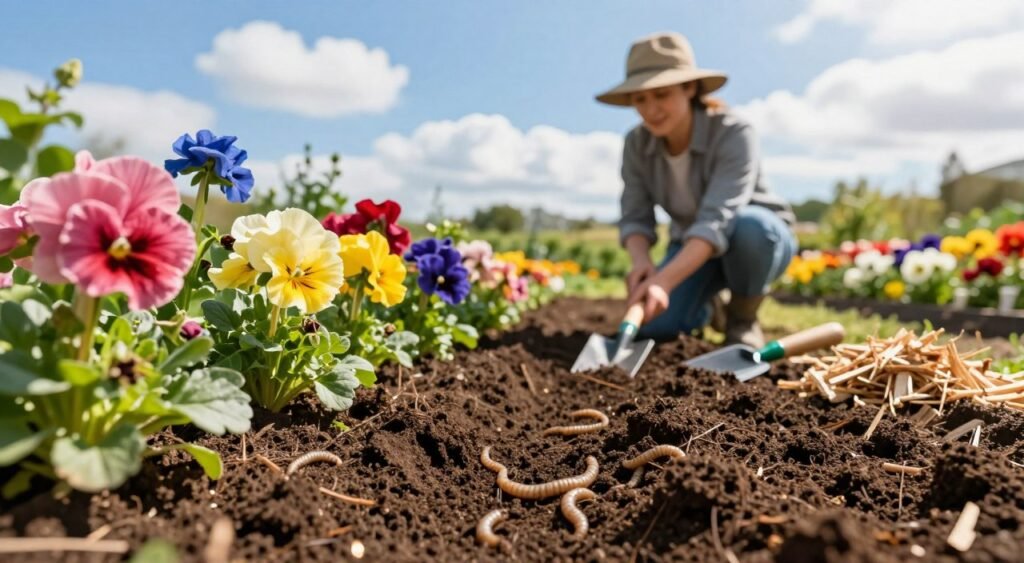
Healthy soil is key for beautiful flowers. It gives plants the nutrients they need. This lets them focus on growing pretty petals, not just surviving.
By taking care of your soil, you help your flowers bloom longer. This makes your garden look great all season.
Testing Your Soil pH and Nutrient Levels
First, find out what your garden needs. A simple test kit from your local nursery can show you. It tells you the soil’s pH and nutrient levels.
Most flowers do best in slightly acidic to neutral soil. This helps them get the minerals they need.
If your soil is too alkaline or acidic, your plants may not get the nutrients they need. This can make them stop blooming early. Regular testing keeps your plants healthy and blooming.
Amending Soil with Organic Matter
After you know your soil’s type, you can make it better. Adding compost or leaf mold is a great way to do this. It turns poor soil into a rich, fertile place.
This makes your soil drain better and hold water longer. When your roots have a good home, they can grow strong. This robust root development is key to extend flower life.
Good soil management for flowers is the secret to a garden that blooms all season.
Mastering the Art of Deadheading for Continuous Color
Deadheading is a key skill for gardeners. It keeps your garden looking great all season. By cutting off old flowers, you tell your plants to make more.
Why Removing Spent Blooms Matters
When flowers fade, plants start making seeds. This means they stop growing new flowers. Removing spent blooms stops this and makes plants grow more flowers.
Deadheading is like talking to your plants. It helps them keep blooming longer.
Techniques for Different Flower Varieties
Choosing the right deadheading techniques depends on the plant. Some need a simple pinch, others a cut back. Knowing this helps your plants look better without harm.
Pinching Back Annuals
Annuals like petunias and marigolds grow better with regular care. Pinching their stems makes them bushy. This also keeps them looking good all summer.
Shearing Perennials for a Second Flush
Perennials like catmint or salvia grow more if sheared back. Cut them by a third to get a second flush of growth. This keeps your garden colorful late into summer.
| Plant Type | Method | Benefit |
|---|---|---|
| Annuals | Pinching | Bushier growth |
| Perennials | Shearing | Second bloom cycle |
| Bulbs | Snapping | Energy storage |
Optimizing Watering Schedules to Prevent Plant Stress
Water is very important for your garden. It helps your flowers grow well. When you water your plants right, they stay strong and look good.
The Importance of Consistent Moisture
Plants need steady water to stay healthy. If the soil gets too dry or too wet, they can get stressed. Consistent hydration helps them grow new flowers.
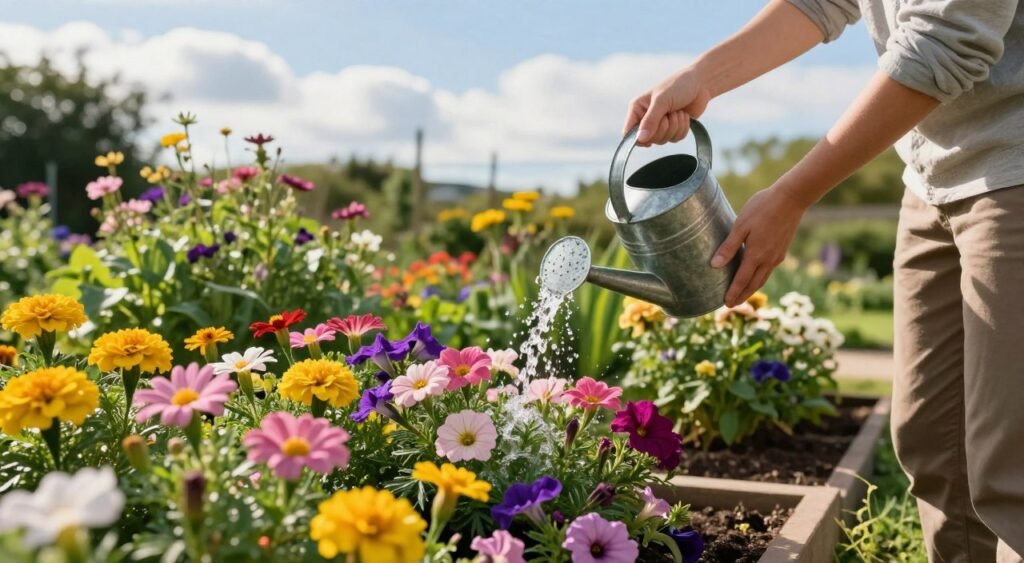
Even moisture helps plants grow. Don’t wait for them to wilt before watering. Proactive watering keeps your garden strong against the sun and wind.
Drip Irrigation Versus Manual Watering
How you water depends on your garden and schedule. Drip irrigation is good for big gardens. It saves water and fights off diseases.
Manual watering lets you check your plants up close. It’s great for deadheading techniques. You can see pests or diseases easily. It takes more time but connects you to your garden.
| Method | Best For | Key Advantage |
|---|---|---|
| Drip Irrigation | Large Beds | Water Efficiency |
| Manual Watering | Containers | Close Inspection |
| Soaker Hoses | Rows | Deep Root Soak |
Strategic Fertilization for Sustained Energy
Keeping your plants full of energy is key to a long-lasting garden. When flowers bloom, they use up a lot of energy. Giving them the right nutrients helps keep your garden colorful all season.
Choosing the Right NPK Ratio
Fertilizer bags have three numbers: Nitrogen, Phosphorus, and Potassium. For flowers, pick a mix that focuses on Phosphorus. This helps buds grow and roots get strong.
Too much Nitrogen makes plants grow leaves but few flowers. Always pick a fertilizer that helps with blooms. This way, your garden focuses on flowers.
Avoiding Over-Fertilization Pitfalls
It’s easy to want to add more fertilizer to make plants grow faster. But too much can harm your plants. Always follow the instructions to keep your soil healthy.
Using organic garden fertilizer is a smart choice. It gives nutrients slowly, keeping your soil safe. This keeps your garden looking great.
| Fertilizer Type | Primary Benefit | Release Speed | Best Use |
|---|---|---|---|
| Synthetic Granular | Rapid nutrient boost | Fast | Quick recovery |
| Organic Compost | Soil structure | Slow | Long-term health |
| Liquid Bloom Booster | Immediate flowering | Very Fast | Mid-season refresh |
Managing Sunlight Exposure for Maximum Bloom Potential
To keep your flowers bright through summer, learn to manage sunlight. Sunlight for flowers is key for growth, but too much heat can hurt them. Finding the right balance keeps your garden colorful and alive.
Assessing Your Garden Light Zones
First, watch how light changes in your garden. Note where the sun hits in the morning and afternoon. Tracking these patterns helps you move plants and plan for next year.
Even with good watering, plants can suffer from too much heat. Grouping plants by light needs helps them stay healthy. This simple step keeps your flowers looking great for longer.
Using Shade Cloth to Protect Against Mid-Summer Heat
In the hottest summer days, a shade cloth can save your plants. These fabrics block strong light but let plants grow. They help keep your plants cooler and fresher.
Putting up your shade cloth right is important. Make sure air can move freely to avoid moisture problems. This, along with watering, keeps your garden cool and your flowers happy.
| Plant Type | Light Preference | Heat Tolerance |
|---|---|---|
| Sunflowers | Full Sun | High |
| Hydrangeas | Partial Shade | Low |
| Petunias | Full Sun | Medium |
| Impatiens | Deep Shade | Very Low |
The Role of Mulching in Temperature Regulation
Using organic material on your soil is a great way to keep blooms going. It acts as a shield, helping your garden stay strong when the weather gets wild. This simple trick keeps your flowers bright all season long.
Benefits of Organic Mulch Layers
Organic mulch wraps your garden beds in a protective layer. As it breaks down, it adds nutrients and makes the soil better. This mulch keeps the soil moist, so you don’t have to water as much.
It also stops weeds from growing, which means less competition for your plants. The mulch keeps the soil cool in summer and warm in winter. This helps your plants grow strong and healthy.
Applying Mulch Without Damaging Stems
When you put down mulch, be careful not to hurt your plants. Spread it two to three inches deep, but don’t let it touch the stems. This stops rot and keeps pests away.
Doing it right means your plants get the insulation they need without getting too hot or too cold. Use your hands or a small rake to spread it around the roots. This keeps the air flowing and the soil just right.
| Mulch Type | Best Use | Decomposition Rate |
|---|---|---|
| Wood Chips | Perennial beds | Slow |
| Straw | Vegetable gardens | Fast |
| Leaf Mold | Flower borders | Moderate |
| Pine Bark | Shrubs and trees | Slow |
Controlling Pests and Diseases Before They Stop the Show
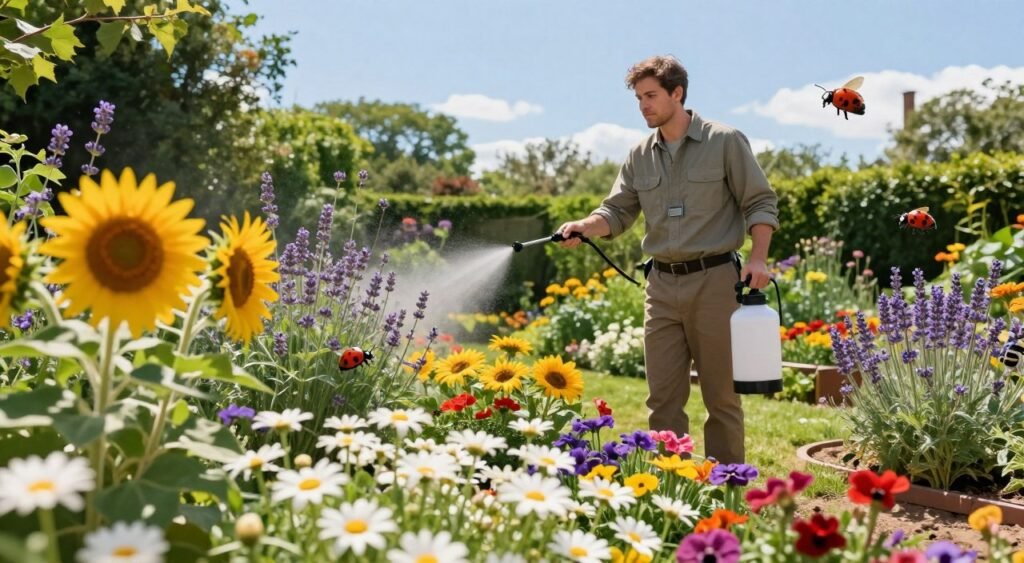
Nothing ruins a beautiful floral display faster than pests. You need to watch your plants closely. This way, you can stop small problems before they get big.
Identifying Common Garden Pests
Many insects love the tender parts of your flowers. Aphids are tiny bugs that suck sap. They make leaves curl and turn yellow.
Thrips leave silvery streaks or distorted petals. Check the undersides of leaves and the base of stems. If you see sticky stuff or tiny holes, it’s time to act.
Natural Remedies for Disease Prevention
You don’t need harsh chemicals for a healthy garden. Keeping plants strong is key. Use a good organic garden fertilizer to help them fight off diseases.
If you see powdery mildew or other problems, try natural fixes. A water and soap mix can keep away soft-bodied insects. Neem oil is great for fungal issues. Remember, a balanced ecosystem is the best way to keep your flowers healthy all season.
| Pest or Disease | Primary Symptom | Natural Solution |
|---|---|---|
| Aphids | Curled, yellowing leaves | Strong water spray or neem oil |
| Thrips | Silvery streaks on petals | Blue sticky traps |
| Powdery Mildew | White dusty spots | Baking soda and water mix |
| Spider Mites | Fine webbing on stems | Consistent misting and humidity |
Pruning Techniques to Encourage New Growth
Pruning is more than just routine maintenance. It’s a key technique for making your plants bloom more. By cutting off old stems, you tell the plant to grow new ones. This keeps your garden neat and full of flowers.
When to Prune for Re-blooming
Timing is everything when pruning for reblooming. Cut back your plants right after the first flowers fade. This stops them from making seeds, which slows down new flowers.
Trimming stems by one-third makes the plant grow more buds. Consistency is key. This keeps your garden colorful all season.
Tools You Need for Clean Cuts
Using the right tools is crucial for your plants’ health. Always use sharp, sterilized bypass pruners for clean cuts. Dirty cuts can bring in bad bacteria, so proper tool hygiene is important.
After pruning, your plants need a boost to grow new. A balanced NPK ratio for blooms helps them recover fast. With the right tools and care, your garden will bloom again.
Selecting Varieties Known for Extended Bloom Times
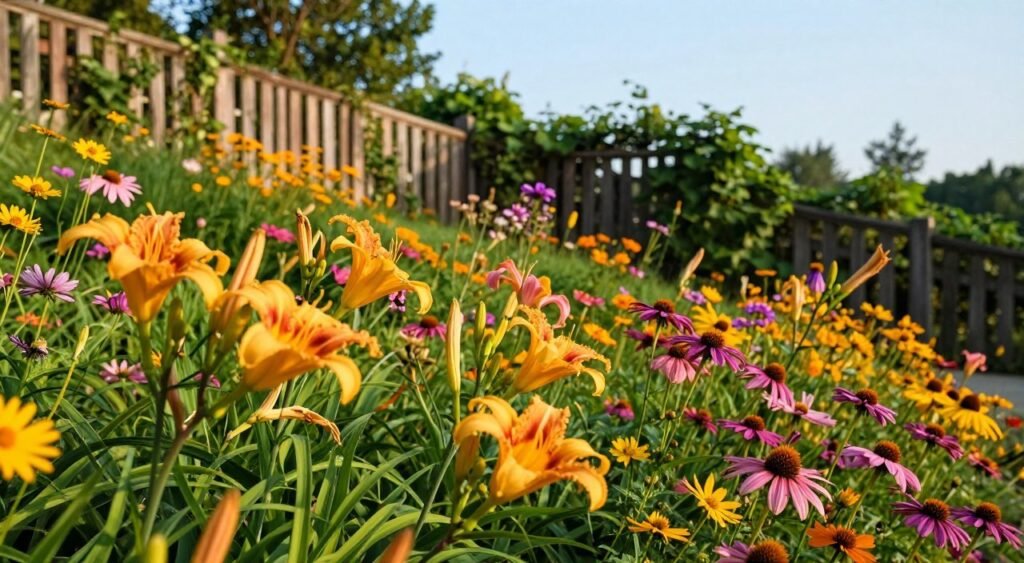
You can make your outdoor space beautiful all year by picking the right long-blooming flower varieties. The best plants will make your garden colorful from spring to autumn.
Top Picks for Long-Blooming Annuals
Annuals keep your garden colorful all season. Zinnias and Lantana love the sun and bloom a lot. They fill your garden with color and energy.
Petunias are great for hanging over containers. Deadheading them makes them bloom again. They need water to stay colorful in summer.
Reliable Perennials That Bloom Through Autumn
Perennials are the heart of your garden. Sedum, Coneflowers, and Asters bloom late. They are hardy and easy to care for.
«The secret to a beautiful garden is not just in the care you provide, but in the wisdom of choosing plants that want to thrive in your specific environment.»
To keep perennials healthy, use garden mulch to keep soil moist. Pruning for reblooming can make them bloom again before winter. Use the table below to plan your garden.
| Plant Variety | Bloom Season | Sun Requirement | Maintenance Level |
|---|---|---|---|
| Zinnia | Summer to Frost | Full Sun | Low |
| Coneflower | Mid-Summer to Fall | Full Sun | Low |
| Aster | Late Summer to Fall | Partial to Full | Medium |
| Lantana | Spring to Frost | Full Sun | Low |
Conclusion
Creating a landscape that stays vibrant needs patience and smart planning. Learning to make flowers bloom longer turns your yard into a joy spot. You now know how to keep soil and plants healthy.
Choosing long-blooming flowers keeps your garden colorful through the seasons. Proven Winners has great options for your garden. These plants do well with the care you’ve learned.
Small daily efforts lead to big results over time. Regular care makes a simple spot into a thriving garden. Your hard work makes a beautiful place for nature to grow.
Share your gardening journey with local plant lovers. Trying new things keeps gardening fun. Enjoy the beauty of your garden all year.