
Creating a bright indoor garden is all about light and plant health. Knowing the signs your flowering plants need more sunlight is key. It helps keep your plants lush and healthy at home.
Many people face problems when their plants don’t bloom. Learning these indoor gardening tips helps spot issues early. This way, you can fix problems before they harm your plants.
Watching your plants closely is very important. When you understand what they tell you, you become a better plant parent.
This guide will teach you to read your plants’ signals. Let’s start this journey to make sure every leaf and flower gets the right light. This way, they can grow well all year.
Understanding the Role of Light in Plant Development
Light is more than just a pretty thing. It’s what makes plants grow and bloom. When you bring plants inside, you’re taking care of a living system. Knowing how plants use light helps them grow well.
Photosynthesis and the Energy for Blooms
Photosynthesis in plants is key. It turns light into food for plants. Without enough light, plants can’t grow.
Good light makes plants strong. It helps them make food and grow. This is why plants need light to bloom.
Why Flowering Plants Have Higher Light Requirements
Not all plants need the same light. Flowering plants need more light than others. This is because making flowers is a big job for plants.
Flowers take energy from leaves and stems. Without enough light, plants can’t make flowers. Here’s a table showing how different plants use energy.
| Plant Category | Primary Energy Use | Light Intensity Need |
|---|---|---|
| Foliage Plants | Maintenance & Growth | Low to Moderate |
| Flowering Plants | Reproduction & Blooms | High to Very High |
| Succulents | Water Storage & Growth | High |
Knowing what plants need helps them thrive. Adjusting light for your plants ensures they can photosynthesize well.
Identifying the Primary Signs Your Flowering Plants Need More Sunlight
Seeing the signs of too little light is the first step to help your plants. When plants don’t get enough light, they show certain signs your flowering plants need more sunlight. Knowing these signs helps you make your home better for their growth.
Leggy Stems and Stretched Growth
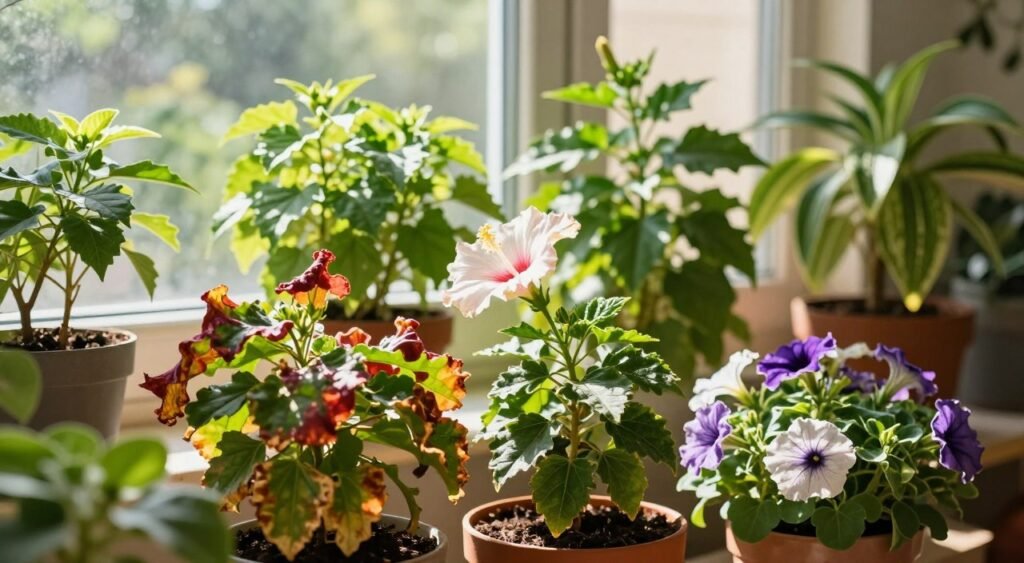
One sign of not enough light is leggy plant stems. Your plant might grow tall and thin. It looks like it’s stretching to reach the light.
Pale or Yellowing Foliage
Some color changes in leaves are normal. But yellowing plant leaves often mean not enough light. If your green leaves start to fade, it’s a sign to check the light.
Failure to Produce Buds or Flowers
Seeing no flowers on plants that should bloom is very frustrating. Flowering needs a lot of energy. Without enough light, plants can’t make buds or flowers.
Small and Underdeveloped Blooms
Even with a few flowers, they might be small or not open well. These small blooms show the plant is struggling. A brighter spot can help your plant make bigger, better flowers.
| Symptom | Light-Starved Plant | Healthy Plant |
|---|---|---|
| Stem Growth | Long, thin, and weak | Sturdy and compact |
| Leaf Color | Pale or yellowing | Deep, rich green |
| Bloom Quality | Small or non-existent | Vibrant and abundant |
| Growth Direction | Leaning toward light | Balanced and upright |
Assessing Your Current Lighting Conditions
Before you can take care of your plants, you need to know their light needs. Many people think their windows are bright enough. But, light gets weaker fast just a few feet from the glass. Checking your space helps avoid plant problems.
Measuring Light Intensity with a Light Meter
Your eyes can adjust to light, but they’re not always right for plants. A digital light meter is the best way to measure light for houseplants accurately. It shows a number, like foot-candles or lux, to match your plant’s needs.
Just put the sensor where your plant’s leaves are. Be consistent when checking different spots. This way, you can make a plant light exposure guide without guessing.
Observing Daily Sun Patterns in Your Home
Light changes a lot during the day as the sun moves. Watch how light comes into your rooms all day. Some spots get bright in the morning but then get dark.
Keep a simple log of these changes. This helps find the best spots for your plants. Watching these patterns helps you know if a spot is bright or too harsh. This ensures your plants get the right light for blooms.
Understanding North, South, East, and West Exposures
The direction of your windows affects the light your plants get. South-facing windows have the most intense light, great for sun lovers. North-facing windows have softer, more steady light, good for plants that don’t like direct heat.
East-facing windows get the morning sun, and West-facing windows get the late afternoon sun. Knowing your windows helps place your plants where they’ll do best.
Step-by-Step Guide to Relocating Your Plants
Moving your plants to a new spot is more than just picking a sunny corner. You need a strategic approach to keep them happy. This plant light exposure guide will help you move them safely.
Step 1: Evaluating the New Location
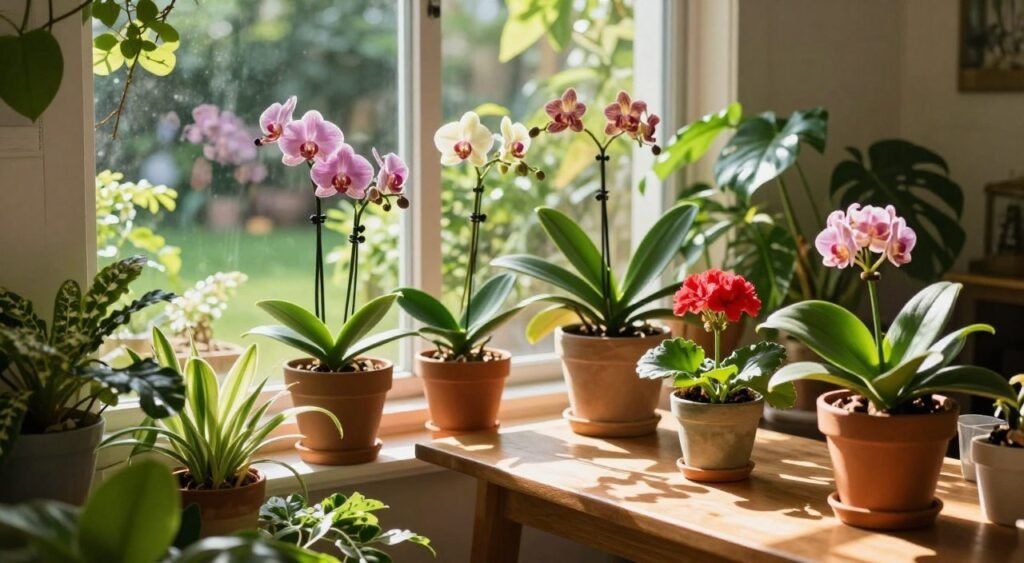
Before moving your plant, check the new spot. Look for drafts, heating vents, or cooling units. You want a place with steady, good light and no harsh air.
Step 2: Acclimating Plants to Brighter Conditions
Plants can get shocked by too much light too fast. Use a gradual acclimation process to help them adjust slowly. Start with short hours in the new spot, then increase it little by little.
This slow adjustment helps your plant get used to more light. By following this plant light exposure guide, you lower the chance of wilting or leaf drop. Being consistent is key.
Step 3: Monitoring for Leaf Scorch
Watch for signs of stress, like brown, crispy patches on leaves. This usually means too much direct sun too fast. If you see these spots, move the plant to a shadier spot right away to help it recover.
| Light Level | Acclimation Time | Risk of Scorch |
|---|---|---|
| Low to Medium | 3-5 Days | Low |
| Medium to High | 7-10 Days | Moderate |
| Direct Sun | 14+ Days | High |
Keep a close eye on your plants for the first two weeks after moving. Using this plant light exposure guide helps your plants get the light they need to bloom well without getting hurt.
Using Supplemental Lighting for Indoor Blooms
If your home lacks bright windows, supplemental lighting is the secret weapon for vibrant blooms. When natural light is insufficient, using grow lights for indoor plants can provide the necessary spectrum. This helps encourage consistent flowering throughout the year.
Choosing Between LED and Fluorescent Grow Lights
Choosing the right equipment depends on your space and budget. LED systems are highly energy-efficient and last a long time. They are a favorite for modern indoor gardeners.
Traditional fluorescent options are often more affordable upfront. They work well for smaller setups.
Both types of grow lights for indoor plants can mimic the sun’s rays. Here’s a comparison to help you decide:
| Feature | LED Lights | Fluorescent Lights |
|---|---|---|
| Energy Efficiency | High | Moderate |
| Heat Output | Low | Moderate |
| Initial Cost | Higher | Lower |
| Lifespan | Very Long | Short to Medium |
Determining the Correct Distance from the Canopy
Maximizing light absorption requires careful placement of your fixtures. If the light is too far away, your plants will remain leggy and weak. Placing them too close can cause leaf scorch or heat stress.
«The goal of artificial lighting is to provide intensity without damage; always monitor the foliage for signs of heat stress when adjusting your light height.»
Start by placing your lights about 12 to 18 inches above the canopy. Observe your plants for a few days and adjust the height based on their reaction. Consistent monitoring is the best way to ensure your flowers receive the perfect amount of energy.
Setting Up Timers for Consistent Photoperiods
Flowering species often rely on specific day-night cycles to trigger their blooming phase. By using a simple mechanical or digital timer, you can mimic the natural rhythm of the sun. This consistency is essential for plants that require a strict photoperiod to produce buds.
Set your timer to provide 12 to 16 hours of light daily for most flowering varieties. This automated approach ensures your grow lights for indoor plants operate reliably even when you are away. With the right schedule, you will see a noticeable improvement in your plant’s overall health and bloom production.
Adjusting Care Routines During Light Transitions
When plants get more sunlight, they change a lot. You need to change how you take care of them. This is because they start to use energy faster.
Managing Increased Water Needs
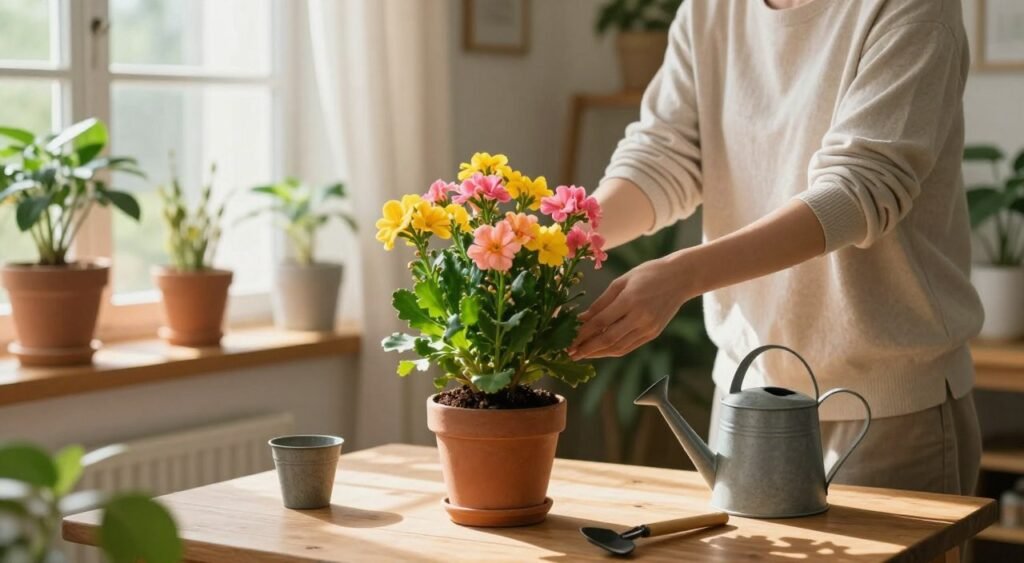
More sunlight makes plants lose water faster. They need more water because they are working harder. Check the soil often to keep them from drying out.
Consistency is key when watering. Use the «finger test» to see if the soil is dry. If it is, water them well to help them grow.
Fertilizing Strategies for Plants in High Light
More light means plants grow and bloom more. They use up nutrients fast. You need to feed them often to keep them healthy.
«Plants are like athletes; when they perform at their peak, they require more fuel to sustain their growth and produce beautiful, lasting blooms.»
Use a balanced fertilizer when they are growing. Follow the instructions to avoid harming the soil. This helps them show off their best.
Humidity Considerations for Sun-Loving Species
Many plants love sun but need more moisture. Dry air can hurt them. Group plants or use a pebble tray to keep them moist.
| Care Factor | Low Light Needs | High Light Needs |
|---|---|---|
| Watering Frequency | Every 10-14 days | Every 5-7 days |
| Fertilizer Usage | Minimal/Monthly | Regular/Bi-weekly |
| Humidity Level | Standard (30-40%) | Elevated (50%+) |
| Soil Moisture | Drier | Consistent |
Watch these factors to make sure your plants thrive in more light. Changing your care routine will make them look great all season.
Common Mistakes When Increasing Sunlight Exposure
Even with good plans, you might hurt your plants trying to help them. Moving a plant is a big change that needs patience and watching closely. Staying away from common mistakes helps your plants grow well, not suffer from unnecessary damage.
The Danger of Sudden Sun Exposure
One big mistake is moving a plant from a dark spot to very bright sunlight. This can cause leaf scorch, where leaves turn brown or white. It’s better to slowly get plants used to more light to avoid shock.
Ignoring Temperature Fluctuations Near Windows
Many forget that windows create their own special climate. Glass can make it hot during the day or cold at night. Make sure the temperature in your chosen spot is right for your plants all day.
Over-Correcting and Causing Heat Stress
It’s easy to want to give plants lots of light. But too much can hurt them. Moving a plant to a very bright or hot spot can cause plant heat stress. This can make plants wilt, grow slowly, or even die if not fixed fast. Always watch your plant closely when you move it.
Monitoring Recovery and New Growth
Watching your plant recover after light changes is very rewarding. By following plant recovery tips, your plant will thrive. Keep watching for small changes that show your plant is getting better.
Signs of Successful Adaptation
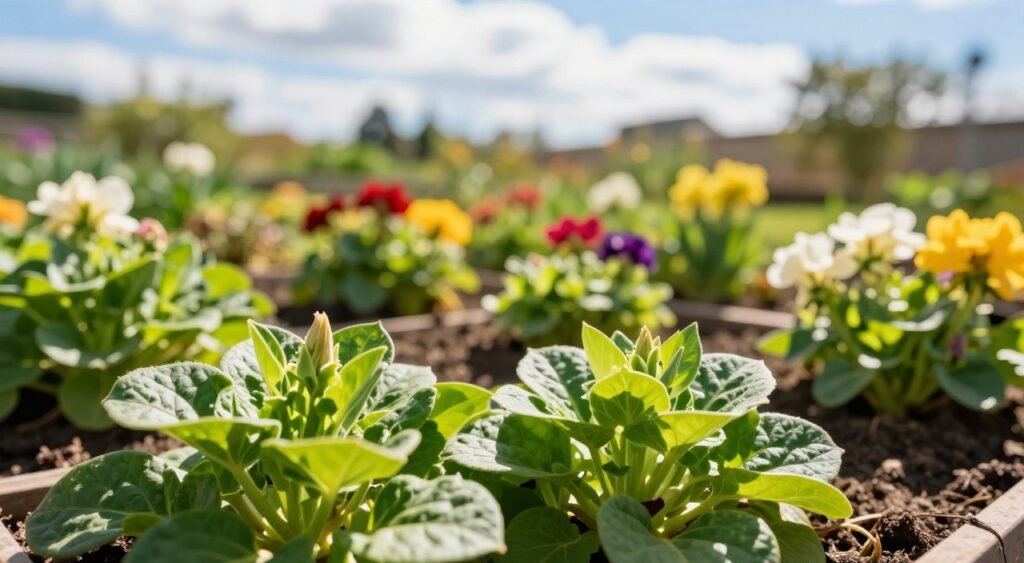
When a plant gets enough light, it stops stretching. You’ll see darker, firmer leaves that feel strong. Also, new leaves grow closer together.
These signs show your plant recovery tips are working. Your plant is now building a strong, healthy body.
Pruning Leggy Growth to Encourage Bushiness
Old, stretched stems might not get better even with more light. Cutting back these weak stems is key. It helps your plant grow new, compact leaves.
Use sharp shears to cut just above a leaf node. This makes your plant grow fuller and more attractive over time.
Tracking Bloom Production Over Time
The goal is to see lots of flowers. Keep a journal or use an app to track buds. More blooms mean your light strategy is working.
| Growth Stage | Visual Indicator | Action Required |
|---|---|---|
| Initial Adjustment | Pale, stretched stems | Monitor light levels |
| Active Recovery | Darker, firm foliage | Begin pruning leggy plants |
| Full Bloom | Increased bud count | Maintain consistent care |
Seasonal Adjustments for Flowering Varieties
As the earth tilts and the days grow shorter or longer, your plant care routine must evolve. Plants are very sensitive to light changes. By staying proactive, you keep your plants healthy and ready to bloom.
Adapting to Shorter Winter Days
In winter, the sun is lower and gives less energy to plants. Move your flowering pots closer to south-facing windows for more light. If your home is dark, supplemental LED grow lights can help.
Managing Summer Sun Intensity
Summer brings lots of light but also heat stress. The sun’s rays can scorch leaves, even through glass. Use sheer curtains to filter intense afternoon light in the hottest months.
When to Move Plants Outdoors
Putting plants outside is great once it’s safe. Wait until nighttime is above 50°F to avoid shocking them. Gradually introduce them to the outdoors to prevent leaf burn.
Conclusion
Learning about light for your plants makes your home bright and colorful. You can turn a dull spot into a colorful corner with a few easy steps.
Watching how your plants grow helps a lot. Making small changes to their light can make them bloom better. This is true for plants like the Peace Lily or African Violet.
These tips are your guide to growing plants indoors. You know how to fix light problems and give your plants what they need to grow.
We hope this guide helps you grow a beautiful collection of plants. Share your success with others who love plants. Enjoy watching your indoor garden grow and bloom all year.