
Do you dream of a yard that looks great without taking up all your time? You can have a beautiful outdoor space without spending hours on it. By picking the right plants, you can make your yard a thriving sanctuary that makes your home look better.
Planning is key to a garden that takes care of itself. Choosing low maintenance flowers for landscape borders means you get lasting beauty without hard work. These plants let you enjoy your yard more and work in it less. Smart gardening means picking plants that fit your area and soil well.
Assessing Your Landscape Environment
Starting a garden is more than just buying plants. First, you need to check your garden’s environment. This helps pick easy care garden plants that grow well with little help.
«The best fertilizer is the gardener’s shadow.»
Evaluating Sunlight Exposure Patterns
Sunlight is key for your garden. Watch how long your garden beds get sun each day. Most easy care garden plants need at least six hours of sun to bloom well.
Look at your yard in the morning, noon, and late afternoon. Places that get morning sun but afternoon shade are great for cool-loving plants. This avoids the problem of putting sun-loving plants in shade.
Understanding Your Soil Composition and Drainage
Your soil is the base for all plants. Dig a small hole and fill it with water to see how fast it drains. If water stays for hours, your soil is likely heavy clay and needs help.
Good soil feels crumbly and dark, letting roots breathe. Adding compost helps with drainage and keeps nutrients. Always care for your soil to avoid using harmful fertilizers.
Identifying Your USDA Hardiness Zone
The USDA Hardiness Zone map is crucial for planning. It divides the U.S. into zones by winter temperature. Knowing your zone helps pick plants that can handle your winters.
Find your zone by typing your zip code online. Picking plants for your zone ensures they come back every year. Always follow these guidelines for a garden that’s easy to care for.
Defining Your Aesthetic Goals for Borders
A good border frames your home. It mixes colors and shapes well. Before picking plants, have a clear idea of your outdoor space. Using landscape design tips helps keep your garden beautiful all year.
Selecting Color Palettes for Curb Appeal
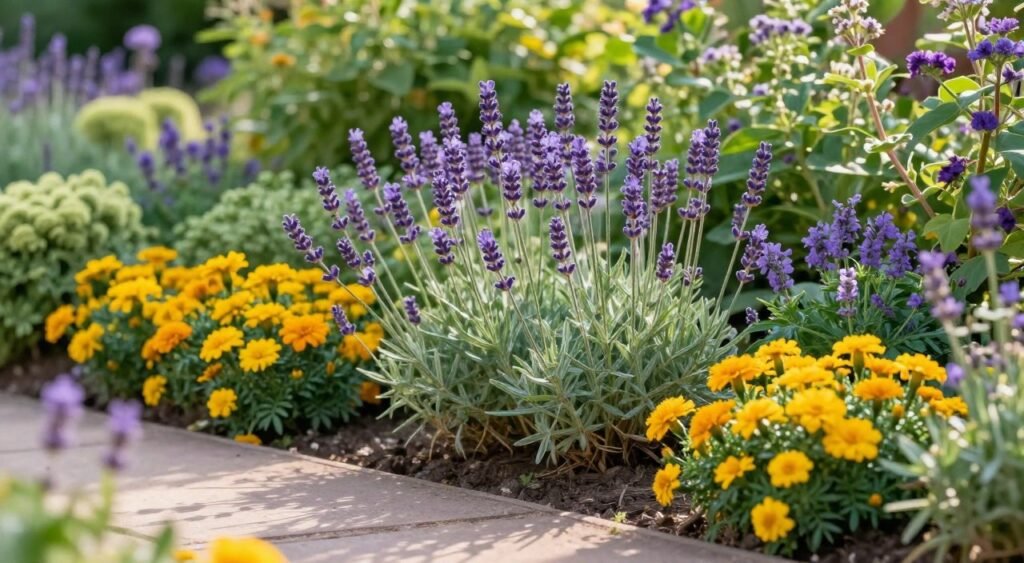
Choosing the right colors is key for curb appeal landscaping. You might like a single color for a modern look or many colors for a cottage garden. Consistency is important for a welcoming entrance that matches your home.
Determining Desired Bloom Times and Sequences
To keep your garden looking good, plan for flowers all year. Pick best border flowers that bloom at different times. This way, your garden always looks full, from spring bulbs to late-season flowers.
Balancing Height and Texture in Border Design
Layering adds depth to your garden. Put tall plants in the back and short ones in the front. Mixing different textures, like broad leaves and fine grasses, makes your garden look fancy.
| Design Element | Primary Goal | Impact on Garden |
|---|---|---|
| Color Palette | Visual Harmony | Enhances home style |
| Bloom Sequence | Seasonal Interest | Prevents empty gaps |
| Plant Height | Depth Perception | Creates professional layers |
| Foliage Texture | Visual Contrast | Adds dynamic interest |
Follow these landscape design tips to pick the best border flowers for your garden. Good planning means a beautiful, easy-to-care-for landscape that really catches the eye.
Criteria for Selecting Low Maintenance Flowers for Landscape Borders
Creating a low-maintenance border is all about picking the right plants. These plants should be able to grow well on their own. This way, your garden stays beautiful with little effort from you.
Prioritizing Drought Tolerance and Water Efficiency
Watering can take up a lot of time. Drought tolerant perennials need less water, which saves you time. These plants can store water or find it deep in the soil.
Look for plants with thick leaves or deep roots. They stay green even when it’s dry. Choosing these plants keeps your garden looking good, even when it’s not raining.
Focusing on Pest and Disease Resistance
A healthy garden doesn’t need lots of chemicals. Pest resistant flowers keep pests away naturally. These plants often have oils or textures that bugs don’t like.
By choosing plants that resist pests, you help the environment and save time. Strong plants are less likely to get sick or attract pests. This keeps your garden looking great all season.
Evaluating Self-Cleaning and Deadheading Requirements
Many people don’t like picking up old flowers. Low maintenance flowers for landscape borders that drop their flowers themselves are a good choice. This saves you from spending hours pruning.
If a plant needs deadheading, find ones that only need it once a year. Efficiency is important in a garden meant for relaxation. Thinking about these needs before planting helps your garden succeed for a long time.
Top Perennial Choices for Effortless Borders
Want a beautiful garden that’s easy to care for? Pick the right perennials first. These plants come back every year. By choosing easy care garden plants, you get a lively outdoor area without hard work.
Coneflowers for Reliable Summer Color
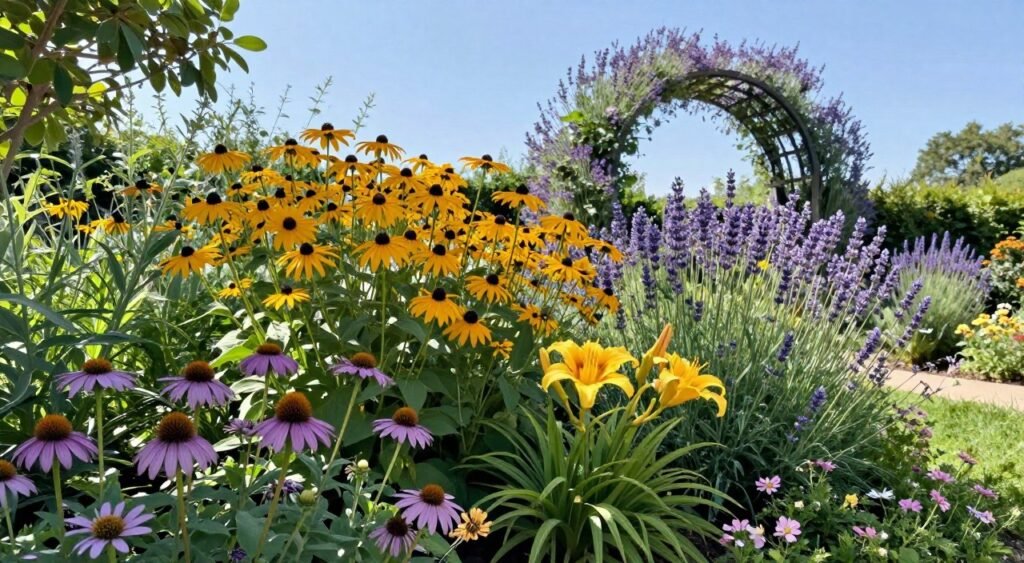
Coneflowers, or Echinacea, are loved by gardeners for their steady color. These long blooming perennials brighten up your garden from mid-summer to fall. They love the sun and can handle hot weather.
Daylilies as Hardy Border Staples
Daylilies are top picks for their easy-going nature. They grow fast and keep weeds away, saving you time. Their leaves add a gentle touch to your garden’s edges.
Sedum Varieties for Texture and Resilience
Need plants that don’t need much water? Sedum is your answer. These drought tolerant perennials have cool leaves that stay pretty even when it’s dry. They bloom late, adding color before winter.
| Plant Variety | Primary Benefit | Sun Requirement | Water Needs |
|---|---|---|---|
| Coneflower | Long Bloom Time | Full Sun | Low to Moderate |
| Daylily | Weed Suppression | Full to Partial | Low |
| Sedum | Drought Resistance | Full Sun | Very Low |
Incorporating Flowering Shrubs for Structural Beauty
Creating a low-maintenance border is more than just flowers. It needs the strong base that shrubs provide. While perennials add color, flowering shrubs for borders are the garden’s backbone. They give height and weight that flowers can’t.
Choosing the right shrubs makes your garden look good all year. These plants are remarkably resilient and need less care than annuals. Here are the main benefits of adding shrubs:
- Year-round presence: Woody stems keep your garden looking good even in winter.
- Reduced maintenance: Shrubs need less pruning than most perennials.
- Enhanced privacy: Tall shrubs create natural screens and mark garden edges.
Hydrangeas for Dramatic Impact
Hydrangeas are great for a bold look. Their big, colorful flowers grab your attention. They do well in partial shade, perfect for shady spots.
Many modern hydrangeas have sturdy stems that don’t fall over in rain. This keeps your garden looking neat without needing constant support.
Spirea for Consistent Foliage and Blooms
Spirea is a hard worker in your garden. It blooms in spring and summer, and its leaves turn colors in fall. These flowering shrubs for borders are a double treat.
They’re easy to use as a low hedge or a solo plant. Their compact size means little pruning is needed to keep them neat.
Potentilla for Long-Lasting Seasonal Interest
Potentilla blooms from late spring to frost. These flowering shrubs for borders are perfect for sunny areas. They’re also very water-friendly once they’re settled.
| Shrub Variety | Primary Benefit | Sun Requirement |
|---|---|---|
| Hydrangea | Dramatic Blooms | Partial Shade |
| Spirea | Foliage Texture | Full Sun |
| Potentilla | Long Bloom Time | Full Sun |
Adding these woody plants makes your garden look great with little effort. Mixing them with perennials creates a dynamic and sustainable garden space.
Utilizing Native Plants to Reduce Garden Chores
If you want a beautiful yard that takes care of itself, look to your local ecosystem. By picking native plants for gardens, you match your landscape with your area’s natural world. These plants have grown for thousands of years to do well in your climate without needing constant help.
Benefits of Using Regionally Adapted Species
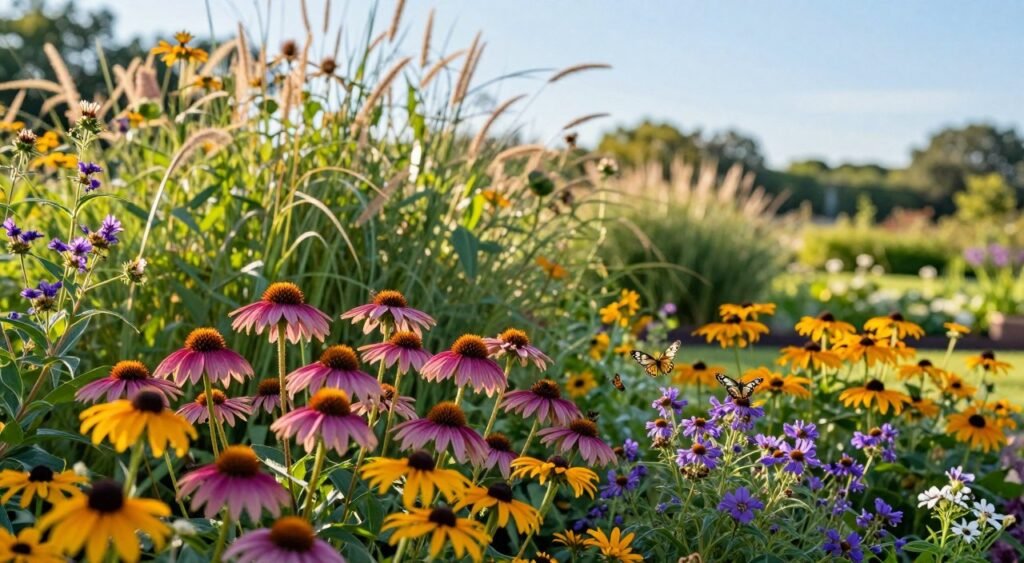
Regionally adapted species are key to resilient landscapes. They need less water because they’re used to your area’s weather. This means your garden stays colorful even when the weather is tough.
«The best way to garden is to work with nature, not against it, by selecting plants that belong in your soil.»
Supporting Local Pollinators with Native Blooms
Adding these plants to your garden helps local wildlife. You give bees, butterflies, and birds the food and shelter they need. This makes your garden a lively part of the local ecosystem.
Your garden becomes a key part of the local habitat. It helps keep the balance of your area’s ecosystem. It’s a great way to enjoy nature right outside your door.
Reducing Fertilizer and Pesticide Needs
Using native species means less work for you. They fight off pests and diseases naturally, so you don’t need harsh chemicals. They also fit perfectly with your soil’s nutrients.
You’ll use less time and money on synthetic fertilizers. Choosing native plants for gardens makes your garden lush and healthy with little effort. It’s the best way to have a stress-free, thriving garden.
Planning Your Planting Layout for Success
Planning your garden layout is key to a healthy and beautiful garden. Using landscape design tips helps your plants grow well. A good plan saves you work and makes your yard look great.
Spacing Requirements to Prevent Overcrowding
It’s important to space plants right to keep them healthy. Too close together can cause fungal diseases and slow growth. Always look at the plant’s full size, not just its nursery size.
Enough space lets plants grow big and strong. This means less pruning and a cleaner look. Adequate spacing helps your garden stay healthy.
Grouping Plants by Similar Water Needs
Grouping plants by water needs makes gardening easier. Plants that like dry soil don’t get too wet. This helps avoid root rot and saves water.
Organizing plants by water needs is a smart landscape design tip. It makes sure each plant gets the right amount of water. This saves time, water, and helps roots grow strong.
Layering Plants for Visual Depth
Layering plants makes your garden look lush and full. Taller plants go in the back, shorter ones in the front. This creates a dynamic visual flow and keeps weeds away.
Layering adds texture and interest to your garden. It makes a thick canopy that stops weeds without chemicals. Here are some tips for layering:
| Strategy | Primary Benefit | Maintenance Impact |
|---|---|---|
| Proper Spacing | Disease Prevention | Lowers Pruning Needs |
| Hydro-zoning | Water Efficiency | Reduces Irrigation Time |
| Vertical Layering | Weed Suppression | Minimizes Soil Exposure |
Preparing the Soil for Long-Term Health
A good garden starts with strong roots. The right soil preparation for flowers is key. It saves you from using chemicals later.
Testing and Amending Soil pH
First, check if your soil is too acidic or too alkaline. Most flowers like a slightly acidic to neutral soil. You can buy a simple test kit at a local nursery.
If your soil is too far off, you might need to add something. Garden lime can make it less acidic. Elemental sulfur can make it less alkaline. Doing this early helps your plants grow well.
«The soil is the great connector of lives, the source and destination of all. Without proper care for the earth, the garden cannot sustain its own beauty.»
Incorporating Organic Matter for Nutrient Retention
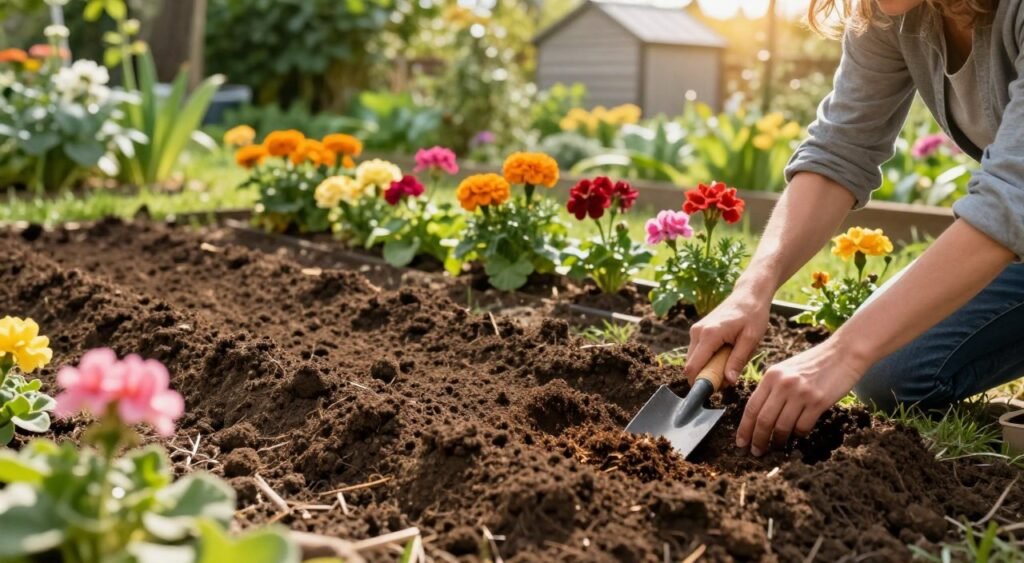
To improve your garden soil health, add organic matter. Compost, aged manure, or leaf mold are good. They make the soil better for roots.
Adding a few inches of these materials helps your plants. They grow stronger and bloom more. This way, you don’t need to use chemical fertilizers.
| Amendment Type | Primary Benefit | Best Use Case |
|---|---|---|
| Compost | Nutrient boost | All soil types |
| Peat Moss | Moisture retention | Sandy soil |
| Expanded Shale | Drainage improvement | Heavy clay soil |
Installing Weed Barriers and Mulch Layers
After enriching your soil, protect it. Use a good landscape fabric or organic mulch. This stops weeds and saves you time.
Put down two to three inches of wood chips or bark. It keeps roots cool and holds moisture. Good soil preparation for flowers makes your garden easy to care for.
Step-by-Step Planting Techniques
Learning planting techniques for beginners helps your garden grow well. Putting plants in right is key for them to grow fast. These steps help your garden need less care later.
Digging and Preparing the Planting Hole
First, dig a hole that’s twice as wide as the plant’s pot. But don’t make it too deep. Deep planting can cause stem rot. Make sure the soil level is even with the root ball.
Loosen the soil around the hole. This lets the roots spread out easily.
Proper Root Teasing and Placement
Plants from pots have roots that circle the pot. Gently spread these roots out with your fingers. This helps them grow into the soil.
If roots are tangled, use a clean knife to make shallow cuts. This is a key step to avoid root problems.
Initial Watering and Establishment Care
After placing the plant, fill the hole halfway with soil. Then, water well to get rid of air pockets. Finish filling the hole and press down gently.
Keep the soil moist for a few weeks. Use organic mulch around the plant to keep it wet and weed-free. Keep the mulch away from the stem to avoid rot.
Using these planting techniques for beginners gives your garden a great start. Watch your plants closely, mainly when it’s dry. With the right start, your garden will flourish for years.
Establishing a Minimalist Maintenance Routine
A minimalist garden is easy to care for. Once your plants grow, a simple garden maintenance routine keeps it looking great. You won’t spend hours every day.
Efficient Irrigation Strategies
Watering your garden right is key. Use a drip system instead of sprinklers. It saves water and gives plants what they need.
Group plants by how much water they need. This makes watering easier. It keeps plants healthy and saves water.
Seasonal Pruning and Cleanup Tips
Don’t clip all the time. Clean up in autumn or spring. This stops disease and keeps your garden looking good.
Use sharp tools for pruning. Light pruning after blooms can bring more flowers. This way, you don’t need to do a lot.
Managing Weeds Without Harsh Chemicals
Weeds are a big part of garden care. Use organic mulch to stop them. It blocks sunlight and weeds can’t grow.
Remove weeds by hand, it’s best. Pull them after a rain. A weekly check helps catch weeds early.
Troubleshooting Common Border Issues
Fixing your garden is part of the journey to a beautiful landscape. Even with good planning, plants can show stress. Watching them closely helps fix problems early.
Addressing Unexpected Pests and Fungal Growth
Seeing holes in leaves or spots means it’s time for garden pest control. First, find out who’s causing the trouble. Many pests can be stopped with neem oil or soap. Being consistent is important.
«The best fertilizer is the gardener’s shadow.»
Fungi grow where air is still or water is too much. Make sure plants have room and don’t water from above. If you see powdery mildew, cut off the sick leaves fast.
Correcting Nutrient Deficiencies
If plants look small or leaves turn yellow, they might need nutrients. Start by testing the soil to see what’s missing. Adding compost is a safe way to fix it.
Look out for these signs of nutrient problems:
- Nitrogen deficiency: Older leaves turn pale green or yellow.
- Phosphorus deficiency: Leaves may develop a purplish tint.
- Potassium deficiency: Edges of leaves appear scorched or brown.
Managing Invasive Growth Patterns
Some plants grow too much and push out others. Watch them closely to catch this early. Use barriers or divide roots in winter to keep things balanced.
By controlling pests and watching your plants, you’ll have a great garden. Remember, fixing garden problems gets easier with time. Your hard work will pay off with a beautiful, easy-to-care-for garden.
Conclusion
Creating a low-maintenance landscape border makes your yard beautiful forever. You save hours by picking plants that love your climate. Your garden becomes a calm place, not a big job.
Good gardening is about making smart choices today. Check your soil and sunlight to help plants grow well. Proven Winners has plants that do great in your weather with little care.
You can make a space that helps local bees and animals. Every plant you choose makes your yard better for nature. Begin by planning your area and picking plants that fit your dream.
Getting your dream garden is easy with good planning and materials. Start your garden this weekend. You deserve a lovely outdoor space that makes you happy all year.