
To make your garden bright and full of life, you need more than just sun and dirt. You must learn how to water right. Many people think watering is a simple task, but it’s actually a living thing.
Finding the best watering schedule for garden flowers is not easy. It changes with the weather in your area. Knowing how your weather affects your plants helps you care for them all year.
Key Takeaways:
- Consistency is the foundation of plant vitality.
- Weather conditions dictate your daily hydration strategy.
- Adapting to seasonal shifts ensures long-term success.
Understanding the Fundamentals of Your Garden’s Hydration Needs
Before you grab the hose, learn about your soil first. Knowing garden hydration tips helps your garden grow well. By understanding your garden’s needs, you can make sure your plants get what they need.
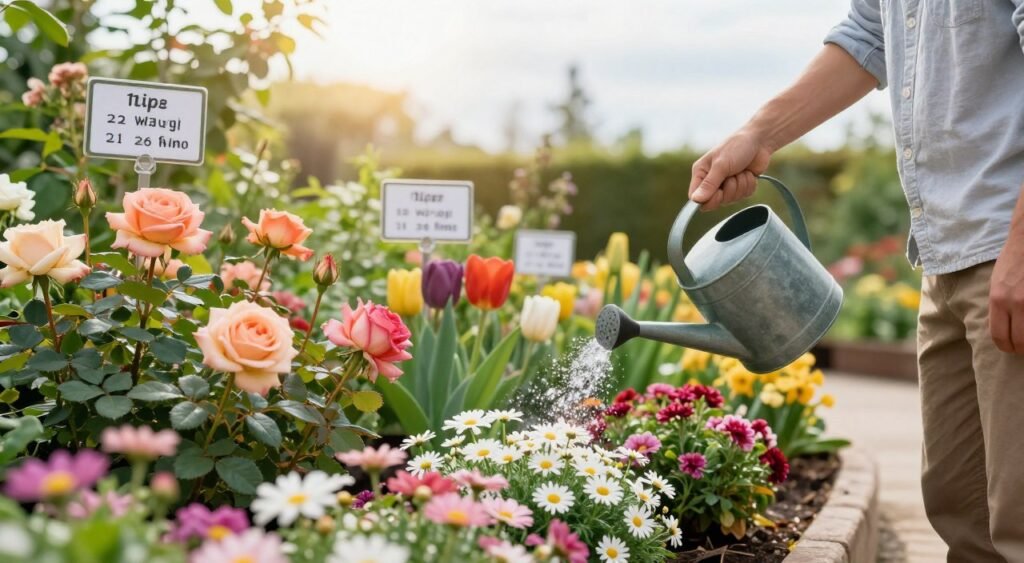
Assessing Soil Type and Drainage Capacity
Good flower garden maintenance starts with the soil. Different soils hold water in different ways. This affects how often you need to water.
Try this simple test: dig a hole and fill it with water. If it drains fast, your soil is sandy and needs more water. If it holds water for hours, your soil is heavy and needs less water.
| Soil Type | Drainage Speed | Water Retention |
|---|---|---|
| Sandy Soil | Fast | Low |
| Loamy Soil | Moderate | Excellent |
| Clay Soil | Slow | High |
Identifying Signs of Under-Watering and Over-Watering
Your plants will tell you what they need if you know how. Under-watered plants look wilted and have dry leaves. They need more water to get better.
But, too much water is bad too. Look for yellow leaves and soft stems if your plants are getting too much water. Always check the soil before watering to avoid problems.
The Role of Mulch in Moisture Retention
Using the right soil moisture management tools makes a big difference. A two-to-three-inch layer of mulch keeps the soil cool and moist. It also stops weeds and improves soil health.
Mulch saves water and helps your garden look great. It keeps the soil moist, so your flowers can bloom without stress. Consistency is truly the key to a beautiful garden.
The Best Watering Schedule for Garden Flowers During Spring
Learning the best watering schedule for garden flowers in spring is key. Spring brings a special time for your garden to grow. Watching your plants closely helps them grow well, even when the weather is not steady.
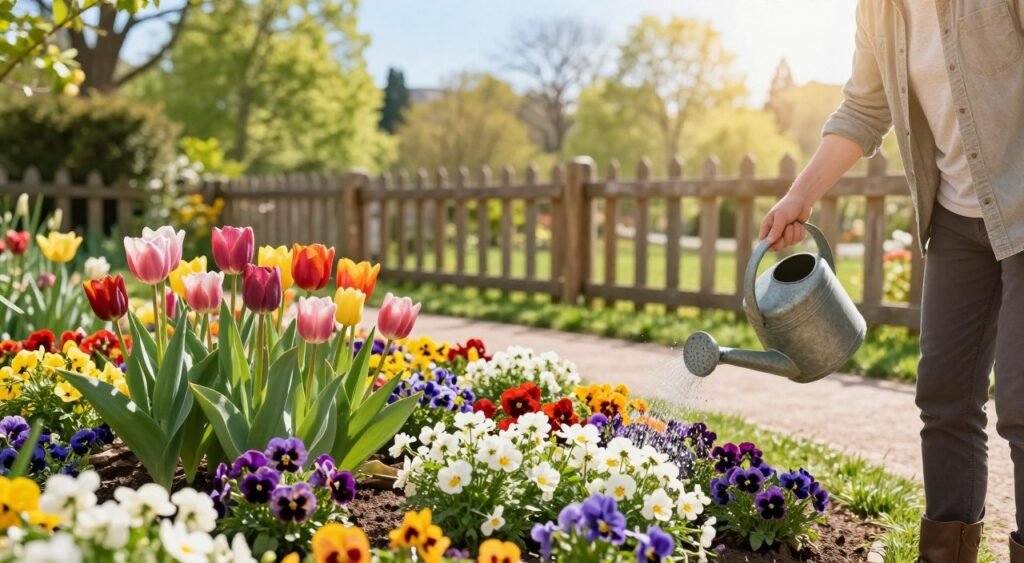
Adjusting to Fluctuating Temperatures and Rainfall
Spring weather can change fast, going from warm to cool. This spring gardening guide says don’t stick to a set watering plan. Check if the soil is dry before watering.
Spring rains can make watering less often. Make sure the top two inches of soil are dry before watering. This stops roots from getting too wet in sudden rains.
Watering Needs for Newly Planted Spring Bulbs
New bulbs need steady moisture to grow roots. Good seasonal plant care means keeping the soil moist but not wet. If the soil feels dry, give the bulbs a gentle water.
Bulbs don’t like too much water. Make sure the soil drains well to stop rot. A little extra care now will lead to beautiful flowers later.
Preventing Fungal Issues in Damp Spring Conditions
Early spring is often cool and wet, perfect for fungi. To keep your garden safe, focus on seasonal watering adjustments that avoid wetting leaves. This stops mold and mildew.
Watering in the morning is best. It lets any extra water on leaves dry off quickly. Keeping your garden dry and well-ventilated helps prevent spring diseases.
Mastering Summer Irrigation for Thriving Blooms
Learning how to water your garden in summer is key. When it’s hot, plants can get stressed and wilt. The best watering schedule for garden flowers keeps your garden looking great.
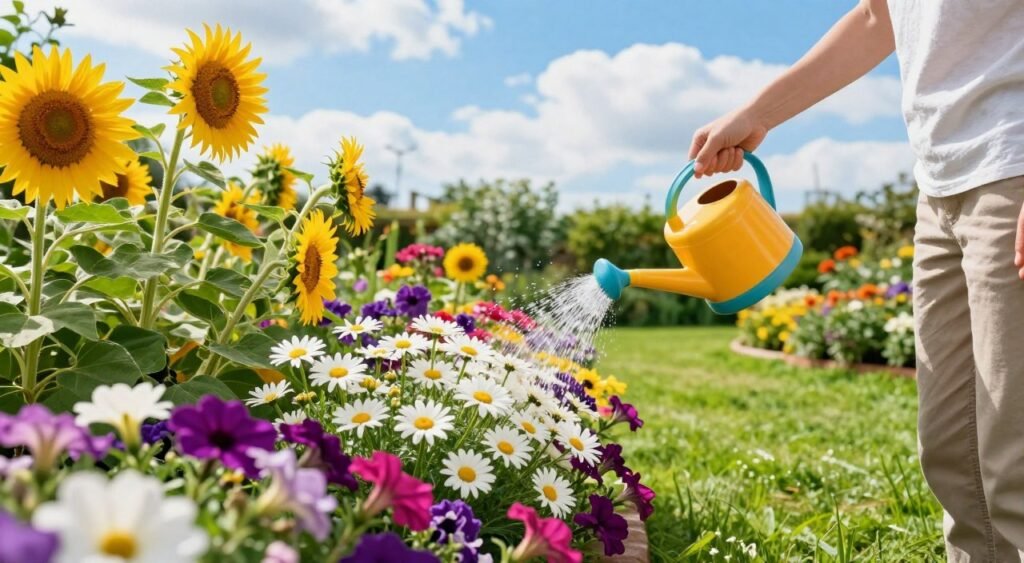
Determining the Optimal Time of Day to Water
Watering in the early morning is best. It lets the soil soak up water before it evaporates. This helps prevent plants from drying out and keeps them healthy.
Techniques for Deep Root Soaking
Deep root watering makes plants stronger. Instead of shallow waterings, give them a good soak. This helps roots grow deeper and survive heat better.
Using Drip Irrigation Systems
Drip systems are great for saving water. They water the roots directly, reducing waste. They’re perfect for big gardens where it’s hard to water evenly.
Manual Watering Best Practices
When watering by hand, water at the base of the plant. Don’t get the leaves wet to avoid burning them. Use a slow flow to prevent soil erosion.
Managing Heat Stress in Delicate Flower Varieties
Some plants get stressed in the heat. Give them shade or mulch to keep the soil cool. Watch your plants closely to catch any problems early.
| Method | Efficiency | Best For |
|---|---|---|
| Drip Irrigation | High | Large flower beds |
| Soaker Hoses | Medium-High | Rows and borders |
| Manual Watering | Low-Medium | Potted plants |
Adapting Your Watering Routine for Autumn Transitions
When it gets cooler, your plants start getting ready for winter. Your watering needs to change too. By adjusting your routine, your garden will stay healthy and strong.
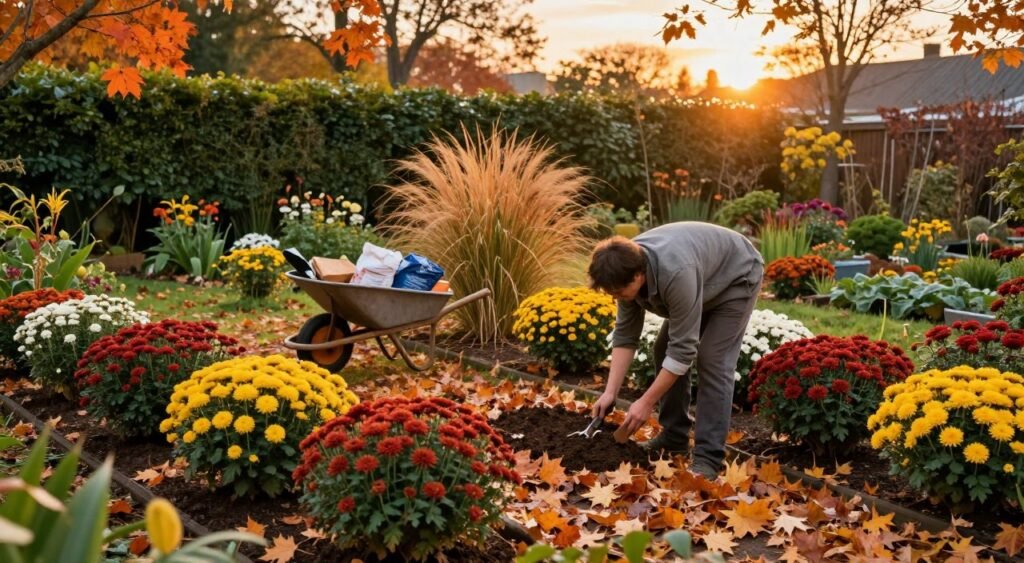
Reducing Frequency as Temperatures Drop
Shorter days mean less water for your plants. Start watering less often to keep roots healthy. You still need to keep the soil moist, but not as much as in summer.
Check the soil moisture before watering. If it’s damp, wait a few more days. This helps prevent root rot as the soil gets colder.
Preparing Perennials for Winter Dormancy
Your perennials are getting ready for winter. They’re focusing on growing roots instead of leaves. Keep the soil moist but not too wet during this time.
«Nature does not hurry, yet everything is accomplished.»
Make sure your perennials are well-watered before the first frost. If it’s dry, give them a good soaking. This helps them stay strong when spring comes.
Watering Requirements for Late-Season Annuals
Late-season annuals like pansies keep blooming in the cool weather. They need regular water to stay colorful. Here are some tips:
- Check the soil every day, as wind can dry it out fast.
- Water in the morning so leaves can dry before night.
- Don’t water from above to avoid fungal diseases in cool, damp air.
By paying attention to these needs, your flowers will bloom until the end of the season. A little extra care now helps your garden stay healthy.
Winter Care and Protecting Your Garden Flowers
Keeping your garden bright in spring starts with winter plant protection. Many think their garden is fine when it’s cold. But, staying vigilant keeps your flowers healthy and ready to bloom.
When to Water During Dry Winter Spells
Even when it’s cold, plants can still dry out. Wind can take moisture from plants, causing damage. If the soil isn’t frozen, give it a light water to keep it moist.
Check soil moisture by digging a few inches down. If it’s dry, a gentle water soak in the afternoon helps. Proper hydration stops winter damage in your garden.
Protecting Container Flowers from Frost Damage
Potted flowers face special challenges because their roots are exposed. Unlike ground plants, watering container plants needs careful handling to avoid freezing roots. Move sensitive pots to a safe place like a porch or garage to protect them from wind.
If moving pots isn’t possible, wrap them in burlap or bubble wrap. This keeps the soil warm. Make sure pots drain well to avoid ice damage.
Monitoring Soil Moisture in Unheated Greenhouses
Greenhouses can get hot on sunny days, drying out soil quickly. Watch these spaces closely to avoid drought stress. Check moisture levels at least once a week.
Water plants in greenhouses at the base to keep leaves dry. This stops fungal problems in humid air. Keeping soil moist helps your flowers survive winter.
Essential Tools and Equipment for Efficient Watering
Using the right garden hydration tips and tools makes watering fun. The right tools make watering your garden better and save time.
Choosing the Right Hose and Nozzle Attachments
A good hose is key for watering. Choose one that doesn’t kink and can handle the sun and cold.
Get a nozzle that changes patterns. It’s great for watering different plants. You can use it for soft mist or strong streams.
Benefits of Using Soaker Hoses
Soaker hoses are amazing for efficient garden irrigation. They give water slowly to the soil. This cuts down on evaporation and keeps plants healthy.
«The most effective way to nurture a garden is to provide deep, consistent moisture directly to the root zone, where plants need it most.»
Put soaker hoses under mulch. This makes sure water gets to the roots. It’s perfect for hard-to-reach areas.
Integrating Moisture Sensors for Precision
Moisture sensors help you water right. They check soil moisture and tell you when to water.
These garden watering tools keep your plants just right. You won’t guess if they need water anymore.
| Tool Type | Primary Benefit | Best Use Case |
|---|---|---|
| Adjustable Nozzle | Versatility | Potted plants and hanging baskets |
| Soaker Hose | Deep root delivery | Flower beds and borders |
| Moisture Sensor | Precision monitoring | Preventing over-watering |
Troubleshooting Common Watering Challenges
Even the most dedicated gardeners face unexpected hurdles when trying to maintain a perfect watering routine. While you may follow a strict schedule, external factors like soil composition or water quality can disrupt your efficient garden irrigation efforts. Addressing these obstacles early is the best way to ensure your plants remain healthy and vibrant throughout the growing season.
Dealing with Hard Water and Soil Salinity
Hard water contains high levels of minerals like calcium and magnesium, which can accumulate in your garden beds over time. This buildup often leads to soil salinity, creating a crust on the surface that prevents water from reaching the roots. You might notice white deposits on your pots or stunted growth in your favorite flowers.
To combat this, consider installing a water softener or using a rain barrel to collect softer, natural water. Regularly flushing your soil with distilled water can also help leach out excess salts. Keeping an eye on these mineral levels is vital for long-term garden soil health.
Correcting Drainage Issues in Clay-Heavy Soils
Clay-heavy soils are notorious for holding too much water, which can lead to root rot and other fungal diseases. Improving your soil moisture management starts with amending the earth to create better aeration. Adding organic matter like compost or aged manure helps break up dense clay particles.
You can also incorporate coarse sand or grit to improve the structure of the soil. Raised beds are another excellent solution if your native ground is too heavy to drain properly. These simple changes allow oxygen to reach the roots, which is essential for strong plant development.
Managing Water Runoff on Sloped Garden Beds
Gravity often works against you when watering sloped garden beds, causing water to pool at the bottom while the top remains dry. Improving flower bed drainage on a slope requires slowing the flow of water so it has time to soak into the ground. Installing small terraces or using stone retaining walls can create flat areas that hold moisture effectively.
Applying a thick layer of organic mulch is another effective strategy to prevent erosion and runoff. The mulch acts as a sponge, capturing water before it can wash away down the hill. By creating these barriers, you ensure that every drop of water serves its purpose.
| Common Problem | Primary Cause | Recommended Solution |
|---|---|---|
| Soil Salinity | Mineral buildup | Flush with fresh water |
| Poor Drainage | Heavy clay content | Add organic compost |
| Water Runoff | Steep garden slopes | Install mulch or terraces |
Customizing Your Schedule Based on Flower Varieties
Learning flower garden maintenance means knowing that not all flowers need the same water. Grouping plants by their water needs makes your care routine easier. This way, every flower gets the right amount of water.
Drought-Tolerant Flowers vs. Moisture-Loving Species
Good drought-tolerant flower care starts with knowing which plants can handle dry times. Plants like lavender or sedum have special features to save water.
On the other hand, plants like hydrangeas or impatiens need lots of water. They will wilt if the soil gets too dry. Keep these plants together so you can water them more often.
| Plant Type | Watering Frequency | Soil Preference |
|---|---|---|
| Drought-Tolerant | Low | Well-draining |
| Moisture-Loving | High | Consistently damp |
| Average Needs | Moderate | Balanced |
Container Gardening Watering Requirements
When watering container plants, remember they dry out faster than plants in the ground. This is because their roots are trapped and the soil is exposed to air.
Check your containers every day in the summer. If the top inch of soil feels dry, give them a good soaking. Water should flow out of the bottom holes.
Watering Needs for Hanging Baskets and Vertical Planters
Watering hanging baskets is very challenging. These baskets lose water quickly because they are exposed to wind and sun from all sides.
- Check twice daily: Hanging baskets may need water in the morning and evening during summer.
- Use a wand: A long-reach watering wand helps you water high baskets without a ladder.
- Monitor weight: A light basket means your plants are thirsty and need water right away.
Vertical planters also need careful watching. Water drains fast from the top to the bottom. Make sure the bottom isn’t too wet while the top is dry. By watching closely, your vertical plants will stay bright all season.
Conclusion
Creating a vibrant landscape needs care and watching closely. Your ability to change with your plants’ needs is key. This makes your garden look great all year.
You know how to keep soil right and adjust with the seasons. Every change you make shows you care about your garden. It makes your outdoor space special.
Brands like Orbit or Rain Bird help a lot. But your personal touch is the most important. Listen to your garden and watch its health.
Be proud of your garden’s growth. It shows your hard work and patience. Share your garden with others to inspire them.
Always try new things and get better at gardening. A beautiful garden brings joy and beauty to your home every day.