
Do you dream of a garden filled with vibrant flower blooms that catch every neighbor’s eye? Achieving that lush, colorful landscape starts long before you pick up your trowel. The secret lies beneath the surface in the ground itself.
Understanding how to prepare soil for flowering plants is the most critical step in your gardening journey. Your garden bed acts as the foundation for everything you grow. When you invest time in building a healthy environment, you ensure your blossoms stay strong and healthy all season long.
Many gardeners overlook this vital phase, yet it remains the primary factor in long-term success. By following these professional techniques, you create a nutrient-rich home that supports vigorous growth. Let’s dive into the simple steps that will transform your outdoor space into a stunning floral masterpiece.
Understanding Your Garden Soil Composition
The secret to beautiful flowers is in your garden soil composition. Not all earth is the same. Your soil is key for every flower to grow well.
Identifying Your Soil Type
Find out your soil type by a simple touch test. Hold a handful of moist soil in your palm. If it’s gritty and falls apart fast, it’s sandy soil.
If the soil makes a tight ball, it’s clay soil. This soil holds water but can get hard. The best is loamy soil, which is crumbly and rich.
The Importance of Soil Texture
Soil texture is key for plant health. Sandy soil can’t hold fertilizers well. Clay soil can hurt roots by not letting in enough air.
Knowing this helps you improve your soil. This makes your garden better for plants.
The table below shows the main differences between soil types. It helps you know what your garden needs:
| Soil Type | Water Retention | Nutrient Level | Drainage Speed |
|---|---|---|---|
| Sandy | Low | Low | Very Fast |
| Clay | High | High | Very Slow |
| Loamy | Moderate | High | Balanced |
Improving your soil is rewarding. It leads to healthy, colorful flowers. Knowing your soil is the first step to a great garden.
How to Prepare Soil for Flowering Plants
Success in gardening starts with a good foundation. Learning how to prepare soil for flowering plants is key. It sets the stage for a season of vibrant growth.
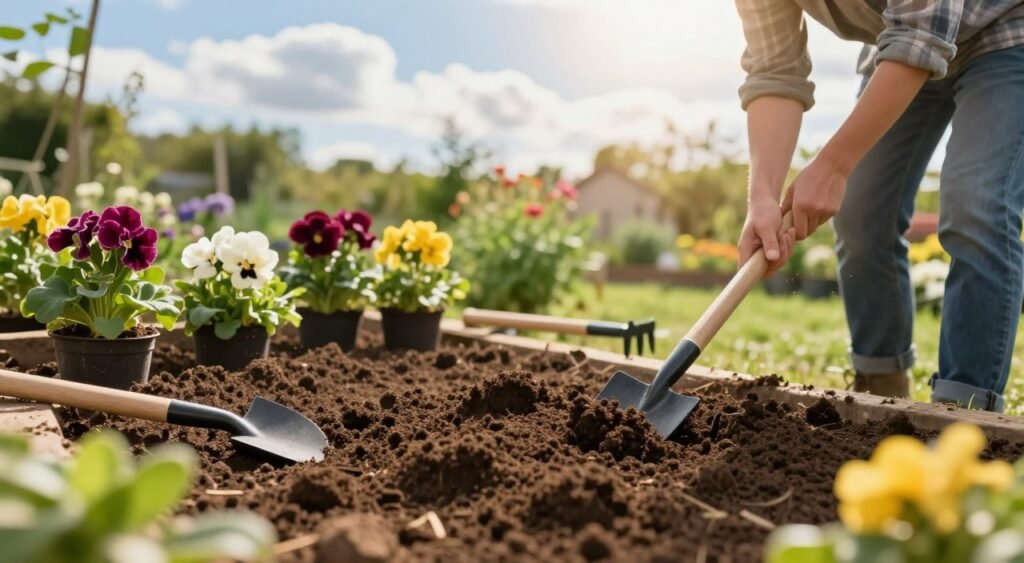
Assessing Your Current Garden Conditions
Before digging, check your garden’s needs. Watch how sunlight moves across your yard. Most flowers need at least six hours of direct light.
Check your drainage after a heavy rain. If water stands for more than a few hours, you might need to change the soil. Identifying these issues early is crucial.
Gathering Necessary Tools and Materials
Having the right tools makes work easier. Gather everything before starting. A tidy workspace helps you stay focused.
The table below lists the tools you’ll need for soil preparation.
| Tool or Material | Primary Purpose | Frequency of Use |
|---|---|---|
| Garden Fork | Breaking up compacted soil | High |
| Shovel | Moving soil and compost | High |
| Garden Rake | Smoothing the surface | Medium |
| Wheelbarrow | Transporting amendments | Medium |
With these tools ready, you’re on your way to a beautiful garden. Consistency and preparation are the secrets to a thriving garden.
Testing Your Soil pH and Nutrient Levels
Before planting your favorite flowers, you need to know what’s under your feet. You can’t get the right mix of garden soil nutrients without knowing your soil’s chemistry. Regular soil pH testing helps you make your garden a great place for flowers.
Using Home Testing Kits
Home testing kits are easy to find and use. They tell you if your soil is too acidic or too alkaline. This is very important for your plants.
These kits are simple. They let you test your yard in under an hour. Testing often helps you know exactly what your garden needs. Make sure to take samples from deep in the soil.
Interpreting Your Soil Test Results
After getting your results, you need to understand them. A pH that’s off can keep nutrients from your plants. If your soil is too acidic, add lime. For alkaline soil, use sulfur.
«The soil is the great connector of lives, the source and destination of all. Without proper care, the cycle of growth is broken.»
Here’s a table to help you see how pH levels affect your flowers:
| pH Level | Soil Condition | Plant Impact |
|---|---|---|
| Below 6.0 | Acidic | Best for azaleas and hydrangeas |
| 6.0 – 7.0 | Neutral | Ideal for most flowering perennials |
| Above 7.0 | Alkaline | May require sulfur to balance |
By looking at these results, you can pick the right stuff for your flowers. This makes sure your garden gets what it needs to grow well all season.
Clearing and Preparing the Planting Bed
A good garden starts with a clean space. Flower bed preparation is key for healthy plants. Clearing your area well helps your flowers grow well.
Removing Weeds and Debris
Weeds take water and sunlight from your flowers. So, removing them is very important. Here are some weed removal tips to keep your garden clean.
First, pull weeds by hand to get rid of the roots. This stops them from coming back. For big areas, use a garden fork to loosen the soil first. It makes pulling weeds easier.
Tilling Versus No-Till Methods
After clearing, you need to decide how to handle the soil. Tilling turns the soil to improve it. But, it can hurt the good stuff in the soil.
No-till methods add organic material on top of the soil. This keeps the soil healthy. The best method depends on your soil and what you want to achieve.
| Method | Primary Benefit | Best For | Effort Level |
|---|---|---|---|
| Traditional Tilling | Rapid aeration | Hard, compacted clay | High |
| No-Till Approach | Soil health preservation | Established, healthy soil | Low |
| Manual Clearing | Targeted weed removal | Small garden beds | Moderate |
Choose to till or go no-till, but be consistent. Always remember your weed removal tips. A clean bed means happy flowers.
Improving Soil Structure with Organic Matter
Starting with a strong base for your plants means adding organic stuff. Organic matter for soil makes a living space for plants to grow well. It also makes heavy clay drain better and keeps sandy soil moist.
Benefits of Adding Compost
Compost for gardens is the best way to make soil rich. It’s like a slow food for plants, giving them nutrients all season. It also adds good bugs that help plants use nutrients better.
Compost also makes soil hold together, stopping it from washing away. This makes it easier to work in your garden beds, even after just one season.
Using Aged Manure and Leaf Mold
Aged manure is great for adding nitrogen and phosphorus to your soil. These are key for green leaves and bright flowers. Make sure it’s fully composted to avoid harming your plants.
Leaf mold helps your soil keep water better. It makes the soil feel like a forest floor, helping roots grow deep. Mixing these into your soil gives your plants a rich place to grow.
| Amendment Type | Primary Benefit | Best Use Case |
|---|---|---|
| Compost | Nutrient balance | General soil conditioning |
| Aged Manure | High nitrogen boost | Heavy feeders and roses |
| Leaf Mold | Moisture retention | Sandy or dry soil beds |
Selecting the Right Amendments for Your Flowers
Choosing the right amendments can make your garden soil better for flowers. After testing your soil, you’ll know what it needs. Using the best soil amendments helps your plants grow well.
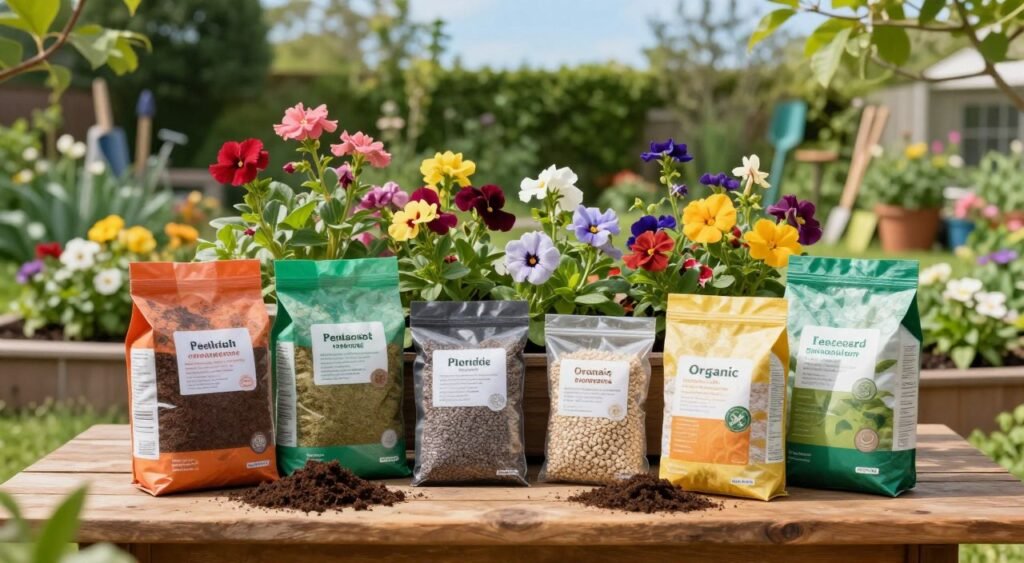
Adjusting pH with Lime or Sulfur
If your soil pH is off, your flowers might not get the nutrients they need. If it’s too acidic, add lime to make it more neutral. If it’s too alkaline, sulfur will help lower the pH.
«Healthy soil is the foundation of a beautiful garden, acting as the silent partner to every bloom you nurture.»
Adjusting the pH helps your soil balance. Follow the soil test’s advice to avoid over-correcting. This balance lets your flowers get the minerals for stunning, long-lasting color.
Adding Perlite and Vermiculite for Aeration
The physical structure of your soil is key for plant success. Compacted soil can harm roots. Using soil aeration techniques keeps the soil loose and full of oxygen.
Perlite and vermiculite improve soil texture. Perlite helps with drainage, while vermiculite keeps moisture in. Here’s a comparison to help you choose:
| Amendment | Primary Benefit | Best Use Case |
|---|---|---|
| Perlite | Increases Drainage | Heavy clay soils |
| Vermiculite | Retains Moisture | Sandy or dry soils |
| Both | Root Respiration | Container gardening |
Using these soil aeration techniques keeps your soil from being too dense. Your flowers will grow stronger and have better roots. Mix these materials well into the top few inches of your garden bed.
Incorporating Fertilizers for Optimal Growth
Getting your plants to grow well needs more than just water and sun. Giving them the right food at the right time helps them grow big and strong. Learning how to feed your soil makes your plants look great and bloom for a long time.
Understanding N-P-K Ratios
Every fertilizer has three numbers: N-P-K fertilizer ratios. These numbers show how much Nitrogen (N), Phosphorus (P), and Potassium (K) are in the fertilizer. Nitrogen makes leaves grow, Phosphorus helps roots and flowers, and Potassium keeps plants healthy.
«The soil is the great connector of lives, the source and destination of all.»
Knowing these numbers helps you pick the right fertilizer for your plants. For lots of flowers, use a fertilizer high in Phosphorus. Here’s a table to help you understand how these nutrients help your garden.
| Nutrient | Primary Benefit | Best For |
|---|---|---|
| Nitrogen (N) | Leafy growth | Foliage plants |
| Phosphorus (P) | Root and bloom | Flowering perennials |
| Potassium (K) | Overall vigor | Stress resistance |
Choosing Between Organic and Synthetic Options
Choosing between organic and synthetic fertilizers depends on what you want. Organic options like compost feed your plants slowly and make the soil better. They help create a healthy garden that keeps growing over time.
Synthetic fertilizers give plants a quick boost of nutrients. They’re good when plants look sick and need help fast. But they don’t make the soil as healthy as organic stuff. Mixing both can help your plants grow well and keep the soil healthy for a long time.
Managing Drainage and Moisture Retention
Water moves through your soil in a special way. It’s key for any gardener to find the right balance. This balance helps your plants get water without getting too wet.
By using soil drainage solutions, your flowers can grow well.
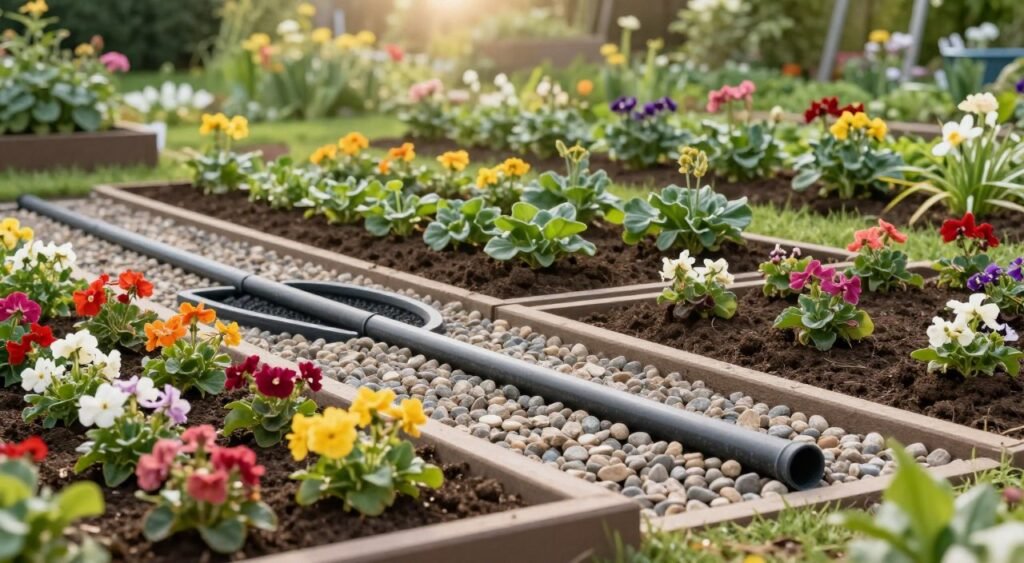
Creating Raised Beds for Better Drainage
If your garden is on heavy clay or low ground, water can pool. This can hurt your plants and cause diseases. Raised beds help keep your flowers dry.
Building raised beds lets you control the soil. You can add materials to help water drain fast. Raised beds have many benefits:
- They help roots breathe better.
- Soil warms up faster in spring.
- They make weeding and care easier.
Adding Peat Moss or Coconut Coir
Drainage is important, but so is keeping soil moist. Sandy soil dries out too quickly. Peat moss and coconut coir help keep soil moist.
«Healthy soil is the living foundation of every beautiful garden, acting as a reservoir for life and growth.»
These materials soak up water and give it to roots slowly. Here’s a table to help choose the right one for your garden:
| Amendment | Primary Benefit | Best Use Case |
|---|---|---|
| Peat Moss | High acidity | Acid-loving flowers |
| Coconut Coir | Neutral pH | General purpose |
| Compost | Nutrient boost | All soil types |
Using these methods keeps your garden’s soil just right all season. Whether you use raised beds or organic amendments, your soil drainage solutions will help your flowers bloom beautifully.
Mulching Techniques to Protect Your Soil
Using mulching for flowers is key to keep your soil safe. It stops soil erosion and weeds. It also keeps the soil temperature right for plants, protecting them from too much heat or cold.
Choosing the Best Mulch for Flowers
Choosing the right mulch depends on your garden and plants. Organic mulches are best because they add valuable nutrients to the soil as they break down.
Wood chips, shredded bark, and straw are good choices. They help keep the soil moist, which is great for plants when it’s dry. Make sure the mulch doesn’t have weed seeds or chemicals.
Applying Mulch Correctly to Prevent Rot
How you apply mulch is as important as what you use. Aim for a layer of two to three inches to block sunlight from weeds.
Don’t pile mulch right up against plants. This can trap moisture and cause stem rot and diseases. Keep a small gap to keep your garden healthy and looking good all season.
| Mulch Type | Best Use | Longevity |
|---|---|---|
| Wood Chips | Perennial beds | Long-lasting |
| Straw | Vegetable/Annuals | Short-term |
| Leaf Mold | Soil enrichment | Medium-term |
Seasonal Maintenance for Long-Term Soil Health
Keeping your soil healthy is a year-round job. It helps your flowers grow well every year. By taking care of your soil, you avoid problems like nutrient loss and soil hardening.
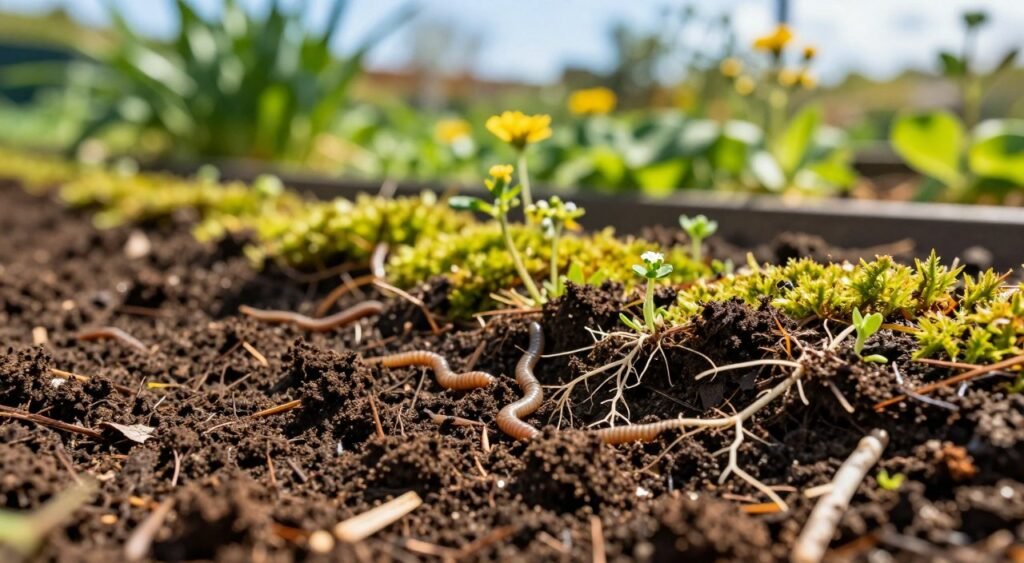
Refreshing Soil Between Planting Cycles
When you change plants, your soil gets tired. Sustainable soil maintenance means adding nutrients back. You should add fresh compost to bring back soil life.
Just turning over the top soil helps mix in compost. This breaks up hard soil. Adding organic amendments gives your new plants the minerals they need.
Winterizing Your Garden Beds
When it gets cold, your garden needs special care. Winterizing keeps soil from washing away. Use straw or shredded leaves to cover your beds.
This cover keeps soil warm and stops weeds. It makes sure your healthy garden soil is ready for spring.
Conclusion
Your journey to a vibrant landscape starts with the soil. Making your soil healthy is the best way to grow beautiful flowers.
You can turn your backyard into a colorful haven. By taking care of your soil, your flowers will grow strong all year.
Small changes can make a big difference in your plants. Taking care of your soil means your garden will look amazing for years.
What flowers do you want to plant this season? Tell us your gardening plans or share your favorite soil tips. Your stories help us all grow a beautiful garden together.