
Turning your yard into a colorful haven is simple. Think of your yard as a canvas. Add beautiful flowering plants for outdoor living spaces to show your style and increase your home’s value.
Starting with gardening is fun and rewarding. It connects you with nature and makes you feel better. Just be patient and pick the right plants to make your dream garden real.
A beautiful garden makes your home look better. It doesn’t matter if you have a little patio or a big lawn. The right plants bring color and life. Begin small, see how the sun affects your yard, and watch your garden grow into a stunning natural display for all seasons.
Assessing Your Outdoor Environment
Creating a vibrant landscape starts long before you buy your first plant. By observing your yard, you set the stage for a colorful garden design that thrives all year. Knowing your local conditions helps your plants stay healthy and strong.
Evaluating Sunlight Exposure
Sunlight is key for your flowers. Track how many hours of direct light your garden gets during the day. Morning sun is gentler, but afternoon heat can be tough on plants.
Keep a simple log of your yard’s light patterns for a few days. Note which areas are shady and which get lots of light. This helps you group plants by their light needs for better growth.
Understanding Your Hardiness Zone
The USDA Plant Hardiness Zone Map is key for picking plants that fit your climate. These zones are based on your area’s winter temperatures. Always check the zone rating on plant tags before buying.
Choosing plants that match your zone prevents disappointment. Plants meant for warmer climates may not make it through your winters. Some plants need a cold period to bloom.
Analyzing Soil Composition and Drainage
Your soil is crucial for your plants. To find out your soil type, do a simple squeeze test with moist earth. If it’s sticky, you have heavy clay soil that holds water too long.
If the soil crumbles easily, it’s likely sandy and drains too fast. A balanced, loamy soil is best for most flowers. Good drainage is key, as roots rot in waterlogged soil. Knowing these factors early is the secret to a successful colorful garden design that lasts.
Selecting Beautiful Flowering Plants for Outdoor Living Spaces
Choosing the right plants is key to a great garden. The right plants make your garden look good all year. You can pick plants that show off your style.
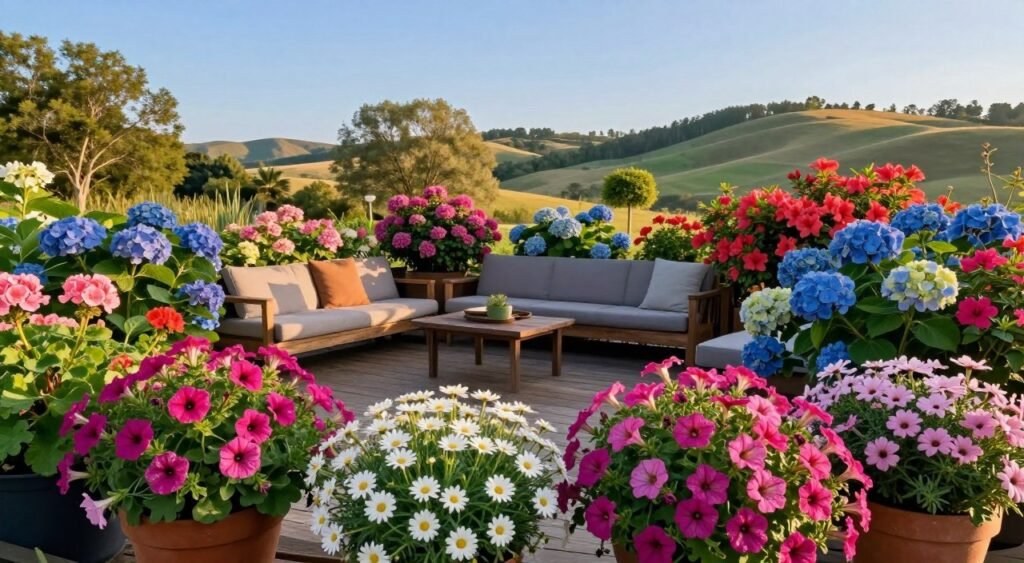
Choosing Perennials for Long-Term Color
Perennials are great because they come back every year. They grow strong roots to survive winter and bloom in spring. Taking good care of them keeps them looking good for years.
Here are some tips for perennials:
- Divide mature plants every few years to encourage vigorous growth.
- Apply a layer of organic mulch to retain soil moisture and suppress weeds.
- Remove dead foliage in late autumn to prevent disease buildup.
Incorporating Annuals for Instant Impact
Annuals give you color fast. They grow, bloom, and die in one season. Picking the right annuals makes your garden look great.
Annuals are great for adding color to your garden. They grow fast, so you can change your garden’s look often. This lets you try new colors every year.
Selecting Native Species for Low Maintenance
Using local plants is good for your garden and the environment. They grow well in your area and need less care. This means less water, fertilizer, and chemicals.
Native plants help bees and butterflies. They make your garden healthy and balanced. Choosing native plants is good for your garden and the planet.
Preparing Your Soil for Optimal Growth
Healthy soil is key for beautiful plants. By using soil preparation tips, you make your soil rich and strong. This helps your plants grow well and stay healthy.
Testing Your Soil pH Levels
First, check your soil’s pH. Most plants like a slightly acidic to neutral soil. You can buy a kit or a digital probe to test it.
If your soil is too acidic, add lime. For too alkaline soil, use elemental sulfur. Keep checking to keep your plants happy all year.
Amending Soil with Organic Matter
Organic matter makes poor soil great. Use compost, aged manure, or leaf mold. They make your soil better for plants.
Try to mix two to three inches of organic matter into the top six inches of your soil. This helps your soil be healthy and fertile. Using these soil preparation tips will make your plants bloom beautifully.
Improving Drainage in Heavy Clay Soils
Heavy clay soils hold too much water. This can hurt your plants. Don’t work the soil when it’s wet. Instead, add organic matter to help it breathe.
In tough cases, gypsum can help. It breaks up clay without changing the pH. You might also build raised beds for better air for your plants. Here’s a table of common soil amendments.
| Amendment Type | Primary Benefit | Best Use Case |
|---|---|---|
| Compost | Nutrient boost | All soil types |
| Gypsum | Improves drainage | Heavy clay soils |
| Peat Moss | Moisture retention | Sandy soils |
| Garden Lime | Raises pH | Acidic soil |
Designing Your Floral Layout
Start making your outdoor space better with garden layout planning. A good plan makes your flowers look great together. It makes your home look better too.
Using Color Theory to Create Visual Harmony
Color theory is key for a stunning look. Use colors next to each other on the color wheel for calm. Or, pick colors that are opposite each other for a bold look.
Think about the mood you want outside:
- Cool tones: Blues, whites, and soft pinks for peace.
- Warm tones: Reds, oranges, and yellows for fun.
- Neutral backdrops: Green leaves to connect colors and avoid mess.
Layering Plants by Height and Texture
Depth is important. Use plants of different heights. Tall ones in the back, small ones up front.
Texture is also key. Mix different textures to keep your garden interesting. This makes your garden look deep and rich.
Creating Focal Points with Container Gardens
Container gardening ideas are great for small spaces. Move plants to highlight the best ones. Use pretty pots to draw attention to certain spots.
Here’s how to make your containers pop:
- The Thriller: Pick a tall plant for the center.
- The Filler: Use plants that spread out for volume.
- The Spiller: Choose plants that fall over the pot’s edge.
These tips make your containers stand out. Place them right to guide the eye and make your space feel complete.
Planting Techniques for Success
Putting plants in the ground is key to a great garden. When moving plants, handle them gently. This helps them grow strong roots fast. Learning these gardening for beginners tips will help your garden grow well.
Determining Proper Planting Depth
Planting too deep or too shallow is a big mistake. Keep the top of the root ball at soil level. Burying the stem can cause rot and slow growth. Planting too high can dry out the roots fast.
Look at the nursery pot for the soil line. Dig a hole twice as wide as the pot but not deeper. This precise placement helps roots spread out.
Spacing Plants for Air Circulation
Spacing plants right is key for growth and health. Check the plant tag for spacing. This lets air move between leaves, preventing disease.
Crowded plants fight for nutrients and sunlight. This weakens stems and blooms. Spacing correctly lets each plant grow well.
Initial Watering and Mulching Procedures
Water plants well after planting. Water at the base to settle soil and help roots. This is a key part of soil preparation tips.
Then, add a two-inch layer of organic mulch. Keep it away from stems to avoid decay. Mulching keeps soil moist, stops weeds, and controls temperature.
| Planting Step | Primary Benefit | Key Action |
|---|---|---|
| Depth Control | Prevents root rot | Align with soil surface |
| Spacing | Improves airflow | Follow tag instructions |
| Initial Watering | Settles soil | Soak the root zone |
| Mulching | Retains moisture | Apply 2-inch layer |
Essential Watering Strategies
Learning to water your garden is key to a lively outdoor space. Keeping the soil moist helps plants grow strong. Knowing what your plants need keeps your garden healthy.
Determining Frequency Based on Plant Needs
Not all plants need the same water. Check the soil by sticking your finger in it. If it’s dry, it’s time to water.
Things like wind and temperature change how often you water. Watch your plants for signs of needing water. Water more often when it’s hot.
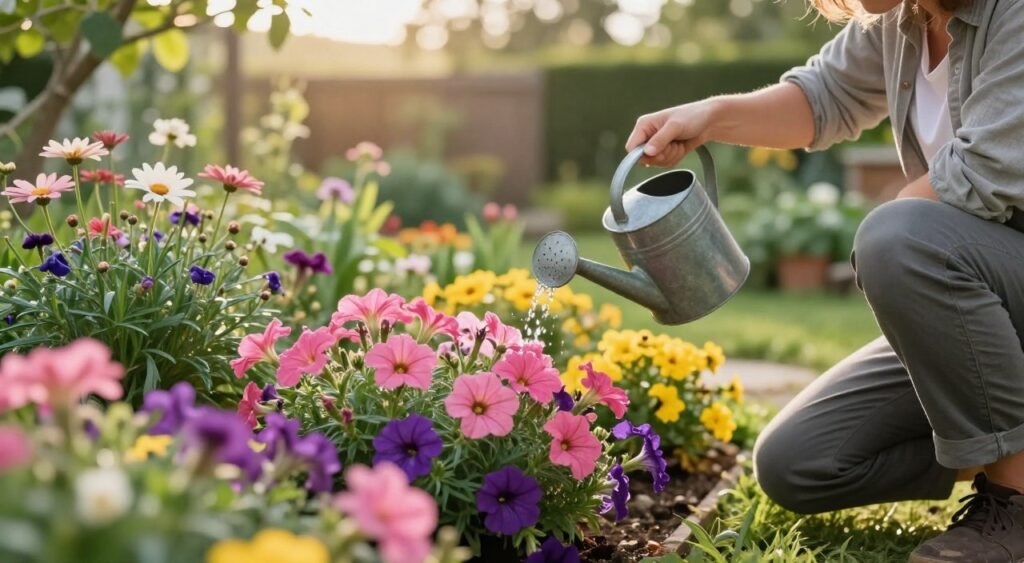
Implementing Drip Irrigation Systems
Drip irrigation sends water right to the roots. It saves water and prevents diseases. It’s a smart way to keep your plants watered.
Setting up a drip system is easy. Use flexible tubes and emitters that fit your garden. It’s great for big gardens and saves you time.
Best Practices for Watering Containers vs. In-Ground
Pots dry out fast because they have less soil. They need more water, often. Make sure pots have holes to drain water.
Plants in the ground need water less often but deeper. This helps them grow strong roots. Mulching keeps the soil moist and warm.
Fertilization and Nutrient Management
Learn how to feed your flowers right to make them bloom more. Giving them the right mix of minerals at the right time helps them bloom a lot. Use a organic fertilizer guide to make sure your plants get what they need.
Understanding NPK Ratios for Flowers
Fertilizers have three numbers: Nitrogen, Phosphorus, and Potassium. Nitrogen makes leaves green. Phosphorus is key for lots of flowers.
Potassium keeps plants strong and helps them fight off stress. For flowers, choose a fertilizer with a high middle number. This helps your garden make more petals.
Choosing Between Granular and Liquid Fertilizers
Granular fertilizers give nutrients slowly over weeks. They’re good for big gardens that don’t need much care. Liquid fertilizers work fast and are great for small gardens or when plants need a quick boost. Check an organic fertilizer guide to see which is best for your garden.
| Feature | Granular Fertilizer | Liquid Fertilizer |
|---|---|---|
| Application Speed | Slow and steady | Fast and immediate |
| Longevity | Lasts 2-3 months | Lasts 1-2 weeks |
| Best Use | In-ground beds | Containers and pots |
| Ease of Use | Easy to spread | Requires mixing |
Timing Applications for Maximum Bloom Production
Start feeding your flowers in early spring. This gives them energy for the peak blooming period.
Don’t feed too late in the season. It can make plants grow too much and get damaged by frost. Feed them regularly in the growing months to keep your garden colorful all season.
Pruning and Deadheading for Continuous Blooms
Take care of your plants to keep them healthy and blooming. Regular maintenance keeps your garden looking fresh and colorful. It stops your garden from looking tired.
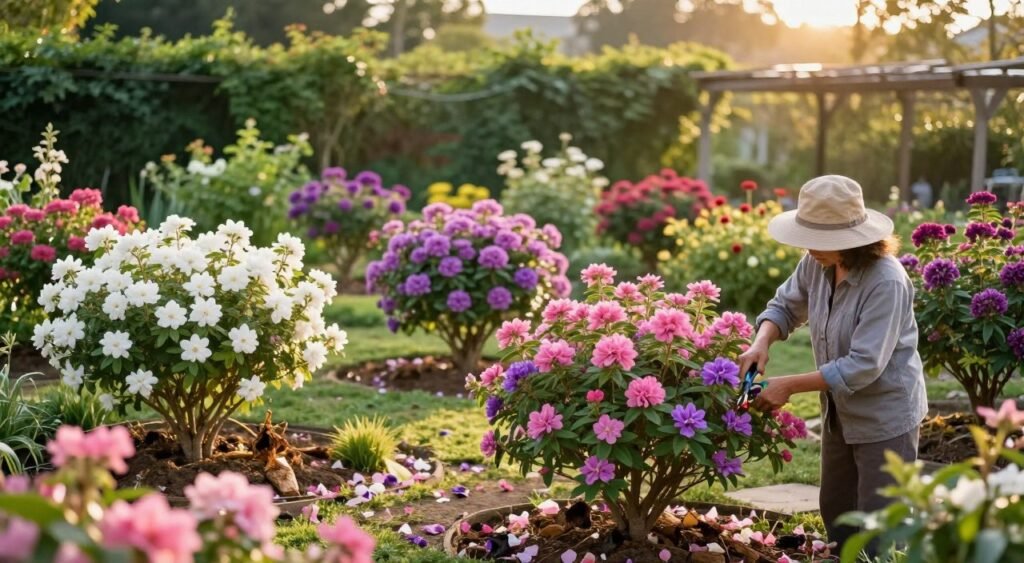
The Importance of Removing Spent Flowers
Deadheading is key in perennial flower care. It helps plants focus on growing new buds instead of seeds. This makes them bloom longer.
By removing old flowers, your garden stays bright and lively. Check your plants often to keep them looking great all season.
Techniques for Shaping and Controlling Growth
Learn to prune flowering shrubs to keep them the right size. Use sharp pruners to cut just above a leaf or bud. This helps them grow outward, not inward.
Remove dead or damaged branches to keep your plants healthy. This also makes them look better.
When to Perform Hard Pruning
Hard pruning is for older, woody plants that need a refresh. Cut back the stems a lot, usually when they’re dormant.
This makes new shoots grow in spring. But, know your plant’s needs. Some bloom on old wood and need careful timing.
| Maintenance Task | Best Time to Perform | Primary Benefit |
|---|---|---|
| Deadheading | As flowers fade | Encourages new blooms |
| Light Shaping | Mid-summer | Maintains plant form |
| Hard Pruning | Late winter | Rejuvenates old growth |
Managing Common Pests and Diseases
Keeping your garden healthy saves your flowers from harm. Watch your plants every day to stop pests early. This way, you can fix small problems before they get big.
Identifying Early Signs of Infestation
Check the undersides of leaves often. This is where pests like to hide. Look for discoloration, tiny holes, or sticky residue called honeydew. It means sap-sucking bugs are there.
If leaves start curling or turning yellow, check the stems. Look for small bugs there.
Natural Remedies for Aphids and Mites
Don’t reach for harsh chemicals when you see aphids or spider mites. A strong water spray can get rid of them. For tough cases, natural insecticidal soaps or neem oil work well. They keep pests away without harming good bugs.
Use these treatments when it’s cooler to avoid burning leaves. Consistency is key with organic remedies. Use them every few days until pests are gone. Also, keep your plants watered to fight off pests.
Preventing Fungal Issues Through Proper Airflow
Fungal diseases love damp, still air. Space your plants right to let air flow well. This helps leaves dry fast after water, cutting down on fungal problems.
If plants get too close, trim them back. Remove lower leaves that touch the soil. This stops diseases from spreading. A clean, airy garden keeps your flowers looking great all season.
Seasonal Care and Winter Protection
As autumn’s colors fade, your garden needs your help. Taking steps now keeps it strong against winter’s cold. Good care now means a healthy garden when spring comes.
Preparing Plants for Dormancy
When it gets colder, plants grow slower. Keep watering garden plants until the ground freezes. This keeps roots strong.
Put organic mulch around plants. It keeps soil warm and moist.
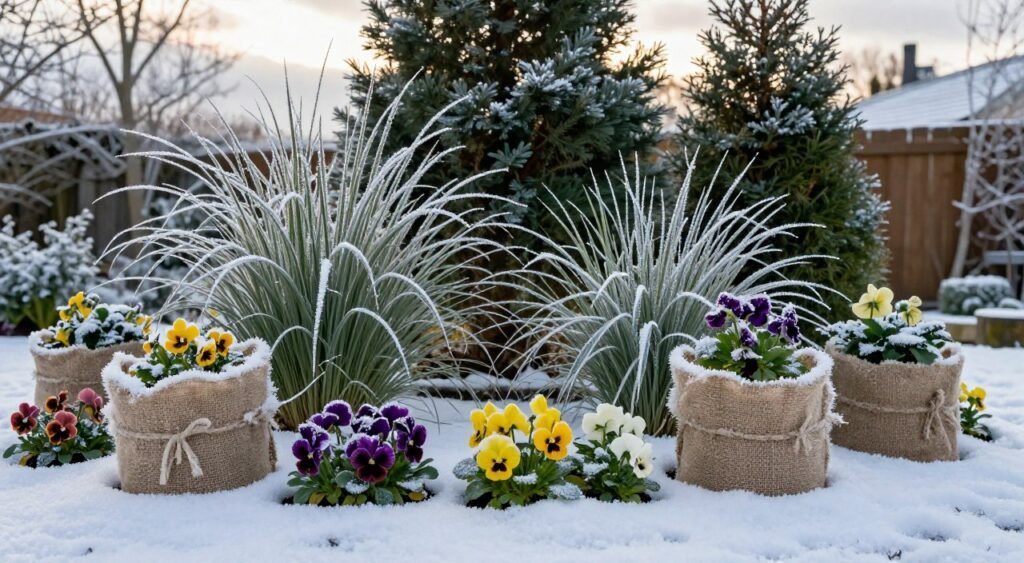
Mulch protects your garden. It keeps soil from freezing and thawing too fast. This keeps plants safe.
Protecting Sensitive Varieties from Frost
Some plants can’t handle cold. Find your most fragile ones. Cover them with burlap or frost cloths when it’s cold.
These covers keep wind and ice off. They also keep plants healthy. Don’t forget to control pests in your garden.
Spring Cleanup and Preparation Steps
When winter ends, start fresh. Remove old mulch and debris. This lets soil warm up.
Check your garden’s native plants. They need less care and help pollinators. Clean your garden well. Then, add nutrients for new growth. Use an organic fertilizer guide to help.
Creating Vertical Interest with Climbing Flowers
Vertical gardening is a smart way to use your outdoor space. It adds height and makes small areas look big. These structures are stunning architectural elements that add beauty and privacy.
Selecting Trellises and Supports
Choosing the right support is key for your climbing plants. Think about the plant’s weight when picking materials like cedar or wrought iron. Sturdy supports keep plants up, even in bad weather.
For light vines, twine or bamboo stakes work well. But, big vines need strong, lasting supports. Make sure your support is well-attached to the ground or wall.
Training Vines for Optimal Coverage
Guide your plants to get the look you want. Gently wrap stems around the trellis. If vines grow too fast, use pruning flowering shrubs to keep them neat.
Check your ties often to avoid harming the stems. Use soft tape or twine to protect new growth. This care helps your vines look full and lush.
Best Flowering Climbers for Your Climate
Choose plants that fit your local weather and sunlight. In warm places, bougainvillea or jasmine are great. In cooler areas, clematis or climbing roses are better.
Know what light your plants need before planting. Proper placement is key for a thriving vertical garden. With the right care, your flowers will be the best part of your outdoor space.
Conclusion
Creating a colorful garden is a fun journey. It mixes creativity with keeping things neat. You can make any yard a beautiful spot by planning your garden well.
Use vertical gardening to make the most of your space. Gardener’s Supply Company has great stuff for this. It makes your garden look amazing and adds depth.
It’s important to protect your plants in winter. This keeps them safe from cold. So, they’ll grow strong again when spring comes.
Your garden is like a changing art piece. Share your garden with others or keep a journal. It’s fun to see your garden grow and change.