
Do you love the excitement of rare plants? Growing flowers that bloom only once a year makes your garden special. These plants bring intense anticipation for garden lovers everywhere.
Knowing your garden bloom cycle is key. It helps you enjoy the changing seasons. Waiting for these special flowers is very rewarding.
Success needs special care and timing. Learn these tips to make your garden shine. Get ready to improve your gardening skills with our expert advice.
Understanding the Biology of Flowers That Bloom Only Once a Year
Nature has its own schedule. The world of seasonal flowers is full of secrets. Flowers that bloom only once a year need special signals to grow and bloom.
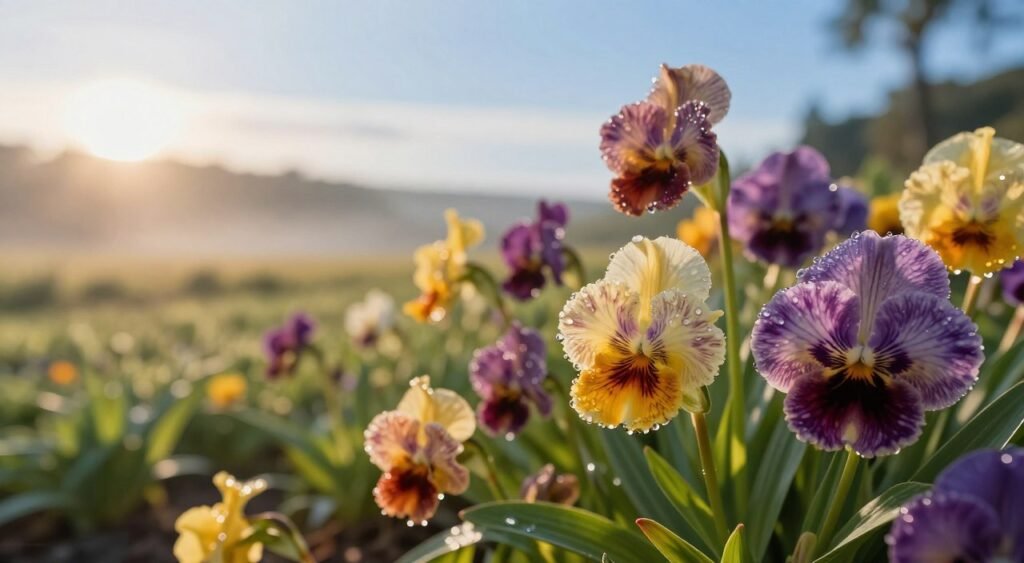
The Science of Vernalization and Photoperiodism
The vernalization process is key for many plants. They need cold weather to start blooming. Without it, they just grow leaves and roots.
Photoperiodism in plants is like a light sensor. It tells plants when it’s time to bloom. This helps them bloom when it’s best for pollination.
«The rhythm of the seasons is encoded in the very cells of the plant, ensuring that life blooms in perfect harmony with the environment.»
Why Some Plants Prioritize Longevity Over Continuous Flowering
Some plants choose to bloom big once instead of small often. This is a smart choice for them. It helps them attract more pollinators.
Here are some reasons for this choice:
- Resource Allocation: Plants save energy for a big bloom.
- Pollinator Efficiency: Many flowers at once attract more pollinators.
- Survival Tactics: Waiting for the right time helps plants avoid bad weather.
Flowers that bloom only once a year are very efficient. They wait for the best time to bloom. This helps them survive and keep their species going.
Selecting the Best Once-a-Year Bloomers for Your Climate
Learning seasonal gardening tips begins with picking the right plants for your area. Plants that grow well in your climate need less care and bloom more reliably. It’s key to match plants with your local weather.
Hardiness Zones and Their Impact on Bloom Cycles
The USDA’s hardiness zone map is your main tool. It shows zones by average winter temperatures. Knowing your zone helps pick plants that survive winter and bloom next year.
Knowing your zone also tells you when plants will bloom. Plants need cold to bloom well. If your climate is too warm, they might not bloom or survive winter.
Choosing Between Bulbs, Perennials, and Shrubs
After finding your zone, pick the right plants for your garden. Each type changes how your garden looks and how much time you spend on it. Here are three main types:
- Bulbs: They bloom first in spring, adding color early.
- Perennials: They come back every year, keeping your garden looking good.
- Shrubs: They grow tall and bloom once, making a big statement.
Combining these types makes your garden more interesting. By following these seasonal gardening tips, your garden stays beautiful. Always check what each plant needs for sun and water.
Planning Your Garden Layout for Seasonal Impact
When your favorite flowers only bloom for a few weeks, your garden layout design is key. Planning helps make your garden look great all season. By arranging your beds smartly, every part of your yard has a purpose.
Creating Focal Points with Ephemeral Beauties
To highlight your ephemeral garden plants, place them where they get noticed. Put them near paths, doors, or where you sit outside. This way, you see their beauty every time you go out.
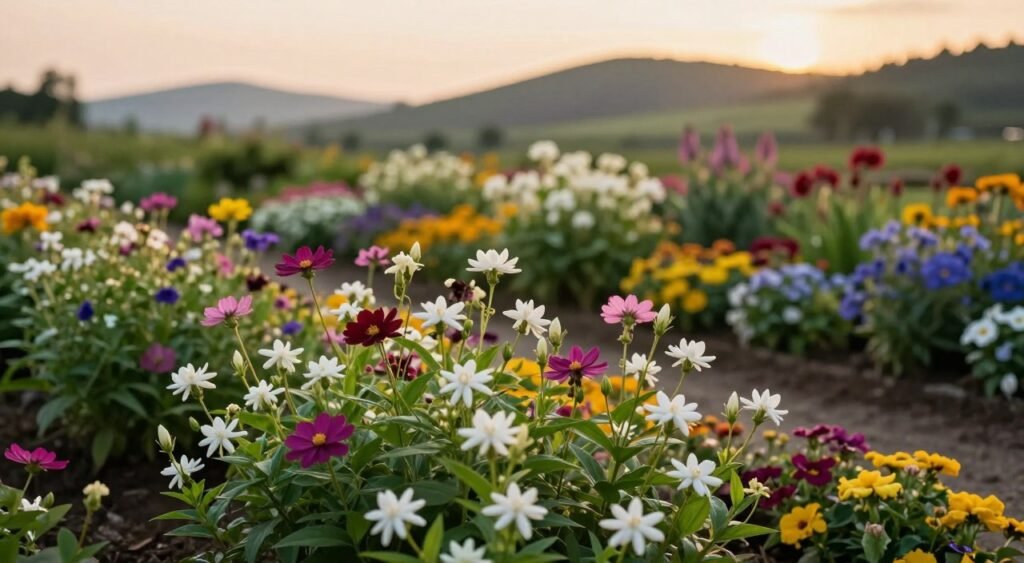
Use these plants as dramatic focal points. Put them in the center and surround with green, low-growing plants. This makes your flowers stand out. When they’re gone, the green stays, keeping your garden neat.
Layering Plants to Manage the Post-Bloom Void
The biggest challenge is the empty space after flowers fall. To fix this, layer plants with different bloom times in one bed. Put late-blooming plants behind your early ones for a smooth change.
As your main flowers fade, the later ones start to bloom. This keeps your garden full and lively all year. A layered garden means your yard always looks good, no matter the month.
Preparing Your Soil for High-Performance Flowering
Getting a great flower show starts before planting. Plants that bloom once a year need a strong base. Good garden soil preparation keeps your garden lively all season.
Testing and Amending Soil for Specific Nutrient Needs
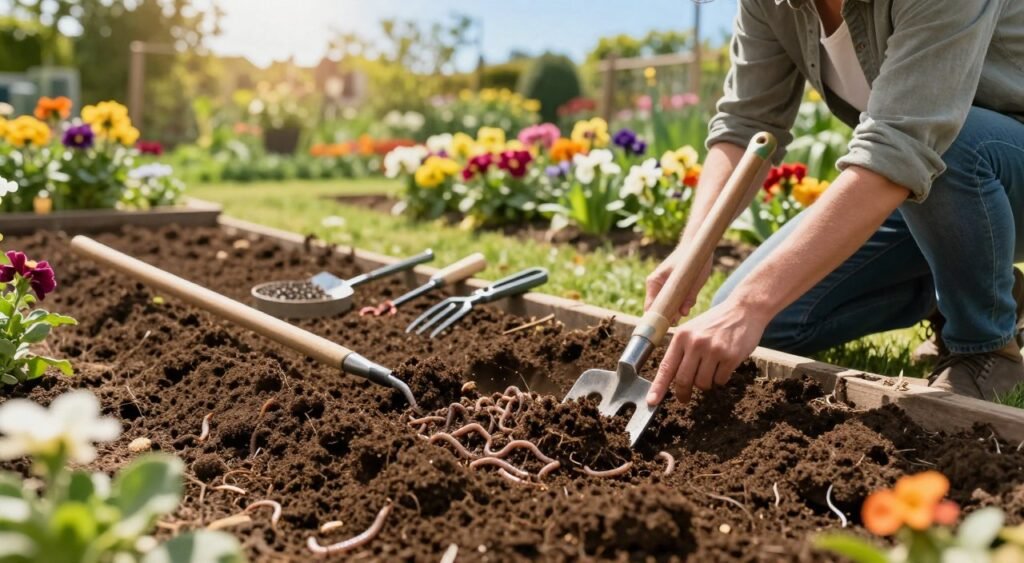
First, test your soil to find what’s missing. Many places in the U.S. offer cheap tests. These tell you about your soil’s health.
After testing, add organic stuff to make your soil better. Compost, manure, or leaf mold help roots grow strong. This gives your flowers the energy they need to bloom well.
| Amendment Type | Primary Benefit | Best Use Case |
|---|---|---|
| Compost | Improves soil structure | General garden beds |
| Bone Meal | Boosts phosphorus | Bulb root development |
| Peat Moss | Increases acidity | Acid-loving perennials |
| Garden Lime | Raises pH levels | Correcting acidic soil |
Ensuring Proper Drainage for Bulb-Based Bloomers
Many flowers from bulbs don’t like too much water. Too wet can cause rot and ruin your garden. Good soil drainage techniques keep plants healthy.
If your soil is heavy clay, add sand or grit. Or, plant in raised beds to help water drain. These steps help your flowers grow strong without getting waterlogged.
Step-by-Step Planting Guide for Annual Bloomers
Getting your garden ready is key. A good bulb planting guide helps your flowers grow strong. This makes your garden look great.
Determining the Optimal Planting Window
Planting at the right time is important. You want the soil to be just right, not too cold or hot. Consulting your local extension office helps find the best time for you.
Planting too soon can hurt your bulbs. Waiting too long can make them grow weak. Finding the middle ground is best.
Correct Depth and Spacing Techniques
Knowing how deep and far apart to plant is crucial. Plant bulbs three times their size deep. This keeps them safe and lets them grow up well.
Spacing is also key. It stops plants from getting too close. This helps them get enough food and water. Check each plant’s needs, as some like to be close, others far apart.
Tools You Will Need for Successful Planting
To plant flowers well, you need the right tools. The right tools make planting easier and safer.
- A sturdy garden trowel for digging precise holes.
- A bulb auger that attaches to a drill for larger projects.
- A soil thermometer to verify ground conditions.
- Gardening gloves to protect your skin during extended work.
- A measuring tape or ruler to ensure consistent spacing.
Essential Care During the Growth and Bloom Phase
Getting beautiful flowers takes more than just planting. It needs constant care. When your plants grow, they get ready to bloom. Good perennial plant care makes flowers big, colorful, and last longer.
Watering Strategies to Support Bud Development
Keeping buds healthy needs steady water. The soil should be moist but not too wet. Too much water can hurt the roots and slow growth.
Check soil moisture by feeling it with your finger. If it’s dry, give it a good soaking. Water at the base to keep leaves dry and prevent diseases.
«The secret to a thriving garden lies in understanding that plants are living systems that require balance, not just water and light.»
Fertilization Schedules for Maximum Floral Display
Having a flower fertilization schedule helps plants get nutrients when they need them. Before they bloom, they need phosphorus for strong buds. Don’t use too much nitrogen, as it makes leaves grow instead of flowers.
Here’s a table for feeding your plants:
| Growth Stage | Nutrient Focus | Application Frequency |
|---|---|---|
| Early Spring | Balanced NPK | Once at start of growth |
| Pre-Bloom | High Phosphorus | Every 2-3 weeks |
| Full Bloom | Maintenance | Stop fertilization |
By using this flower fertilization schedule, you help your plants bloom brightly. Remember, perennial plant care keeps your garden healthy and strong every year.
Managing Your Garden After the Flowers Fade
When flowers fade, your job changes. You now focus on keeping plants healthy. This is key for perennial plant care. Taking care of your garden in the late season helps plants survive winter.
Deadheading Versus Leaving Seed Heads for Wildlife
Many gardeners wonder if to cut off spent blooms. Deadheading flowers means cutting off old blooms. This helps plants grow more and saves energy.
But, leaving seed heads helps birds and insects. If you like a natural look, leave them until spring. A good gardener balances looks with helping nature.
Foliage Maintenance to Store Energy for Next Year
Leaves keep working even after flowers are gone. They make food for the plant. Don’t cut back leaves too soon, as it hurts the plant.
Let leaves turn yellow and brown on their own. Then, cut them back to the ground. This step helps your garden come back strong next year.
Troubleshooting Common Issues with Rare Bloomers
Even the most dedicated gardeners face unexpected hurdles when growing rare bloomers. These plants offer spectacular rewards but need special care. Catching minor issues early can prevent major setbacks.
Identifying Pests That Target Seasonal Flowers
Many insects find seasonal flowers attractive. Effective pest control for gardens starts with regular checks. Look for signs of damage like holes or sticky residue.
If you notice an infestation, try these gentle methods:
- Hand-picking: Remove larger pests like beetles or caterpillars early morning.
- Neem Oil: Use organic neem oil to deter soft-bodied insects without harming pollinators.
- Companion Planting: Plant marigolds or dill nearby to attract predatory insects.
Addressing Environmental Stressors and Bloom Failure
Sometimes, the problem is environmental stress in plants. Rare bloomers are sensitive to sudden changes. If your plants look wilted, check your local conditions.
Use this table to diagnose and solve environmental issues:
| Symptom | Likely Cause | Recommended Action |
|---|---|---|
| Yellowing leaves | Overwatering | Improve soil drainage |
| Bud drop | Temperature shock | Provide temporary shade |
| Stunted growth | Light deficiency | Relocate to brighter spot |
Consistency is key when managing these delicate species. Monitor moisture and protect from extreme weather. Proper pest control for gardens and care ensure your rare bloomers thrive.
Conclusion
Planting flowers that bloom once a year makes your garden a living calendar. It teaches you patience and connects you to nature’s cycles.
Knowing how to care for these flowers makes them thrive. Your garden becomes a showcase of beauty, thanks to your hard work.
Plan your garden with purpose. Each season is a chance to learn and grow. This makes your garden stronger and more beautiful.
Your garden shows your love for nature. Share your garden with others or keep a journal of your progress. Enjoy the wait for your favorite flowers to bloom.