
Imagine stepping into your backyard to find your garden beds sporting a brand new look. Many enthusiasts are now discovering the joy of growing colorful flowers that change color. These flowers offer a dynamic experience, changing as the season goes on.
This amazing change happens because of many things. Soil pH levels, temperature changes, and sunlight exposure all play a part. When you know about these, you can change how your garden looks.
Mastering these specimens lets you create a living masterpiece. By picking the right flowers, your garden will stay bright and full of surprises. Let’s see how you can grow these flowers that change color naturally to make your garden amazing.
The Science Behind Color-Shifting Blooms
Exploring plant pigment science can reveal garden secrets. Many gardeners marvel at flowers that change color. These color-shifting blooms are not just pretty; they’re a result of complex chemistry in each petal.
Understanding Anthocyanins and pH Levels
At the core of this magic are anthocyanins. These pigments are key to red, purple, and blue flower colors. They work like a pH indicator in a lab.
When the plant’s sap gets more or less acidic, the anthocyanin changes. This change affects how light hits the pigment, making the visible color change we see. By adjusting the soil, you can change the plant’s chemistry.
The Role of Temperature and Sunlight in Pigmentation
Environmental factors also play a big part. Temperature changes can speed up or slow down color production. When it gets hot, plants may change their color to protect themselves.
Sunlight is another key factor. More light means plants make more color as a natural shield. Learning about plant pigment science helps you predict garden changes.
Selecting Flowers That Change Color Naturally
To change your landscape, pick flowers that change color naturally. The right plants are key for a colorful garden. Each plant has its own special traits, making your garden a living art.
Hydrangeas and the Influence of Soil Acidity
Hydrangeas change color based on their soil. Acidic soil makes them blue.
Alkaline soil makes them pink or red. This lets you change your garden’s look with soil.
Lantana Varieties and Their Daily Transformation
Lantana changes colors fast. Some types turn yellow, then orange, then red.
This daily transformation makes your garden colorful. These plants are also easy to care for.
Hibiscus Mutabilis: The Confederate Rose Phenomenon
The Hibiscus mutabilis, or Confederate Rose, is very colorful. Its flowers change from white to dark pink in a day.
This phenomenon makes the Confederate Rose a garden highlight. It shows nature’s beauty in constant change.
| Plant Name | Primary Color Shift | Trigger Mechanism |
|---|---|---|
| Hydrangea | Blue to Pink | Soil pH Levels |
| Lantana | Yellow to Red | Bloom Maturity |
| Confederate Rose | White to Deep Pink | Daily Sunlight/Time |
Preparing Your Garden Soil for Color Manipulation
Knowing your soil acidity levels is key for gardeners. It helps change your plants’ colors. By controlling the soil, you can change your garden’s look.
Testing Your Soil pH Levels
First, you need to test your soil pH. This tells you what your soil is like. You can buy simple kits at garden stores to check your garden soil pH.
Take samples from different spots in your garden. Dig a few inches down. This helps you know what to do with your soil.
Amending Soil to Achieve Desired Color Shifts
After testing, you can start changing your soil. Many gardeners want to change hydrangea color. Add changes slowly to avoid harming your plants.
Using Aluminum Sulfate for Blue Hues
For blue flowers, make your soil more acidic. Use aluminum sulfate. Follow the instructions to avoid harming your plants.
Adding Lime to Encourage Pink Tones
For pink or red flowers, make your soil more alkaline. Use agricultural lime. It takes time, so be patient.
| Desired Color | Amendment Used | Effect on pH | Application Frequency |
|---|---|---|---|
| Deep Blue | Aluminum Sulfate | Lowers pH | Twice per season |
| Vibrant Pink | Agricultural Lime | Raises pH | Once per year |
| Neutral/Mixed | Organic Compost | Stabilizes pH | Every spring |
Planting Techniques for Optimal Growth
Learning to plant well is key for any gardener. It helps create a vibrant flower garden that changes and grows all season. Start your plants right to help them grow strong.
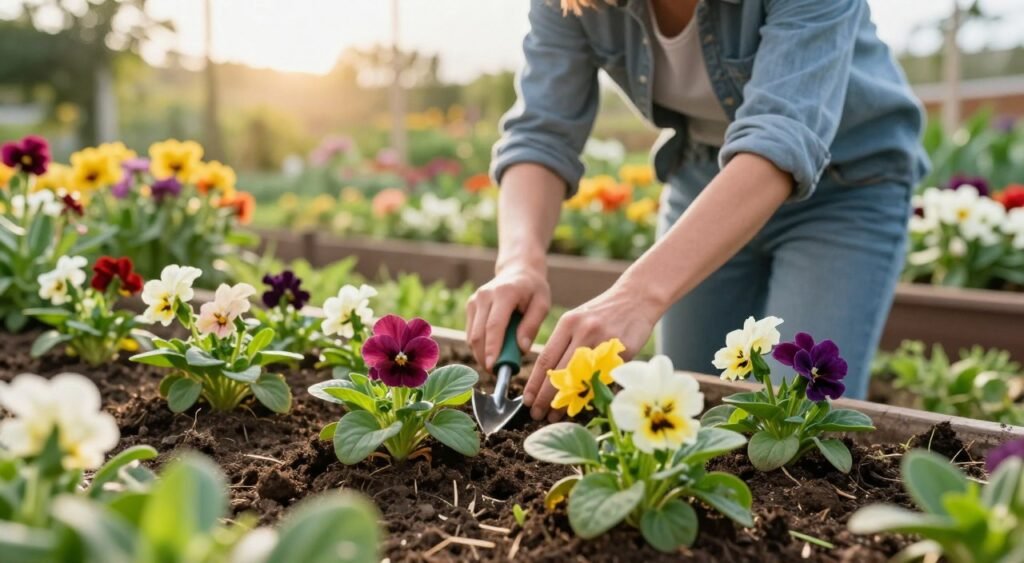
Choosing the Right Location for Light Exposure
Every plant needs different sunlight to change color. Watch your garden to find the right light spots. A plant that loves sun won’t grow well in the dark.
Always check the light needs of your plants before planting. This lets them grow the best colors and changes.
Spacing Requirements for Healthy Root Development
Spacing is key when growing colorful flowers together. Too close and they fight for food and water. This makes them weak and their blooms poor.
Follow the spacing on plant tags for good air flow. This keeps diseases away and helps roots grow strong. A spaced-out garden is a healthy one with great blooms.
Watering Strategies During the Establishment Phase
The first weeks after planting are crucial for growth. Keep the soil moist to help roots settle. Don’t let it dry out too much, or plants might get shocked.
Water gently to reach the roots deep. As plants grow, you can water less often. Here’s a table to help plan your garden:
| Plant Variety | Light Preference | Spacing Needs | Watering Level |
|---|---|---|---|
| Hydrangea | Partial Shade | 4-6 Feet | Moderate |
| Lantana | Full Sun | 1-2 Feet | Low |
| Hibiscus | Full Sun | 3-5 Feet | High |
Managing Soil pH Throughout the Growing Season
Mastering the art of color-changing blooms starts with watching your soil acidity levels. Keeping your plants happy is a journey that needs your focus all spring and summer.
Monitoring pH Fluctuations Regularly
Testing your soil pH often is key to tracking changes. Rain, water, and natural breakdown can change your soil’s chemistry. Test your soil monthly to keep it right for your plants.
- Use a high-quality digital probe for quick, real-time readings.
- Keep a detailed logbook to track changes across different garden zones.
- Test your soil after heavy rainfall, as water can leach minerals and alter acidity.
Applying Organic Amendments Safely
Choosing organic soil amendments is safe for your plants. These nutrients release slowly, feeding your plants without shocking them. Mix these amendments into the top soil, not right against the plant.
Follow these tips for safety:
- Apply compost or peat moss to lower pH levels gradually.
- Use garden lime sparingly if you need to raise the acidity levels.
- Water the area thoroughly after application to help the amendments integrate into the soil profile.
Avoiding Over-Correction of Soil Chemistry
It’s tempting to make big changes when plants don’t show the colors you want. But sudden changes can harm your plants. This is very true for hydrangea color change, as they are very sensitive.
Patience is key in the garden. Small, slow changes are better than big ones. This way, you avoid stressing your plants and keep them healthy all season.
Maximizing Color Intensity Through Fertilization
To have a vibrant flower garden, you need more than water and sun. You also need to feed your plants right. This helps them grow strong and show off their colors.
Selecting the Right NPK Ratios
When growing colorful flowers, the right mix of Nitrogen, Phosphorus, and Potassium is key. Too much Nitrogen can hurt the color of your flowers. Look for fertilizers with more Phosphorus and Potassium to help your flowers bloom brightly.
- Balanced formulas: Good for general maintenance during the early season.
- Bloom boosters: Higher phosphorus ratios are ideal once the plant begins to set buds.
- Slow-release options: These provide a steady stream of nutrients, preventing sudden growth spurts that can dilute color.
The Impact of Phosphorus on Bloom Vibrancy
Phosphorus is like energy for your plants. It helps them make the colors in flowers. Follow these flower fertilization tips to keep your plants full of energy.
Without enough phosphorus, flowers might look dull or not grow big. Vibrancy is directly linked to the plant’s ability to process energy efficiently. Make sure your soil has enough phosphorus for the best colors.
Timing Your Fertilizer Applications
When you feed your plants is as important as what you feed them. Start feeding in the spring when plants grow fast. This gives them nutrients when they need them most.
Feed your plants often but not too much. This helps them grow well and prevents stress. Watch your plants for signs they need more food, like changes in leaf color or growth.
Environmental Factors That Influence Color Changes
The air around your plants is as important as the dirt they grow in. Soil chemistry is key, but the air around them affects color. Knowing these factors helps gardeners get the best results.
Protecting Plants from Extreme Heat Stress
High heat can damage plant colors. When it’s very hot, plant colors can fade or change too quickly. Keep the soil cool with mulch during summer.
Shading plants from the hottest sun helps too. This keeps colors bright and prevents damage. It’s a simple way to help plants grow well, even when it’s hot.
Managing Shade and Light Cycles
Light is crucial for plant growth and color. Too much light can make colors fade. Not enough light stops plants from showing their best colors.
Watch your garden to see how light changes. Move plants or use shade cloth to control light. This keeps colors bright and plants healthy.
The Effect of Humidity on Pigment Expression
Humidity affects plant colors too. High humidity makes colors look richer. But very dry air can make them duller. This is part of plant pigment science that gardeners often miss.
To control humidity, make sure air moves well in your garden. In dry places, group plants together. This creates a better environment for color-shifting blooms. Watching these changes helps you control colors in your garden.
Pruning and Maintenance for Continuous Blooms
Keeping your garden blooming is easy with a few simple steps. Regular care keeps your plants looking great. This makes your outdoor space a vibrant flower garden all season.
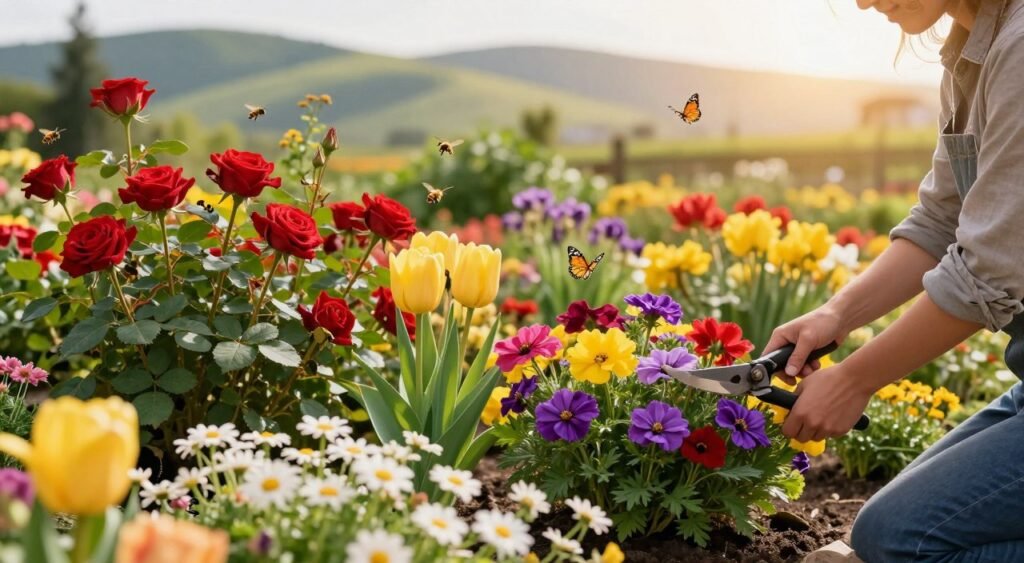
Deadheading to Encourage New Growth
Deadheading is key for flower bloom maintenance. It’s important to do it often. By cutting off old flowers, you stop the plant from making seeds.
This lets the plant make more buds. It keeps your garden looking lively and colorful.
Seasonal Pruning Schedules for Different Species
Each plant needs pruning at different times. For many, light pruning after the first big bloom is best.
Don’t prune too much late in the season. It can hurt new growth when it gets cold. Always check what your plant needs.
Sanitation Practices to Prevent Disease
Keeping your garden clean is crucial. Remove leaves and debris to stop fungus. This keeps your plants healthy.
Wash your pruning tools with rubbing alcohol. This stops diseases from spreading. With good care and flower fertilization tips, your garden will stay strong.
Troubleshooting Common Issues in Color-Changing Plants
Fixing problems in your garden is key to keeping your flowers that change color naturally happy. Even with great care, issues can pop up. Spotting these early helps fix them before it’s too late.
Identifying Nutrient Deficiencies
When your plants don’t change color right, it might be because of soil acidity levels. Not enough iron or magnesium stops color changes. Check your soil if leaves turn yellow or petals look pale.
Soil pH that’s off can stop plants from getting what they need. Fixing this balance is key to bring back the colors. Always follow expert advice when changing soil to avoid harming roots.
Dealing with Pests That Affect Bloom Quality
Keeping an eye on pests is part of flower bloom maintenance. Aphids, thrips, and spider mites love new buds. They suck sap, making flowers look bad and colorless.
Use soft, organic sprays or neem oil to fight these pests. Stay away from strong chemicals that hurt good bugs. Check leaves often to catch pests early.
Correcting Stunted Growth and Fading Colors
Stunted growth means your plants might be stressed or have bad roots. If flowers are small or colors fade, check your flower fertilization tips. Too much fertilizer can hurt, so be careful.
Make sure plants get enough water and light. These affect how colors change. Slow growth? Look for root rot or compacted soil. A healthy, draining spot helps plants look their best.
| Symptom | Potential Cause | Recommended Action |
|---|---|---|
| Pale, washed-out petals | Incorrect soil pH | Test soil and adjust acidity |
| Deformed or chewed buds | Aphid or thrip infestation | Apply organic insecticidal soap |
| Stunted, slow growth | Nutrient deficiency | Apply balanced, slow-release fertilizer |
| Brown, crispy leaf edges | Heat or water stress | Increase watering and provide shade |
Advanced Techniques for Gardeners
Learning about color-shifting blooms is like moving from simple gardening to a science. You start to control things more precisely. This means you can change things around your plants in new ways.
Container Gardening for Precise pH Control
Container gardening lets you control your soil very well. You can use pots to keep your plants separate. This way, you can change the garden soil pH exactly as you want.
This method works great because it stops soil changes from spreading. Testing your soil pH is easier when you’re in a container.
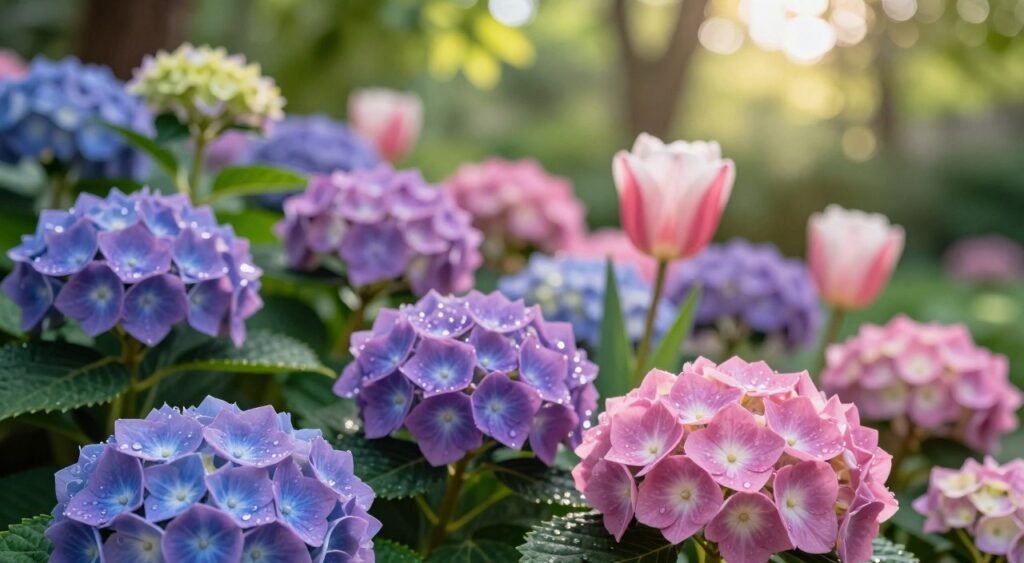
Creating Microclimates for Sensitive Varieties
Some plants change color easily and don’t like big changes. You can make a safe spot for them in your yard. This keeps them healthy and colorful.
Using things like cold frames or windbreaks helps keep the temperature right. These protective barriers keep your plants looking their best all season.
Documenting Color Changes for Future Planning
Good gardeners keep a journal like scientists. It helps them remember when and how plants change colors. This way, they can plan better for next year.
Write down when you test your soil pH and what you add. This information helps you make your garden even better next year. It turns your garden into a predictable masterpiece.
Safety Precautions and Best Practices
Working on your garden should keep you healthy and the environment safe. Follow garden safety practices to enjoy your time outside. This way, you avoid risks.
Handling Garden Chemicals Responsibly
When you change soil pH, you use special additives. Always choose organic soil amendments to stay safe. Read labels to know how to use and store them.
Keep gardening products in their original containers. This is to keep kids and pets safe. Never mix chemicals, as it can be dangerous. Also, throw away empty containers properly to protect water.
Protecting Pollinators in Your Garden
A good garden needs healthy bees, butterflies, and other insects. Use pollinator-friendly gardening to keep your garden healthy. Don’t spray chemicals when pollinators are busy.
Use specific treatments to avoid harming other insects. A diverse garden is better for everyone. Healthy soil means stronger plants and more visitors.
Personal Protective Equipment for Gardeners
Wearing the right gear is key to staying safe. Always wear gloves with organic soil amendments to avoid skin problems. If you’re working with dust, a dust mask is a must.
Safety glasses are important when mixing or applying fertilizers. Good gear shows you care about yourself and the environment. Here’s what you need for different tasks.
| Task | Recommended Gear | Safety Priority |
|---|---|---|
| Mixing Soil Amendments | Gloves and Mask | Respiratory Protection |
| Applying Fertilizers | Gloves and Glasses | Skin and Eye Safety |
| Pruning and Cleanup | Sturdy Boots and Gloves | Physical Injury Prevention |
| General Maintenance | Sun Hat and Long Sleeves | UV Exposure Reduction |
Conclusion
Creating flowers that change colors is a fun way to show your creativity. You now know how to mix art and plant science. This makes your flower bed a moving picture.
Keeping your flowers healthy is key. Check the soil and light to help them grow. This way, your garden will always look amazing.
Keeping your garden safe is important. Always be careful with garden tools and wear the right clothes. This makes your garden a safe and beautiful place.
By gardening for pollinators, you help the environment and enjoy beautiful flowers. Bees and butterflies will thank you for the food. Your garden becomes a colorful, living space every day.