
Have you ever wondered how flowers protect themselves from pests? Nature has given plants smart ways to stay safe. These ways help your plants grow strong, even when insects try to eat them.
Knowing these secrets is key for gardeners at home. By learning these tips, you can take better care of your garden naturally. This approach helps you avoid using harmful chemicals and work with nature instead.
Protecting garden flowers means understanding their strength. When you use these natural ways, your flowers stay bright and healthy all season. This way, your garden grows well and helps local animals, keeping your plants safe and strong.
Understanding How Flowers Protect Themselves from Pests
The secret to a healthy landscape is in plant defense mechanisms. Flowers have learned to fight off pests over millions of years. By learning from them, you can help your garden thrive.
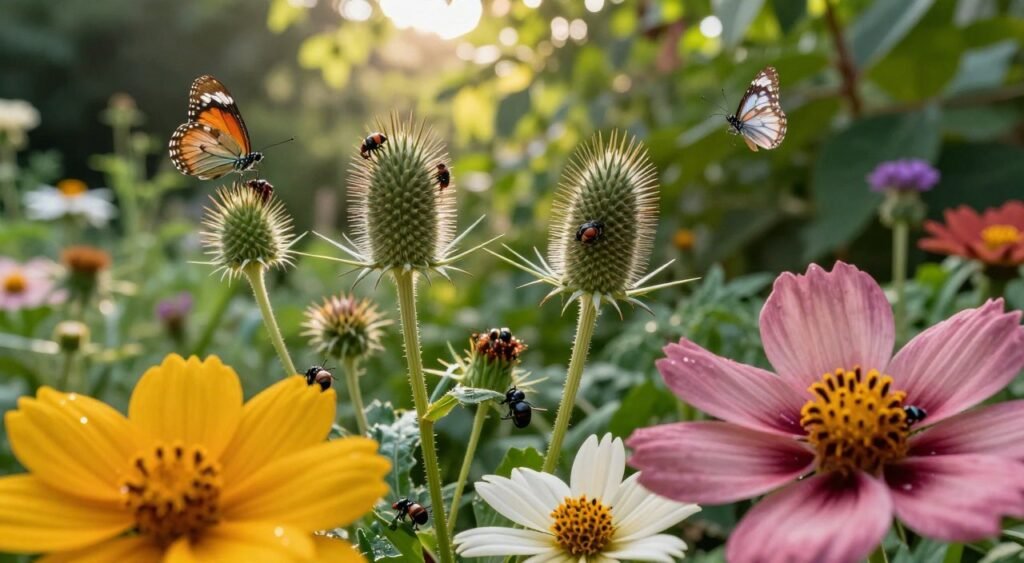
The Evolutionary Strategy of Plant Defense
Plants don’t just sit there when insects come. They have dynamic responses to stay alive and grow. This battle has made plants keep getting better at defending themselves.
When you focus on garden pest control, you’re using nature’s plan. Choosing plants that can fight off pests helps your garden. This way, you don’t need to use harmful chemicals.
Distinguishing Between Physical and Chemical Barriers
To be a great gardener, you need to know about two main defenses. Plants use physical changes and chemical tricks to keep pests away.
Physical barriers are like walls for plants. Chemical defenses make plants taste bad or even poisonous to pests. Knowing this helps you help your plants fight off pests naturally. This is key to good garden pest control that fits with nature.
Identifying Physical Defense Mechanisms in Your Garden
Your flowers have a secret system to stay safe. They use physical plant barriers to fight off hungry insects. By looking at these features, you can see how plants stay healthy on their own.
The Role of Trichomes and Hairs
Many plants have tiny hairs called trichomes on their leaves and stems. These hairs make it hard for small insects to get to the plant. Some hairs even trap pests with sticky stuff.
Thorns, Spines, and Prickles as Deterrents
Big animals don’t like plants with sharp parts. Thorns, spines, and prickles keep animals away from your flowers. These parts are not just for looks; they help protect the plant.
How Structural Barriers Discourage Herbivores
These barriers make it hard for insects to eat plants. It costs them more energy to try. Nature is a master of efficiency, so plants that are hard to eat are often ignored.
«The plant is a fortress, and its architecture is its primary weapon against the relentless pressure of the insect world.»
Waxy Cuticles and Leaf Toughness
The outer layer of a leaf is called the waxy cuticle. It keeps moisture in and insects out. With tough leaves, your garden stays strong all season.
| Defense Feature | Primary Function | Target Pest |
|---|---|---|
| Trichomes | Create physical distance | Aphids and mites |
| Thorns | Prevent large grazing | Mammals and beetles |
| Waxy Cuticle | Repel moisture and pests | Piercing insects |
| Leaf Toughness | Resist chewing damage | Caterpillars |
Exploring Chemical Warfare in Floral Species
Your garden is a secret battle zone. Flowers look soft but have a strong defense. They use chemical plant defenses to fight off hungry insects.
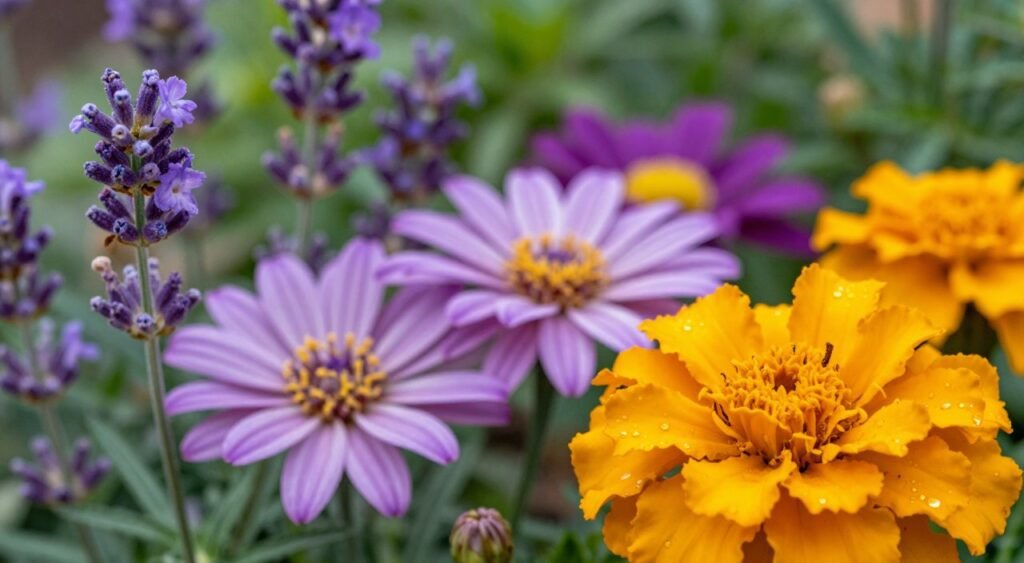
Secondary Metabolites and Their Functions
Plants make special compounds called secondary metabolites. These are not needed for basic growth. But they help protect plants from being eaten.
Alkaloids and Terpenoids Explained
Alkaloids and terpenoids are two main types of these compounds. Alkaloids are found in plants like foxglove and poppies. Terpenoids give plants their smells and oils.
How Toxins Affect Common Garden Pests
These substances keep pests away with floral pest deterrence. When pests eat these plants, the toxins harm them. This teaches the pests to stay away from that plant.
Volatile Organic Compounds for Signaling
Plants also send signals through the air. When attacked, they release chemicals as a warning. This tells other plants to get ready and can even attract beneficial predators to fight pests.
Recruiting Beneficial Allies for Natural Pest Control
By letting certain insects into your garden, you start a strong team for pest control. Your garden becomes a safe place for beneficial insects for gardens. This way, nature fights pests for you, cutting down on harmful chemicals.
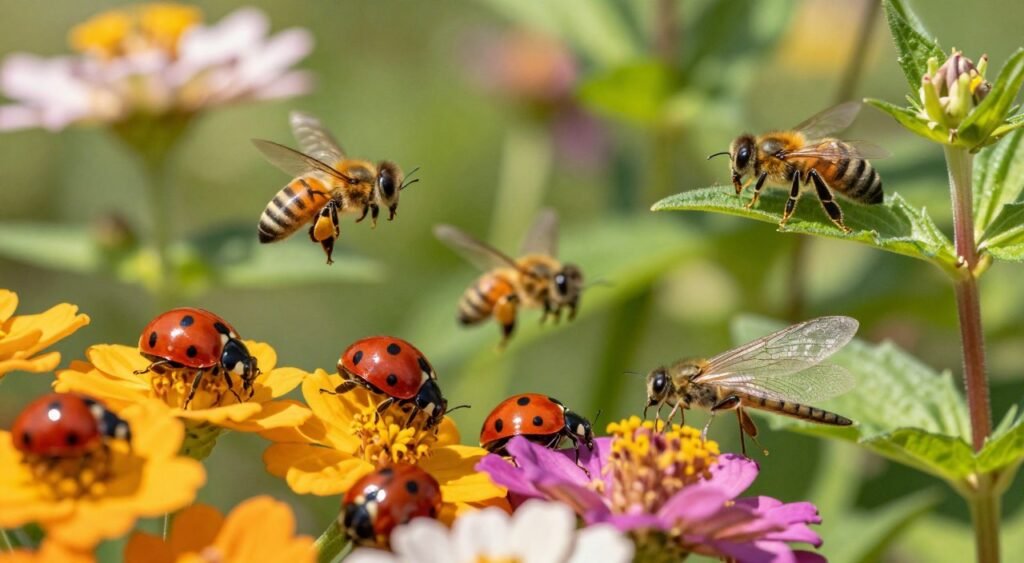
Attracting Parasitoid Wasps and Predators
Many gardeners miss the tiny helpers in their gardens. Parasitoid wasps and beetles are key to a healthy garden. They hunt pests, giving you a natural garden pest control all day.
To draw these helpers, you need a varied garden. Native flowers give them homes and food. This attracts them to protect your plants.
The Relationship Between Nectar and Pest Defense
Nectar is more than a treat for bees; it’s food for your garden’s defenders. Predatory insects need nectar to live. Planting nectar-rich flowers keeps your beneficial insects for gardens close to defend your plants.
«The best way to control pests is to create a garden that is so healthy and diverse that it manages itself.»
This relationship helps your garden stay safe. You give them what they need, and they keep pests away. This natural garden pest control is good for the planet and works well.
How Flowers Signal for Help During Infestations
Plants fight back when pests attack. They send out smells that call for help. These smells tell predators where pests are.
- Chemical Cues: Plants send out scents that attract specific wasps.
- Targeted Response: Predators show up fast to stop the pests.
- Long-term Balance: This keeps pest numbers in check.
Knowing these signals helps your garden stay strong. Just create the right space for these interactions. Working with nature makes your garden strong and full of life.
Step-by-Step Guide to Enhancing Natural Defenses
Start your journey to a great garden with these steps. Focus on care, not just treating problems. This way, your flowers can grow well on their own.
Selecting Pest-Resistant Plant Varieties
Choosing the right flowers is key. Pick pest-resistant plants to fight off pests early.
Native plants are good because they’ve lived with local bugs. They often have special traits that pests don’t like.
Improving Soil Health to Boost Plant Immunity
A strong plant starts with good roots. Keeping healthy garden soil is a top way to help plants.
Soil full of life gives plants what they need. This helps them fight off pests better.
Implementing Companion Planting Strategies
A companion planting guide helps you mix plants wisely. This creates a good team in your garden.
By placing plants together, pests get lost. This keeps your garden safe from pests.
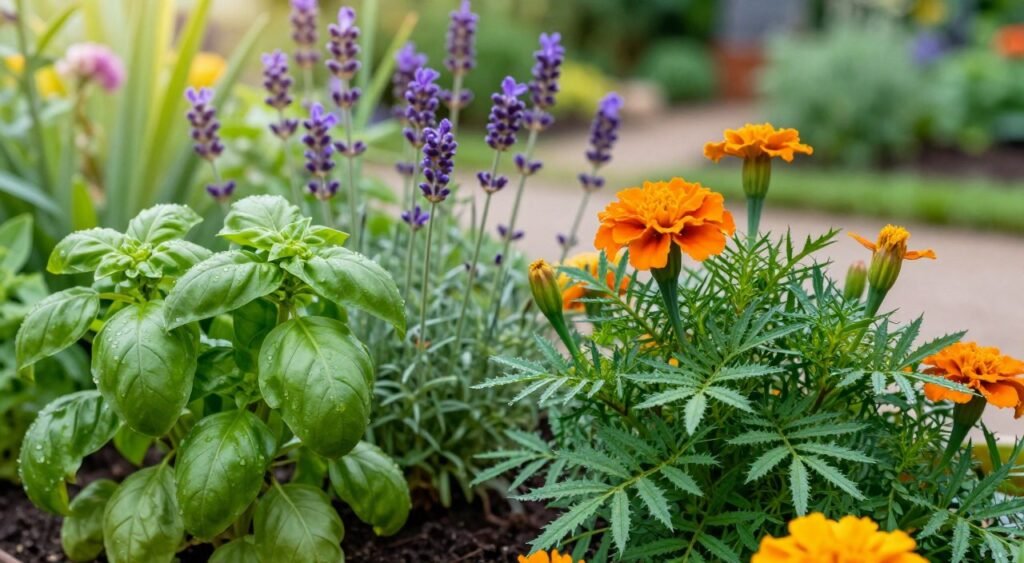
Pairing Flowers with Repellent Herbs
Some herbs protect your flowers. For example, marigolds keep nematodes away from roses.
Basil or mint can hide the scent of your flowers from aphids. Strategic pairing keeps your garden healthy and bright.
Monitoring Your Garden for Signs of Stress
Watching your plants closely is key to a great garden. Just a few minutes each day can help you catch plant stress signs early. This way, you can fix problems before they get big.
Recognizing Early Warning Signs of Pest Damage
Plants show stress in small ways. Look for yellow leaves, wilting, or holes in leaves. Stunted growth means your plant is fighting pests.
Check leaves’ undersides for insects. Sticky spots or webs mean you need to act fast. Catching problems early stops big damage.
Differentiating Between Beneficial Insects and Pests
Not all insects are bad. Learning to tell beneficials from pests is important. Ladybugs and lacewings eat aphids, helping your garden.
- Beneficials: Ladybugs, hoverflies, and parasitic wasps.
- Pests: Aphids, spider mites, and Japanese beetles.
Make sure you know what you’re dealing with before acting. Killing good bugs can lead to more pests. Watch how the insect acts before deciding what to do.
When to Intervene Versus When to Let Nature Work
You don’t always need to act fast when you see insects. A balanced garden can handle small problems itself. Wait a bit to see if natural helpers show up.
But, act quickly if plants are really stressed. If damage is spreading fast or plants are weak, you might need to use sprays or remove pests. Knowing when to help and when to wait is a gardener’s skill.
Managing Environmental Factors That Weaken Defenses
External stressors can invite pests to your flower beds. When plants face harsh conditions, their defenses weaken. By watching garden environmental factors, you can keep plants strong.
The Impact of Drought and Nutrient Deficiency
Water is key for your garden. Drought weakens plant immunity. Without enough water, plants can’t fight off insects.
Also, lacking nutrients makes plants weak. They can’t fix damage from pests.
Keep your plants watered and test the soil. A balanced environment helps plants stay strong. Healthy plants resist pests better.
Preventing Over-Fertilization and Its Consequences
Too much fertilizer harms plants. It makes them grow fast but weakly. This attracts pests.
Why Excess Nitrogen Attracts Aphids
Too much nitrogen draws aphids. It makes plant sap rich in nutrients. Aphids love this.
These pests grow fast, overwhelming your plants. Use organic pest management to avoid this. Choose slow-release organic fertilizers for steady nutrition.
Integrating Natural Defenses with Garden Maintenance
You can make your plants stronger by matching your care with their natural ways. Seeing your daily tasks as helping your plants is key. This turns simple work into a strong way to keep pests away.
Pruning Techniques to Support Plant Health
Good pruning is key for a strong garden. Cutting off dead or sick leaves stops pests from hiding. Strategic thinning also helps air move better, which keeps fungi and bugs away.
Mulching Practices for Root Protection
Using organic mulch protects your soil. It keeps moisture even and the soil temperature right. Happy plants make more chemicals to fight off pests.
Creating Biodiversity Hotspots
Good gardening is more than just caring for plants. By having areas for native plants, you attract good bugs. These bugs help keep pests away for good.
Keeping your garden balanced is important all year. Using these methods makes your garden beautiful and helps the planet. By focusing on biodiversity in gardens and following garden maintenance tips, your garden will be strong and green.
Conclusion
Your garden is a complex world where plants fight to survive. By learning about physical barriers and chemical signals, you can help them. This makes your garden strong against pests without using harsh chemicals.
Keeping the soil healthy and full of life is key. It helps your plants grow strong. This also lets good bugs help your flowers stay safe.
Watch your plants to understand how they feel. Small changes can make a big difference. Share what you learn with others to help make gardening better for everyone.