
Moving your favorite garden greenery is a rewarding task. It brings new life to your landscape. Whether you are redesigning your beds or giving your perennials more room, learning how to transplant flowers without damage is key. It ensures your plants stay healthy all season.
Expert care is crucial when moving delicate roots. By following this simple transplanting guide for beginners, you can move your blooms safely. We will guide you through each step to help your garden grow well in its new spot. Let’s start making the perfect place for your plants to thrive.
Why Timing and Preparation Matter
Success in the garden often comes down to timing. Moving a plant disrupts its roots, causing stress. Choosing the right moment helps your flowers recover and thrive.
Following garden transplanting tips keeps your plants healthy. Proper planning helps them adjust to their new home. A little patience before digging leads to vibrant blooms.
Understanding the Dormancy Cycle
The best time to move flowers is when they’re not growing. This is when they rest and their activity slows down. It’s the safest time to move them.
Identifying plant dormancy is simple. Look for signs like leaf drop or a lack of new growth. Dormant plants focus on root maintenance, not growth.
Checking Weather Conditions for Success
Even in dormancy, the weather matters. Avoid moving in extreme heat or cold. These conditions can harm the roots.
Always check the weather before moving. Choose a cool, overcast day. This helps the roots settle without drying out.
| Plant Type | Ideal Season | Key Indicator |
|---|---|---|
| Spring-Blooming Perennials | Fall | Foliage begins to fade |
| Summer-Blooming Perennials | Early Spring | New shoots appear |
| Evergreen Shrubs | Early Autumn | Soil remains warm |
| Bulbs | Late Summer | Leaves turn yellow |
Essential Tools for Safe Gardening
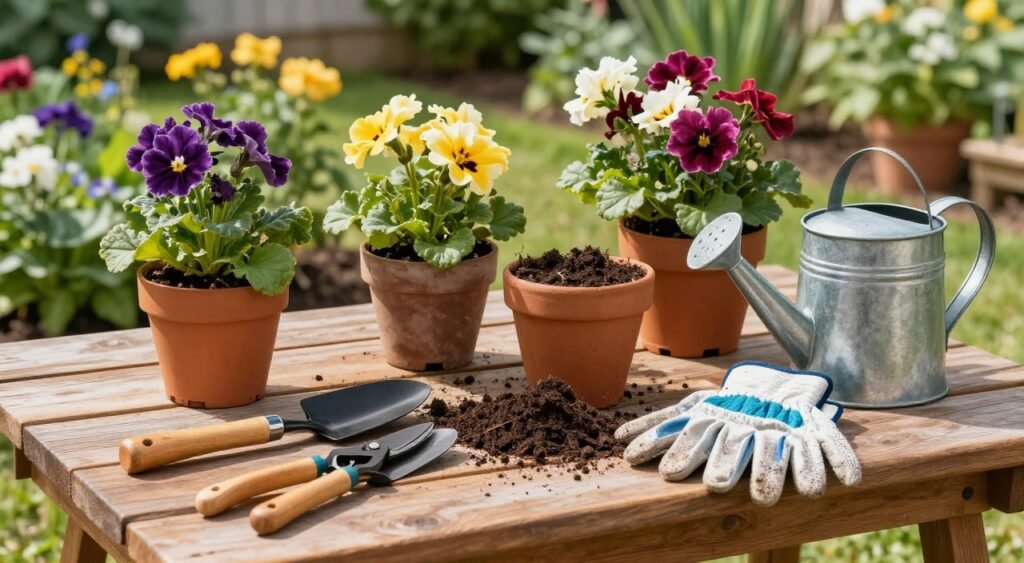
Getting ready for a successful transplant means having the right garden tool essentials. The right tools protect you and your plants’ roots. They make your work safer and more fun.
Selecting the Right Shovels and Spades
Choosing a good shovel or spade is key. Look for sharp, strong blades for clean cuts. This helps you lift plants gently, keeping their roots safe.
A long spade is great for deep digging. A short hand trowel is better for small plants. Make sure the handle is strong for a good grip. Quality tools help you work better and avoid hurting your wrists.
Using Protective Gear for Your Hands and Knees
Gardening can be tough, so protecting yourself is important. Wear tough gloves to avoid cuts and scrapes. They keep your hands safe while you work.
Don’t forget knee pads. They help when you’re on the ground for a long time. With these, gardening stays a safe and rewarding experience every time.
| Tool Type | Primary Use | Key Benefit |
|---|---|---|
| Spade | Digging and edging | Clean, precise cuts |
| Hand Trowel | Small plant moving | High maneuverability |
| Garden Gloves | Hand protection | Prevents blisters |
| Knee Pads | Joint support | Reduces physical strain |
How to Transplant Flowers Without Damage
If you want to know how to transplant flowers without damage, start with the right prep. Get your plants ready before you even pick up a shovel. This helps them recover well in their new spot.
Step One: Hydrating Your Plants Before Moving
Drinking water is key to preventing transplant shock. Start by watering your plants deeply two to three days before moving. This makes their cells full and gives them moisture for stress.
Well-hydrated plants have flexible roots. This makes them less likely to break when you lift them. Check the soil moisture every day before moving. If it’s dry, water it well to keep the roots together.
Step Two: Pruning Foliage to Reduce Stress
After hydrating, prune your plants. This helps them use energy for root recovery, not big leaves or flowers. It also cuts down on water loss.
Carefully trim off dead or damaged stems for a fresh start. Remove heavy blooms or branches to avoid stress during the move. This keeps your flowers looking good during the whole move.
Preparing the New Planting Site
Creating a welcoming home for your plants starts long before you dig the first hole. By dedicating time to evaluate your garden bed, you provide your flowers with the best possible chance to establish strong roots quickly.
Testing and Amending Your Soil Quality
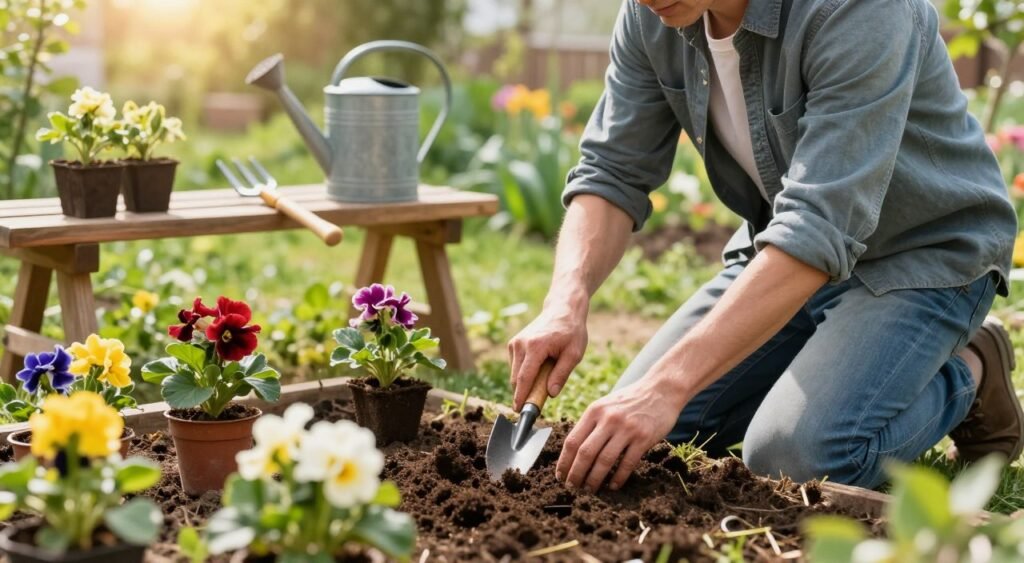
Before you begin, you should perform a simple soil test. This will tell you about your garden’s pH and nutrient levels. Preparing soil for transplanting is much easier when you know exactly what your plants need to thrive.
If your soil is too sandy or heavy with clay, you can use various soil amendment techniques to improve its structure. Adding organic matter like compost or aged manure helps create a nutrient-rich environment that encourages healthy growth.
| Soil Type | Common Issue | Recommended Amendment |
|---|---|---|
| Sandy Soil | Poor moisture retention | Add organic compost |
| Clay Soil | Compaction and drainage | Add gypsum or peat moss |
| Acidic Soil | Low pH levels | Add garden lime |
Measuring Proper Spacing for Growth
Once your soil is ready, you must consider the layout of your new garden bed. Spacing flowers correctly is vital to ensure that each plant receives enough sunlight and airflow as it matures.
Overcrowding often leads to fungal diseases and stunted development because plants compete for limited resources. Always check the plant tag or seed packet for the recommended mature width of your flowers before you start digging.
By leaving enough room between each specimen, you allow your garden to look lush without becoming a tangled mess. Proper planning at this stage prevents the need for future, unnecessary moves.
Lifting the Plant from the Ground
Getting a plant to thrive in a new spot starts with careful removal. When you move perennials safely, your garden will likely do well. This careful step helps the plant adjust fast.
Creating the Perfect Root Ball
First, mark a circle around the plant with your spade. Make sure it’s big enough to catch most of the healthy root systems. This keeps the plant’s familiar soil and microbes.
After digging, slide your spade under the plant. Lift it up carefully, keeping the soil tight around the roots. This root ball protection is key for the plant’s safety during the move.
Techniques for Minimizing Root Disturbance
When moving the plant, keep it steady. Carry it by the bottom of the root ball, not the stems or leaves. This stops the roots from breaking.
For big plants, use burlap or a tarp. It helps move the plant without harming the roots. This keeps the roots stable for a healthy start in the new spot.
| Plant Size | Root Ball Diameter | Digging Depth |
|---|---|---|
| Small Perennial | 8-10 inches | 8 inches |
| Medium Perennial | 12-15 inches | 10 inches |
| Large Perennial | 18-24 inches | 12-14 inches |
Dividing Perennials During Transplantation
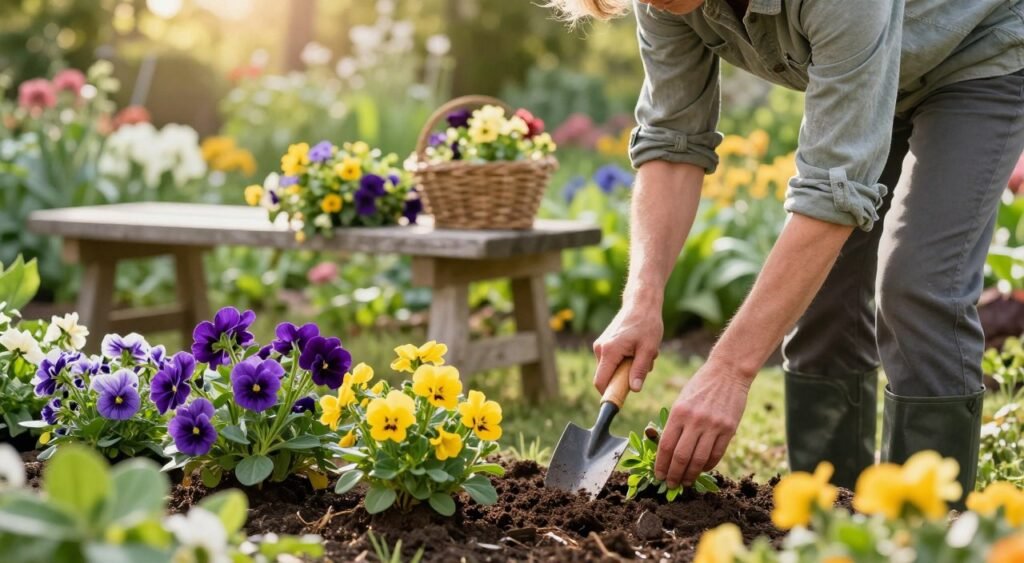
Dividing perennials is a secret for gardeners. It’s not just moving a plant. It’s rejuvenating its life cycle. This makes your garden vibrant for years.
By moving perennials safely, you manage your flower beds. Overcrowding can hurt flowering and air flow. Dividing keeps roots healthy and grows your garden.
Identifying Plants That Benefit from Division
Not all plants need dividing. Look for those with a «dead center.» These are ready for dividing garden plants.
Watch your plants in early spring or fall. If they bloom less, they need more space. Spotting this early keeps your garden lush.
Safe Methods for Splitting Root Systems
Start separating the plant once it’s out of the soil. For fibrous roots, use your hands. For dense roots, use a sharp tool.
Keep lots of roots with each section. Be patient to avoid stressing the plant. This helps your plants settle fast in their new spots.
Replanting and Settling Your Flowers
Getting your flowers settled right is key to their success. When you move them, how you put them in the soil matters a lot. Taking your time helps them grow strong in their new spot.
Setting the Correct Planting Depth
It’s important to get the plant’s height just right. If it’s too deep, it might rot. If it’s too shallow, the roots dry out fast.
Try to keep the stem base at the same level as before. Look for a color change where the roots start. This keeps your plant healthy and safe.
Backfilling and Removing Air Pockets
After placing the plant, fill the hole with soil. Use these backfilling soil tips for success. Press the soil around the roots gently to get rid of big gaps.
It’s crucial to remove air pockets. They stop roots from getting nutrients. By following these backfilling soil tips, you help your flowers flourish in their new home.
Post-Transplant Care and Watering
The days right after moving are very important for your garden. Taking good care of your plants after moving helps them heal fast. This way, they can keep blooming beautifully.
Establishing a Consistent Watering Schedule
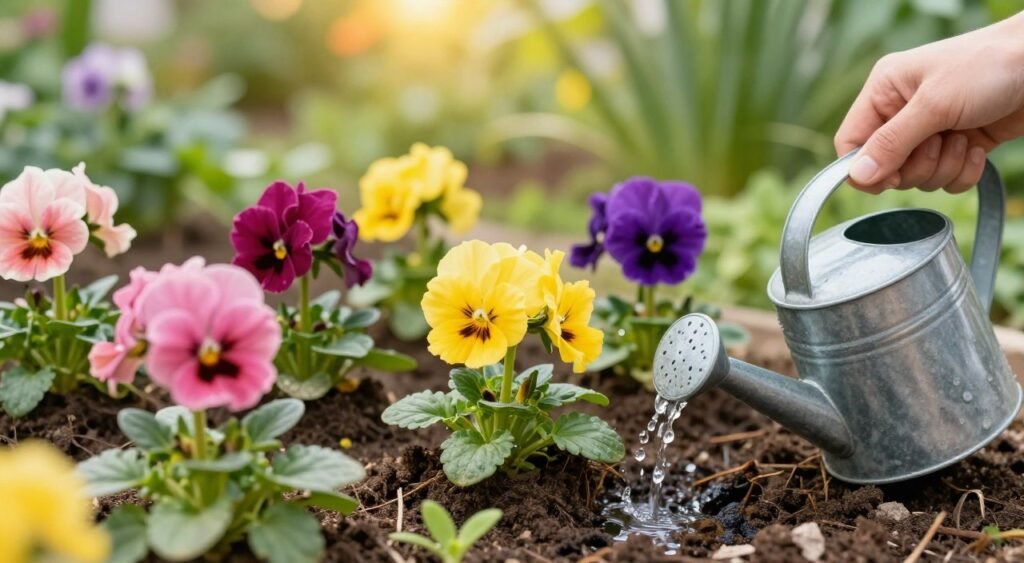
When you water your transplanted flowers, aim for moist soil. Don’t make it too wet. Roots need a steady water supply after being moved.
Check the soil moisture every day. Stick your finger into the soil about an inch deep. If it’s dry, give the soil a gentle, deep soak. This helps the roots grow in their new home.
Applying Mulch to Retain Moisture
Using organic mulch is a great way to help your plants. It keeps the soil moist by stopping water from evaporating too fast.
Mulch also keeps the soil cool and damp. This helps your plants during their recovery. It also stops weeds from growing, which can take away water and nutrients from your flowers.
Put a two-inch layer of wood chips, straw, or shredded leaves around your plants. Make sure it doesn’t touch the stem. This simple step helps your flowers grow strong roots instead of fighting stress.
Troubleshooting Common Transplant Issues
Seeing your favorite flowers wilt after a move can be very sad. Even with the best garden transplanting tips, plants may need time to adjust. Knowing how to spot these issues early helps prevent transplant shock.
Identifying Signs of Transplant Shock
The first sign is when leaves look limp or droopy. You might also see yellow leaves or early leaf drop. This is because the roots can’t absorb enough water.
Watch your garden closely after moving plants. If stems bend down, it’s okay. It’s a natural reaction to being moved.
Adjusting Care for Wilting or Yellowing Leaves
If plants look stressed, you can help them. Use shade to lower sun and water needs. This is a key garden transplanting tip for survival.
Check soil moisture every day. If it’s dry, water deeply to help roots grow. By watching and acting fast, you can help your flowers recover.
| Symptom | Potential Cause | Recommended Action |
|---|---|---|
| Drooping Leaves | Water stress | Deep, consistent watering |
| Yellowing Foliage | Root disturbance | Apply light shade |
| Stunted Growth | Transplant shock | Monitor and wait |
| Crispy Leaf Edges | Excessive heat | Increase humidity/mulch |
Conclusion
Moving your favorite flowers lets you change your outdoor space easily. This guide helps beginners move plants without harming them. It keeps your garden looking great.
You know how to care for roots and soil now. Keeping up with garden tips helps your plants stay healthy. They will bloom beautifully for years.
Look at your garden as the seasons change. Small changes in watering or mulch help plants live longer.
Share your gardening stories with friends or neighbors. They might love gardening too. Your love for plants grows with each success.
Watching your garden grow is rewarding. Your hard work makes a beautiful place. It brings happiness to your home all year.