
You can make your backyard a vibrant sanctuary. First, learn how plants and pollinators connect. This is key to a successful garden.
Choose the right plants to help local wildlife all year. This guide will show you how to make a thriving ecosystem. You’ll discover how to attract bees and butterflies with your plants. Begin today to create a space where nature thrives.
The Science of Pollinator Attraction
To really get your garden, you must look at the long history of plants and insects working together. This partnership is key to a healthy ecosystem. By understanding these relationships, you can help your garden be more diverse.
Evolutionary Relationships Between Plants and Insects
For millions of years, plants and insects have been working together. Flowers have changed to meet the needs of their insect friends. This helps both the plant and the insect to survive.
Some flowers have deep tubes for long-tongued butterflies. Bees have special hairs to pick up pollen better. These specialized physical traits help certain species stick together.
The Role of Sensory Cues in Nature
Plants send messages to bees and butterflies through color, scent, and shape. When you have many flowers, your garden becomes more lively. This makes your garden more diverse.
Bees like bright colors and UV patterns to find food. Butterflies are drawn to sweet smells and wide places to land. Knowing these scientific foundations helps make your garden a safe place for pollinators.
Understanding How Flowers Attract Bees and Butterflies
To make your garden grow, you need to learn the language of flowers. Plants talk to bees and butterflies in their own way. By knowing how flowers attract bees and butterflies, you can make your garden come alive.
Visual Signals and Color Perception
Bees and butterflies see the world differently than we do. They love blue, purple, and ultraviolet light. Many flowers have hidden patterns that only insects can see under UV light.
When picking plants, think about their colors against the green leaves. Bright colors attract pollinators. These tips are key for a lively butterfly garden.
The Importance of Floral Scents and Fragrances
The air in your garden is full of secret messages. Floral scent attraction is crucial for guiding pollinators to food. Butterflies use these scents to find food from far away.
Each plant has its own scent that guides insects. A mix of fragrant flowers makes your garden a feast for senses. This variety keeps your garden busy all season long.
Selecting the Right Plant Varieties
Choosing the right plants for your garden is key to helping bees and butterflies. The plants you pick help feed these important insects. By picking native plants for pollinators, you make your garden a great place for them.
Native Plants Versus Cultivars
Native plants and local insects have been friends for a very long time. These plants give insects the food they need. But, many plants grown for looks don’t help insects much.
These pretty plants might not have much nectar or pollen. They can even make it hard for bees to get to the pollen. Picking native plants for pollinators helps keep your garden healthy and full of life.
«The most effective way to restore ecological balance in our backyards is to replace non-native ornamental plants with species that have deep, historical roots in our local soil.»
Choosing Flowers Based on Pollinator Preferences
To make a great garden, think about what your visitors like. Bees and butterflies have different ways of finding food. You need plants of different shapes and sizes to attract them all.
Here’s a simple guide to help you plan:
| Feature | Native Plants | Common Cultivars |
|---|---|---|
| Nectar Quality | High and accessible | Often variable or low |
| Pollen Availability | Abundant and natural | Frequently sterile |
| Pest Resistance | Naturally high | Often requires chemicals |
| Ecological Value | Supports local insects | Mostly decorative |
By choosing native plants for pollinators, you make a garden that’s easy to care for. Always check with your local extension office to find the right plants for your area. This way, your garden will be a vibrant, living sanctuary for a long time.
Designing Your Garden Layout for Pollinators
Creating a good pollinator garden design means arranging your space well. It’s not just about picking the right plants. How you place them is key for insects to find your garden easily. Think like a bee or butterfly to make a garden that looks great and works well.
Creating Pollinator Corridors
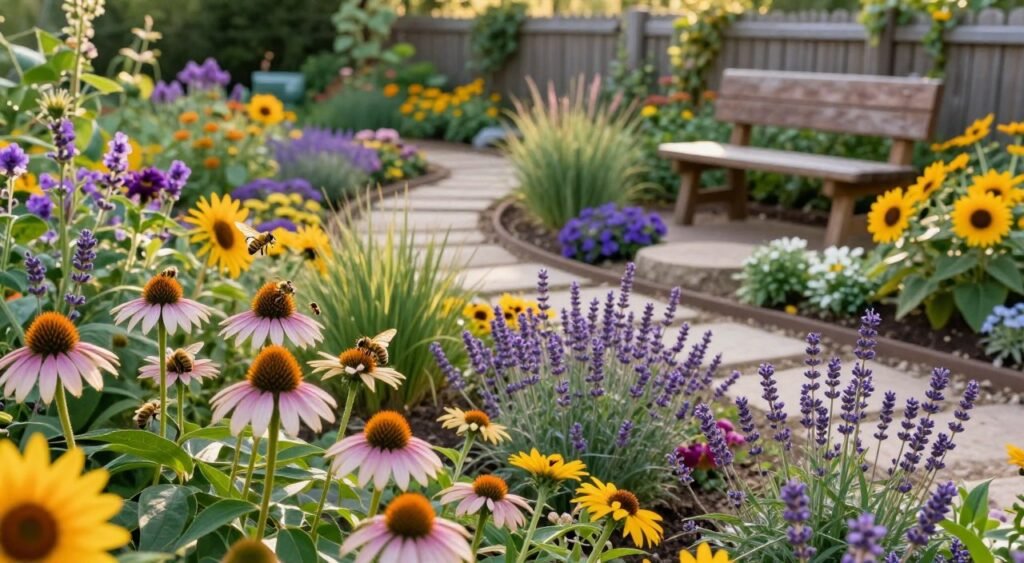
Pollinators travel far to find food. Your garden should connect to other green spaces. Plant native flowers in lines or patches to make pollinator corridors.
These paths are important for migrating species like Monarch butterflies. Linking your garden to a neighbor’s or a park makes a bigger, stronger habitat. This is key for many insects to survive.
Grouping Plants for Maximum Visibility
Insects see big, colorful flower patches better than single plants. Group the same plants together in clusters of three to five. These blocks are visual beacons that pollinators can spot from far away.
This layout saves insects’ energy. They can forage more efficiently without flying between blooms. Use the table below to see how different layouts help your garden.
| Layout Strategy | Primary Benefit | Pollinator Impact |
|---|---|---|
| Clustered Planting | High Visibility | Increased foraging efficiency |
| Corridor Linking | Landscape Connectivity | Supports migration and movement |
| Layered Heights | Structural Diversity | Provides shelter and varied access |
| Massed Color | Strong Visual Cues | Attracts pollinators from afar |
Step One: Providing Essential Nectar Sources
To make a pollinator garden thrive, start with the fuel for bees and butterflies. Nectar is their primary energy source. It gives them the sugar they need for flying, searching, and making more.
Identifying High-Energy Nectar Plants
Choose nectar-rich flowers with lots of sugar. Native plants are best for local pollinators. They are more nutritious than fancy, hybrid flowers.
Plant bee balm, purple coneflower, and salvia in your garden. They help pollinators all season long.
Understanding Nectar Production Cycles
Keep your garden healthy by knowing when plants make nectar. You want nectar available all day.
Some flowers make nectar fast, others take longer. Mix different plants to keep nectar flowing. This stops pollinators from leaving your garden.
Watch your garden to see which plants are most visited. This helps you plan better. Your garden will buzz with life all season.
Step Two: Incorporating Pollen-Rich Blooms
Nectar helps pollinators fly, but pollen is key for their growth. Many gardeners focus on sugar-rich plants. But, it’s also important to have pollen sources for bees for a healthy garden.
By adding these nutrient-rich plants, you help local insects grow and reproduce. This makes your garden a great place for them.
Why Pollen is Vital for Bee Development
Pollen is the main protein source for bee larvae. Without it, bees can’t grow healthy young. Think of pollen as the essential building material for strong bees.
Good pollen also keeps the hive healthy and strong. By choosing the right pollen sources for bees, you help your garden stay healthy. A strong hive can fight off sickness and stress better.
Selecting Flowers with Accessible Pollen
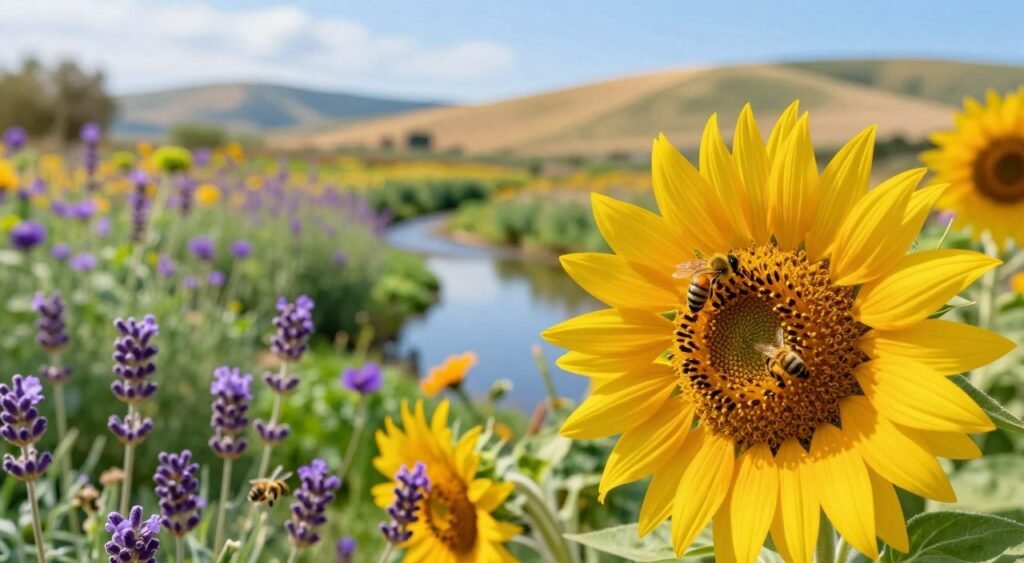
Not all flowers are good for bees. Some are hard for them to get pollen from. Look for open-faced flowers that make it easy for bees to get food.
Native wildflowers are great because they fit bees perfectly. They have accessible pollen structures that bees can easily use. This makes it easier for bees to find food in your garden.
Choose plants like sunflowers, coneflowers, and asters for lots of pollen. These plants are easy for bees to get pollen from. Adding them to your garden helps keep it a great place for pollinators all season.
Step Three: Creating Visual and Scented Lures
To make a pollinator-friendly garden, you need to see beyond what we can see. By adding special design elements, you can attract local wildlife. Strategic planning helps guide bees and butterflies to the best spots in your yard.
Using Ultraviolet Patterns to Guide Pollinators
Many flowers have ultraviolet floral patterns that bees can see but we can’t. These patterns help insects find nectar. By picking plants with these patterns, your garden will be more efficient.
Plants like sunflowers and black-eyed Susans have these patterns. Grouping these flowers together makes a clear path for pollinators. This targeted approach helps them save energy and come back often.
Strategic Placement of Fragrant Flowers
Scent is also key in attracting butterflies. Fragrant flowers send out signals in the air. By placing these near seating or paths, you can enjoy the beauty and provide a rich experience for them.
Think about the wind when placing your most fragrant plants. Lavender and phlox work best in areas with good air flow. Strategic placement makes your garden a welcoming place for pollinators from all over.
Step Four: Ensuring Continuous Bloom Cycles
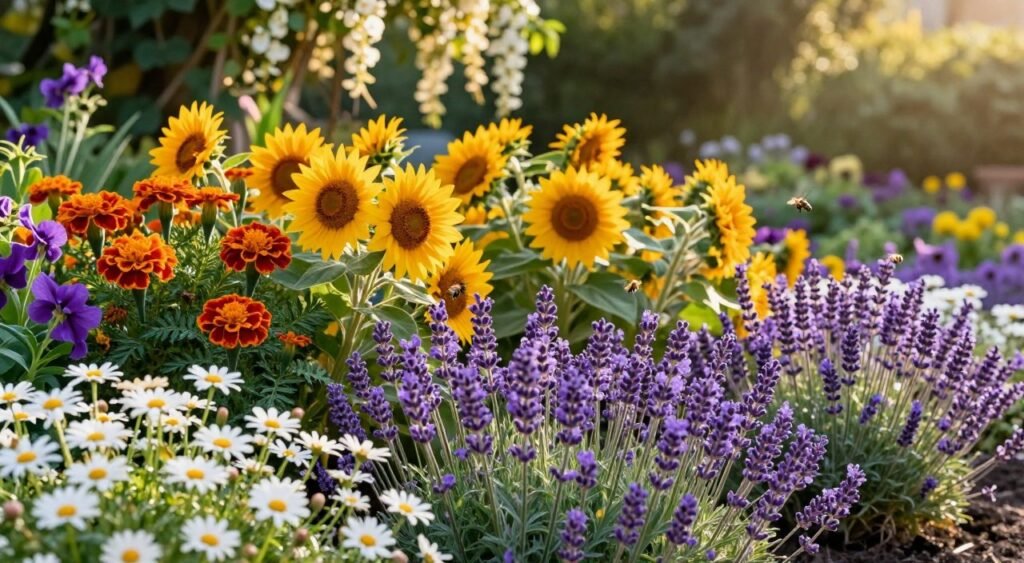
To keep bees and butterflies happy all year, make your garden bloom forever. A continuous bloom garden needs nectar and pollen from spring to autumn. Pick plants that bloom at different times to feed your pollinators all season.
Planning for Spring, Summer, and Fall
Good seasonal garden planning means no empty spots in your garden. Try to have three types of flowers blooming in each season. Spring bulbs help bees, and fall flowers help butterflies get ready to fly.
«The garden is a living tapestry that changes its colors and textures with the passing of the seasons, requiring a gardener’s foresight to remain vibrant.»
Group plants by when they bloom to spot any gaps. If your garden looks bare, add native plants that bloom then. This keeps your garden full of life and energy.
Deadheading Techniques to Encourage Reblooming
When your plants start to bloom, keep them going by deadheading. This means cutting off old flowers so the plant makes more buds. It keeps your continuous bloom garden going all summer.
To deadhead right, do this:
- Find flowers that are wilting or turning brown.
- Use sharp shears to cut the stem just above a healthy leaf.
- Don’t cut too much of the stem, or it might hurt the plant’s growth.
Deadheading makes your plants work harder for pollinators. It keeps your garden looking good and attracts more visitors.
Step Five: Providing Water and Shelter
To make a great home for bees and butterflies, you need more than flowers. They need water and safe places to rest and have babies. Adding these things makes your yard a complete, self-sustaining habitat.
Setting Up Bee Baths and Butterfly Puddlers
A good bee bath setup is key for keeping insects hydrated. Bees can’t swim in deep water. So, use a shallow basin with stones or marbles for them to land and drink safely.
For butterfly puddling, make a special spot with a shallow dish of sand or soil. Keep it moist for butterflies to get minerals and salts. Put it in a sunny, quiet spot for them to visit often.
Creating Nesting Sites and Overwintering Habitats
Your garden should also have safe places for bees and butterflies to make babies and hide from the weather. Many bees like to nest in soil or hollow stems. Leave some areas bare and avoid too much mulch.
Here are some tips for bee nesting sites and shelter:
- Leave hollow plant stalks standing to provide homes for stem-nesting bees.
- Install wooden nesting blocks with different hole sizes to attract many bee species.
- Make brush piles in a quiet corner for butterflies and other insects to hide in cold weather.
- Don’t clean up too much in the fall to keep overwintering larvae safe in leaf litter.
By adding these simple features, your garden will be a lively home for pollinators all year. Consistency is key to keeping a healthy population that will come back every season.
Avoiding Harmful Chemicals and Pesticides
Keeping your garden safe for bees and butterflies is easy. Just make smart choices. Many sprays harm the very insects you want to attract. By avoiding harmful chemicals, you make a safer place for them to live.
The Impact of Neonicotinoids on Pollinators
Neonicotinoids are bad for good insects. They get into plants, including the food bees eat. This makes bees and butterflies sick and weak.
Bees and butterflies bring these toxins back to their homes. This makes their whole group sick. It’s important to avoid these chemicals to keep your garden healthy.
Implementing Integrated Pest Management Strategies
Use integrated pest management to keep your garden healthy. This means stopping pests before they start. Use natural ways to control pests, like healthy soil and natural predators.
By using organic pest control, you help your garden. Start by knowing who the pests are. Then, see if they really need to be stopped. A balanced garden needs homes for good insects too.
Monitoring and Maintaining Your Pollinator Haven
Watching your garden closely is key to a thriving pollinator haven. By spending time there, you learn which flowers pollinators love most. This helps keep your garden a reliable food source.
Observing Pollinator Activity Patterns
Set aside time each week to watch bees and butterflies. See which plants they like best. This helps you know which plants to grow more of next year.
Keep a small journal to record your findings. If some areas are quiet, add more flowers or features. Regular checks help you make your garden better for pollinators.
Seasonal Maintenance Tasks for Garden Health
Doing specific tasks at the right time is crucial. It keeps plants healthy and safe for insects. A regular schedule makes caring for your garden easier.
| Season | Primary Task | Goal |
|---|---|---|
| Spring | Clear debris | Expose nesting sites |
| Summer | Deadheading | Extend bloom cycles |
| Fall | Leave stalks | Provide winter shelter |
| Winter | Planning | Improve future layouts |
Always think about your local pollinators when you work in your garden. By keeping up with pollinator habitat maintenance, you help your garden thrive. Your hard work turns a simple garden into a ecological sanctuary.
Conclusion
Creating a garden for bees and butterflies is rewarding. It helps a lot with keeping nature healthy. Your garden is a safe place for these important insects.
You can make your backyard a lively place. Every native plant you add helps the environment. Your efforts make the world a better place for pollinators.
Look at the life in your garden. You’ll see bees and butterflies visiting. Your hard work makes a big difference.
Share what you’ve done with your neighbors. It might inspire them to help too. Small changes can make a big difference in our world.