
Have you ever wondered why some plants do well in your yard? Others struggle. The answer is in how plants adapt to different places. Knowing how flowers adapt to different climates is key for gardeners.
Plants have special ways to handle extreme weather. They change how they grow and their cells to survive. Nature provides incredible strategies for plants to live in tough conditions.
By learning these natural ways, you can pick the right plants for your area. You’ll know which ones fit your local weather. This guide will help you learn resilient gardening in any place.
Understanding the Science of Botanical Adaptation
Botanical adaptation helps your flowers grow well, even when the weather is bad. By watching how plants live with their surroundings, we learn a lot. Knowing this is key for gardeners who want strong and lasting flower gardens.
Genetic Plasticity and Environmental Response
Plants are not the same all the time. They have genetic plasticity, which lets them change based on their environment. When you give them the right stuff, they grow in ways that help them survive.
For instance, a plant might grow bigger leaves or deeper roots if it’s dry. This helps the plant stay healthy, even when things change outside. Knowing about botanical adaptation lets you guess how your garden will do with the seasons.
The Role of Phenotypic Variation in Survival
Plants also use phenotypic variation to stay alive. This means different traits in the same species. These differences help a group of flowers make it through tough times.
If a cold snap comes, some plants might be better protected than others. This variety means some plants will always be able to make more. By having a diverse garden, you make a place that can handle almost anything.
Assessing Your Local Climate and Microclimates
Starting a garden is more than just buying seeds. You need to know your local environment first. This helps your flowers grow well.
Mapping Your Hardiness Zone
Knowing your climate is key to a good garden. The USDA has plant hardiness zones for the US. These zones help pick plants that can handle your winters.
Find your zone online. Then, pick plants that are hardy for your area. This avoids planting flowers that won’t do well.
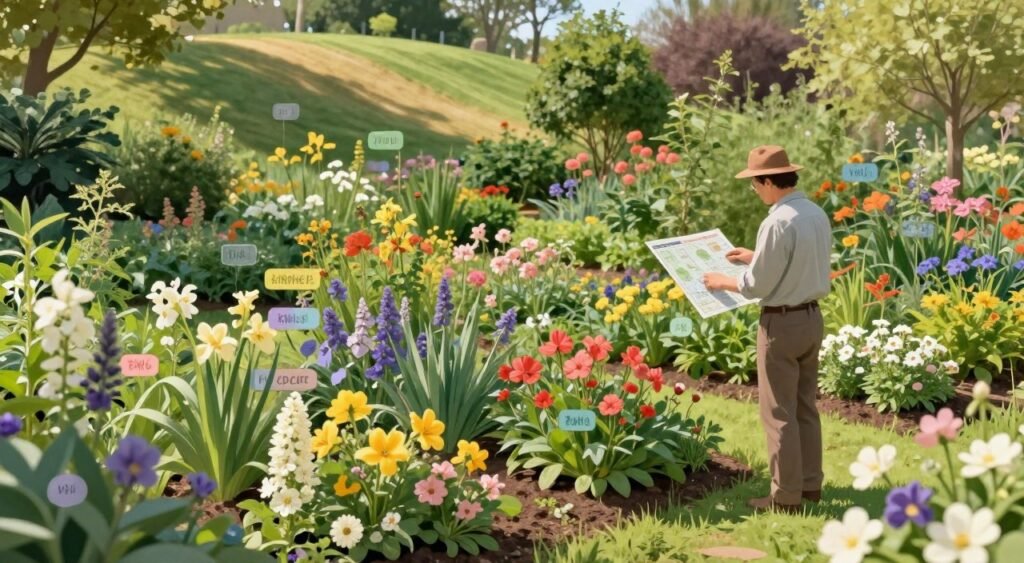
Identifying Microclimates in Your Backyard
Your yard has its own special spots, called microclimates. Microclimate gardening lets you use these spots to your advantage. Watch how the sun moves to place plants right.
Utilizing Walls and Fences for Heat Retention
Walls, fences, and houses can keep your garden warm. They soak up heat during the day and give it back at night. Use these spots for:
- Extending the growing season for warm flowers.
- Protecting sensitive plants from cold.
- Warming up for early spring flowers.
Managing Frost Pockets and Low-Lying Areas
Some parts of your yard might be colder. Cold air settles in low spots, making them frost pockets. Don’t plant delicate plants here.
Use these spots for plants that can handle cold. By knowing your yard, you can make your garden thrive. Strategic placement is the secret to a great garden.
How Flowers Adapt to Different Climates Through Morphological Changes
Learning how flowers adapt to different climates starts with their body shape. Plants change a lot to live in tough places. These changes help them survive where others can’t.
Leaf Structure Modifications for Water Conservation
In hot, dry places, plants must keep water to live. They grow thick, waxy leaves to keep water in. Some flowers have tiny hairs or shiny coatings to stay cool.
These changes protect plants from too much heat. By covering less surface, they keep moisture inside. This helps them stay wet even when it doesn’t rain for a long time.
Root System Development in Arid Environments
In dry areas, plants focus on finding water underground. They grow deep taproots to reach water deep in the soil. Others spread out to catch every bit of rain.
These roots help plants find water and stay strong. Without them, many flowers would dry out in the desert. Efficiency is key for these roots.
Stem Adaptations for Structural Integrity
Stems keep plants steady against strong winds or heavy snow. Through plant morphology, many flowers have strong, flexible stems. This keeps them from breaking in bad weather.
Some plants grow low to avoid strong winds. By staying close to the ground, they keep their flowers safe. These changes show how flowers adapt to different climates to live longer.
Selecting Resilient Plant Varieties for Your Region
Choosing the right plants is key to a beautiful garden. Pick plants that fit your local area well. This makes your garden healthy all year.
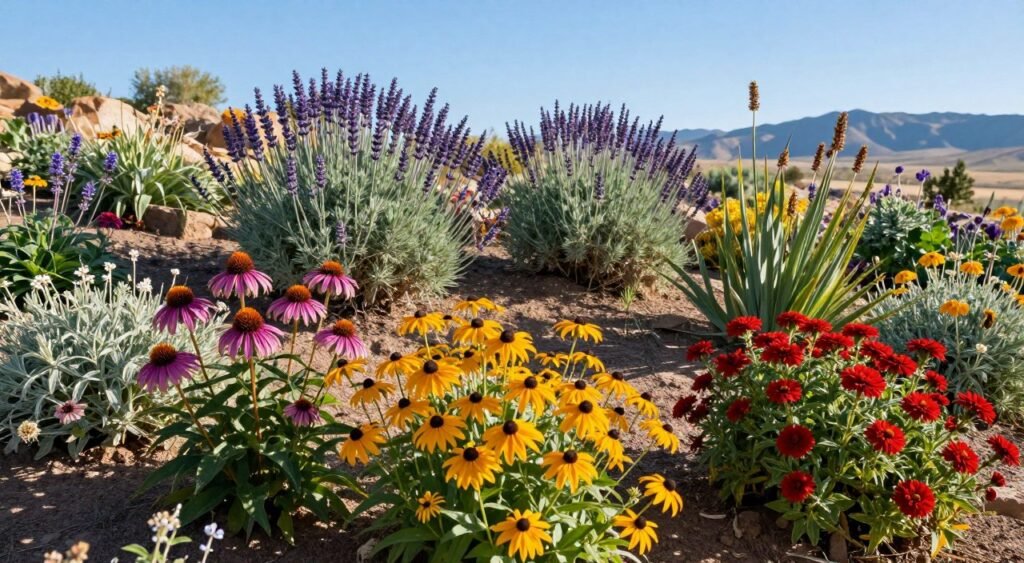
Researching Native Versus Non-Native Species
Start with native plant species for your garden. They fit your local weather and soil. They also help local bugs and need less water.
Non-native plants can look nice but need more care. Always check where a plant comes from before buying. Native plants have many benefits:
- They fight off local pests and diseases better.
- They need less care because they fit your area well.
- They help local animals and bugs.
Evaluating Drought-Tolerant Flower Varieties
For dry areas, pick drought-tolerant flowers. These plants keep water in during hot times. They stay pretty even when it’s dry.
Here’s a table to help pick plants for your area:
| Plant Category | Primary Benefit | Best Use Case |
|---|---|---|
| Native Species | High Ecosystem Support | Low-maintenance borders |
| Drought-Tolerant | Water Conservation | Xeriscaping and dry slopes |
| Cold-Hardy | Winter Survival | Northern climate landscapes |
Choosing Cold-Hardy Perennials for Harsh Winters
In cold areas, pick cold-hardy perennials. These plants can handle cold and come back every year. Choosing these plants saves you time and money.
Choose plants for your hardiness zone to survive cold. The right plants make your garden a lasting part of your home. Your garden will stay beautiful even in the coldest winters.
Step One: Preparing Your Soil for Climate Resilience
Healthy soil protects plants from harsh weather. It gives them the strength to grow well. This is key for climate-resilient gardening.
Testing Soil Composition and Drainage
Know your garden bed’s soil before planting. Start with a simple soil test. This shows pH levels and nutrients.
Check drainage by digging a hole and adding water. If water drains fast, your soil is sandy. If it stays, it’s clay. This helps choose the right plants.
Amending Soil to Improve Moisture Retention
After knowing your soil, start improving it. Add compost or aged manure to help water stay. This helps sandy soils and loosens clay.
Regularly adding these materials makes your soil like a sponge. It helps with climate-resilient gardening. Your plants will grow stronger and healthier.
Applying Mulch to Regulate Soil Temperature
Mulching protects roots from heat. Use wood chips or straw to keep soil cool. It also stops water from evaporating fast.
Mulch keeps soil moist by blocking sunlight. It also stops weeds. A two-to-three-inch layer is very helpful for your garden.
Step Two: Implementing Strategic Watering Techniques
Watering your garden right is key to keeping flowers bright and saving water. Sustainable watering helps your garden stay healthy, even when it’s hot or rainy. It’s all about managing moisture well.
Establishing Deep Watering Schedules
Deep, less frequent watering is better than shallow, daily watering. It makes roots grow deep, making plants stronger against drought. A strong root system protects plants from stress.
Here’s how to water well:
- Water in the morning to cut down on evaporation.
- Water slowly to soak the soil deep.
- Use a probe to check soil moisture before watering.
Utilizing Drip Irrigation for Efficiency
Drip irrigation is great for saving water. It waters the roots directly, cutting down on waste. It also keeps leaves dry, preventing diseases.
A drip irrigation kit saves you time and effort. It waters plants just right, without soaking the soil. This keeps your garden balanced.
Adjusting Watering Based on Seasonal Humidity
Your garden’s water needs change with the seasons. In summer, plants need more water to avoid wilting. But in humid times, they need less.
Watch the weather to adjust your watering. This way, you give your flowers just the right amount of water. It saves water and keeps your garden beautiful.
Step Three: Protecting Flowers from Extreme Weather Events
When nature gets tough, your flowers need help. Even tough plants can struggle with sudden weather changes. By taking steps ahead, you keep your garden bright and full of life, no matter the weather.
Installing Temporary Windbreaks and Shade Cloths
High winds can hurt your plants. Use burlap or lattice panels to block the wind. These act as a vital shield for your plants.
Too much sun can burn your plants. Shade cloths with 30% to 50% density help block UV rays. This keeps your plants cool and healthy.
Managing Heat Stress During Peak Summer
Heat stress makes plants wilt, even if the soil is wet. Water deeply in the morning. This helps plants stay hydrated all day.
Use organic mulch to keep roots cool. It stops water from evaporating too fast. If it’s very hot, mist your plants in the late afternoon.
Winterizing Sensitive Plants with Protective Covers
When it gets cold, protect your plants from frost. Use frost blankets or burlap. Don’t use plastic, as it can cause rot.
For small plants, use inverted buckets or cloches. Take them off when the sun comes out. Watch the weather to know when to cover your plants.
| Weather Threat | Protective Measure | Primary Benefit |
|---|---|---|
| High Winds | Burlap Windbreaks | Prevents stem breakage |
| Scorching Sun | Shade Cloths | Reduces leaf burn |
| Hard Frost | Frost Blankets | Maintains root warmth |
| Heat Waves | Organic Mulching | Regulates soil temperature |
Step Four: Managing Light Exposure for Optimal Growth
Learning about light is key to a great garden, no matter where you live. Sunlight is what your plants need to grow strong and bloom brightly. By watching how light moves, you can put your plants in the best spots for growth.
Understanding Sun Requirements for Different Climates
The sun’s strength changes a lot based on where you are and the season. In cooler places, plants need to be in the sunniest spots. But in warmer areas, the sun can be too strong for some plants.
It’s important to know how your area affects sunlight. Some plants love the soft morning light in cool places. But in hot places, they might get too hot. Always check what light your plants need to match your area.
«The sun is the lifeblood of the garden, but like all good things, it must be managed with wisdom and care to foster true beauty.»
Using Reflective Surfaces to Boost Light in Shady Spots
Even shady spots can have plants that need sunlight. You can use shiny surfaces to reflect light into these areas. Try using light-colored stones, white gravel, or shiny garden art.
This trick makes a brighter microclimate for your plants. It lets you grow more types of plants in shady spots. This way, you can use every bit of your garden space.
Mitigating Sunscald in High-Altitude Gardens
Gardening high up has its own challenges. The thin air means more UV rays, which can hurt plants. This can cause brown spots on stems and leaves.
To keep your plants safe, use lightweight shade cloths during the sunniest times. These filters let in enough light for plants to grow. This helps your plants stay healthy against the strong mountain sun.
Step Five: Monitoring and Adjusting for Seasonal Shifts
Mastering your garden means watching nature closely. Good gardening is about noticing and acting on changes through seasonal plant care. This keeps your plants healthy all year.
Tracking Phenological Changes in Your Garden
Phenology is studying when plants and animals change. Keep a journal for when plants bloom, leaves grow, and leaves fall in autumn. These natural markers show your local climate’s rhythm.
Tracking these changes helps you understand your garden’s unique needs. This knowledge lets you help your garden before problems start. Observing these patterns helps you meet your garden’s needs.
Adapting Maintenance Routines to Changing Weather Patterns
Your garden care must change with the seasons. Adjust your pruning, fertilizing, and weeding to match plant growth. Schedules don’t work if weather changes every year.
Good seasonal plant care means being flexible and quick. A warm spring means starting fertilization early. A late frost means waiting to prune. Watch closely to help your garden through every change.
Common Challenges in Climate-Specific Gardening
Every climate has its own challenges for your flower garden. Whether it’s hot or wet, knowing these threats helps. This way, you can keep your plants healthy.
Dealing with Pests Thriving in Warmer Climates
Warmer places have longer growing seasons. This lets bugs multiply fast. To manage pests, watch your plants for signs of bugs.
Look under leaves for pests. Early detection is key. If you see sticky spots or yellow leaves, use organic soaps or neem oil right away.
Preventing Fungal Diseases in Humid Environments
Moisture loves fungal diseases. In wet places, these diseases can harm your garden. To prevent this, water plants at the base, not from above.
This keeps leaves dry and stops spores. Also, make sure plants are far apart. This helps air move and moisture evaporate.
Advanced Techniques for Climate Adaptation
Learning climate-resilient gardening means going beyond simple care. It’s about using special plant science. This lets you grow plants that would normally struggle.
Cross-Breeding for Hardier Traits
Cross-breeding helps you grow plants that are better suited to your area. You look for plants that can handle heat, cold, or dryness well. Then, you help these traits spread to more plants.
This method is key for climate-resilient gardening. It lets you create plants that fit your local needs. Your garden will start to grow better, even when the weather changes.
Utilizing Greenhouse Structures for Controlled Environments
Greenhouses are great for growing rare or sensitive plants. They keep your plants safe from outside weather. You can control the temperature, humidity, and light inside.
A good greenhouse is vital for climate-resilient gardening in harsh areas. It lets you grow plants year-round. It’s a safe place for plants during bad weather.
Conclusion
Turning your outdoor space into a thriving garden needs both science and skill. You now know how to make your garden fit your local area’s needs.
Creating a landscape that can handle changes is rewarding. Watching how plants and soil react helps your garden grow strong. Every change you make helps your flowers get better at dealing with your area’s challenges.
Being patient is key as you get better at gardening. Your garden will get stronger with each season. This makes your backyard a place where nature thrives, no matter the weather.
Teach others in your community about gardening. Your work helps make the world greener and more beautiful. Enjoy seeing your garden grow into a natural wonder.